Working Together
Written by
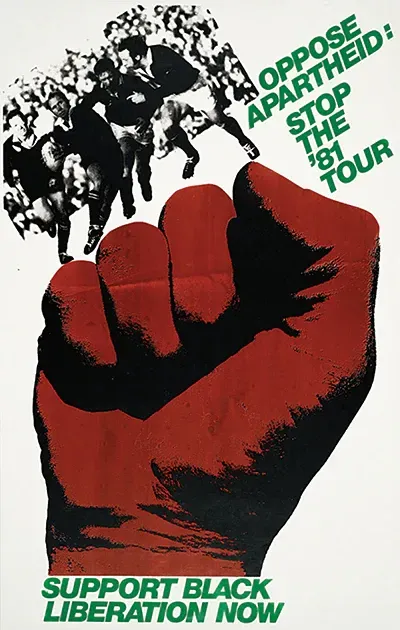
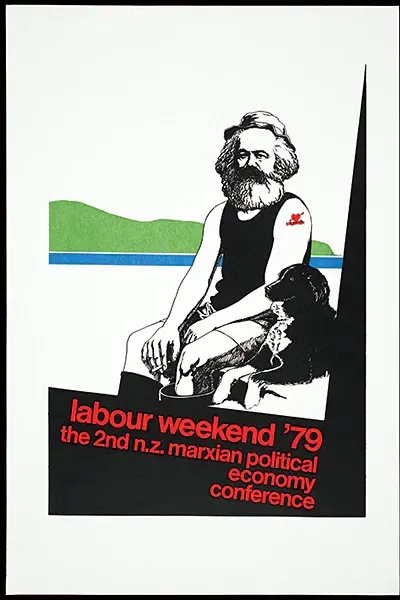
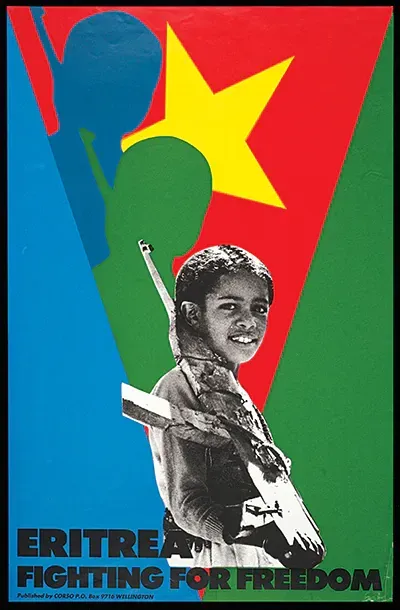
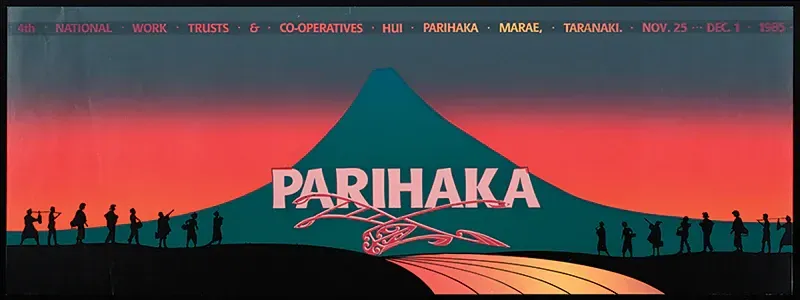
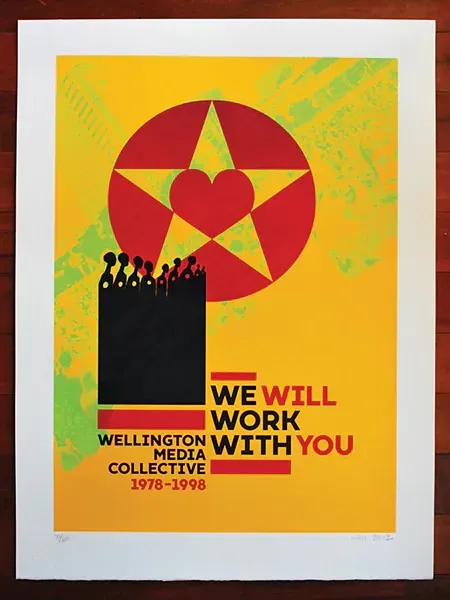
Mark Amery on the legacy of the Wellington Media Collective and how it has been picked up by publishing collective White Fungus.
* * *
Increasingly I wonder whether the artist as individual brand – be it a Warhol or McCahon – could be on the wane. That art expressing the individual, a cult of personality built around them, is increasingly out of step with our cultural need to work together and expressive collective vision. There is of course nothing new in this. We need only look to Maori for a tradition of collective excellence. In contemporary art collectives and collaborative ventures have been on the rise.
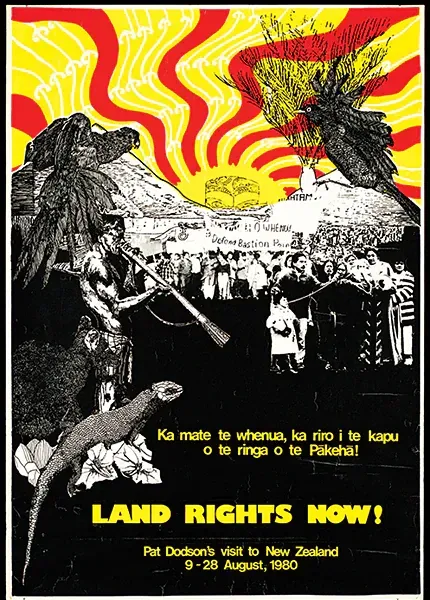
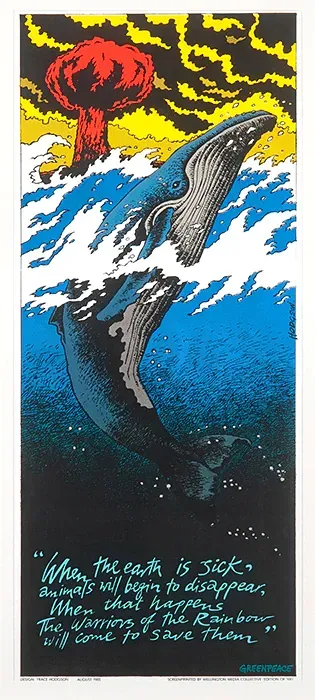
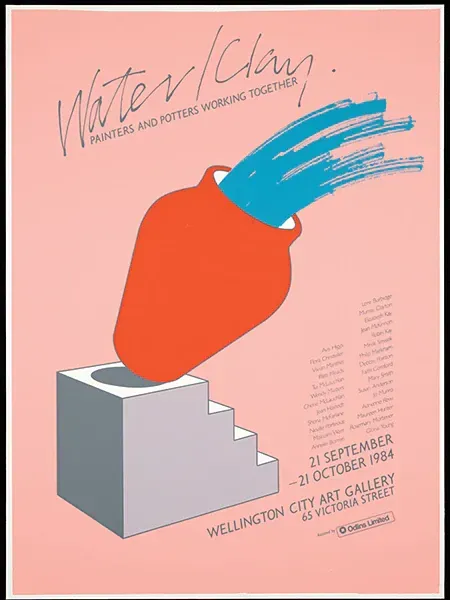
All this is reason enough for the Adam Art Gallery to hold an exhibition of the twenty years of work between 1978 and 1998 of design and communications company the Wellington Media Collective. Under director Tina Barton the gallery has keenly connected contemporary practise to its history.
Yet the extraordinary historical patchwork quilt picture of our city’s culture, politics and society the collective’s work provides would be enough for it to deserve City Gallery exhibition. Beautifully put together, the exhibition is a blast of your past for any Wellingtonian over the age of 20.
Seeing the collective’s work together – divided into its areas of deep influence: politics, activism and community and arts and culture - is to realise how much of the collected spirit of this city has been expressed by its public poster work. What seemed disparate spread over many years, here feels like it has a firm style about it - a love of play with type and text, and the folding and layering of imagery.
At the exhibition’s centre is a poster showing many hands working a keyboard. Below it is a quote from Keri Hulme’s The Bone People: “all together, they have become the heart and muscles and mind of something perilous and new, something strange and growing and great. Together, all together, they are the instruments of change.”
Echoing this, falling like a waterfall down the gallery’s highest wall is a roll of paper containing the names of the organisations the collective worked with. Like a roll call of honour, at its bottom on the ground has been placed one of the velvet wrapped ropes with hooks that you sometimes find running between stanchions dividing you from an artwork, or celebrities. It’s a cute, distractingly artful gesture but it drives the collective’s motivation home: to give the community access to the tools of the artist and to place the privilege with those groups it served.
The collective was established to provide the means of producing posters for groups needing to get their messages out there. It reminded me how progressively meeker we have become about expressing our voices in public. The collective provided a means to do this. Perhaps it is time for a new one.
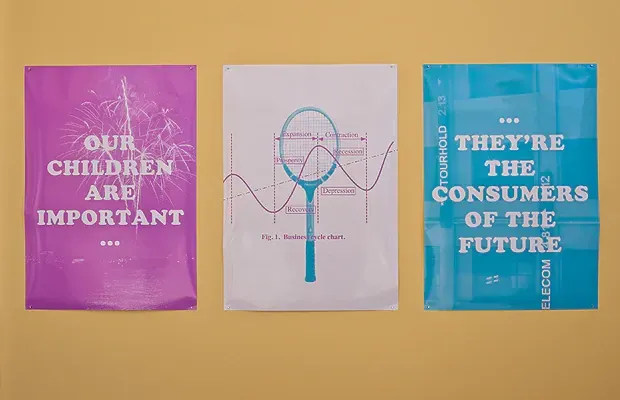
Accompanying the exhibition, publishing collective White Fungus provide a smart contemporary reply. Their project Consumers of the Future explores publicity as the all-persuasive medium of today: “a key terrain or battleground for art”. Few artists however have treated it as such (Tao Wells’ establishment of a PR company being one rare recent example). Comprised of a series of posters and a free publication, the project’s focus on the marketing of Wellington in the last ten years versus some of the city’s welfare realities is perfectly pitched. Yet the work feels not as sharp on this subject as it could be. It leans too much towards being another issue of the magazine rather than developing the series of strong posters it contains.
- We Will Work With You, Adam Art Gallery, until 10 February
- Not to be Missed
Now Las Vegas based, Couper’s witty, hyper-stimulated pairings of religious imagery and society’s contemporary pickle, using old narrative painting and cartooning styles are an overloaded feast.
Valley of the Dry Bones, Matt Couper, Mark Hutchins Gallery, until 24 November