Waiata Maori Awards
Written by
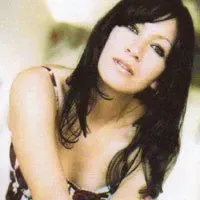
Taisha has won the Best Maori Female Solo Artist and the Best Maori Song for 'Karanga' at the inaugural Waiata Maori Awards. Taisha's debut album Aonua is an original blend of Maori and English using Polynesian instruments, vocals and native wildlife mixed with contemporary European sounds.
The awards, held at Hawkes Bay Opera House last week, honoured the achievements of traditional and contemporary Maori composers and performers.Taisha has won the Best Maori Female Solo Artist and the Best Maori Song for 'Karanga' at the inaugural Waiata Maori Awards. Taisha's debut album Aonua is an original blend of Maori and English using Polynesian instruments, vocals and native wildlife mixed with contemporary European sounds.
The awards, held at Hawkes Bay Opera House last week, honoured the achievements of traditional and contemporary Maori composers and performers.Tangiwai and George Ria were recognised for their Lifetime Contribution to Maori Music and the Keeper of Traditions was awarded to Dr Piri Sciascia. A Music Industry Award went to Moana Maniapoto and Rim D Paul and the Iconic Maori Music Composers Award - (Historical) to Princess Te Puea Herangi.
Ruia Aperahama (Tekau ma Rua - Rua Tekau ma Wha) was awarded the Best Maori Pop Artist and Songwriter, Tiki Taane won the Best Maori Male Solo Artist, Carol Storey Mokomoko won the Best Maori Traditional Album and Young Sid (The Truth) won the Best Maori Urban Artist.
Taisha - Best Maori Female Artist, Best Maori Song
As one of New Zealand's leading session singers, Taisha has done some work with some of the world's leading artists and musicians. Taisha has done two world tours performing the No. 1 Hit "How Bizarre" with "OMC". She also sung backing vocals on the "Dame Kiri Te Kanawa" album which has been released worldwide. In 2006, Taisha joined a leading line of other female singers Jackie Clarke, Susan Lynch and Tina Cross called the "Lady Killers" and more recently performed on "Dancing with the Stars" as the lead singer. Taisha has just released her first debut album "Aonua".
Aonua is a musical collaboration from the South Pacific Islands comprising vocalist Taisha and composer /producer Malcolm Smith. The album was recorded within a native New Zealand forest. Lyrically the tracks comprise of both Maori and English.
Young Sid - Best Maori Urban Artist
Having grown up in South Auckland, Young Sid is the charismatic member of Smashproof and is here to present his debut album "The Truth" which is an intrepid and tropical journey into the world of modern-day South Auckland. With an outstanding work ethic and dedication to perfecting his craft, "The Truth" is the product of Young Sid's visit to the home of Hip-Hop - NYC.Young Sid is no stranger to the grind and is a prolific writer with a great volume of quality material not yet heard by the general public. He is influenced by many local and international artists, which help him keep the grind mentality and the creativity flowing.
Tiki Taane - Best Maori Male Artist
Tiki Taane of Ngati Maniapoto descent was seen as the captivating front man for the successful band Salmonella Dub. After eleven years with Salmonella Dub it was January 2007 that Tiki Taane embarked on his solo artist career. In November 2007 Tiki released his debut album "Past Present Future". This album won the Best Roots Album in the recently held Vodafone NZ Music Awards for 2008. Known as the entrepreneur of Tikidub Productions, Tiki's talent is seen not only as being a musician, but also a producer, composer and audio engineer.
Carol Storey - Best Maori Traditional Album
Emerging songwriter Carol Storey is a singer, guitarist and educator based in Tauranga. Having released her debut album "Mokomoko" on local iwi radio, this is a tribute to her tipuna, mokomoko and her great-great-grandfather. "Mokomoko" is a response to the traumatic event of her great-great-grandfather who was wrongfully executed by the Crown in 1866. Carol was one of 3 finalists for the 2008 APRA Silver Scroll Maioha with her composition Kirikiri o te wa.
Ruia - Best Maori Pop Artist, Best Maori Songwriter
A gifted singer/songwriter comfortable in traditional or contemporary musical environments, Ruia is one of the few composers to emerge with such multi-dimensional musical gifts. Ruia's brand of music is a roots/world crossover sung in a Maori/English bilingual mix.Ruia has written, recorded and released songs as lead vocalist and composer with groups such as Southside of Bombay, penning the top five hit "What's the Time Mr Wolf" which achieved gold sales status, and highlighted in the famous Once Were Warriors feature. In late 2000, Ruia together with his twin brother Ranea was a nominated as a finalist in the NZ Music Industry's Tui Awards for their album "Whare Maori". In 2004 Ruia released his debut solo album "Hawaiki" which won the 2004 NZ Music Industry Award for Best Maori Album but this year he's here to bring his latest album 12:24
Moana Maniapoto - Music Industry
An individual, Maori, who has been active in the New Zealand music industry (i.e. in production, promotion, operations, management, etc.) who has, through their dedication to Maori music, made or presently makes a positive impact on Maori music.
Moana has consistently pushed the boundaries of Maori music in both her recordings and live performances, fusing taonga puoro, haka, chants with soul, reggae and classical 'to produce her own blend of traditional and contemporary styles without compromising either.' (New Zealand Herald, 2003).She draws on her identity as a Maori woman, with a background in traditional performing arts, to write songs that still manage to resonate with global audiences.Her first band Moana & the Moahunters played the New Orleans Jazz & Heritage Festival and the Vancouver Folk Festival. Their remake of the classic 'Black Pearl' shot them up the New Zealand charts, earning the band their first gold single.
Dr Piri Sciascia - Keeper of Traditions Award
This is an individual, who is or has been dedicated to the teaching of Maori culture in music.
Professor Piri Sciascia (Ngati Kahungunu, Kai Tahu, Ngati Raukawa) was raised in Porangahau, Central Hawkes Bay. His first Maori Club experience was as a junior member of the Waipawa Pastorate group attending Hui Topu during 1950's & 1960's. He went on to be educated at Te Aute College and Otago University where he was the leader and Kaikaea for both groups and composed small works for both Maori Clubs throughout 1960 - 1974. In 1969 Piri successfully auditioned for the New Zealand Maori Theatre Trust Company which toured Russia and Europe in 1970. He later performed with Te Arohanui (with Anaru Kohu as the leader) at their reunion, and Kia Ngawari of Korongota (with Tom Taurima as tutor).
Rim D Paul - Music Industry
An individual, Maori, who has been active in the New Zealand music industry (i.e. in production, promotion, operations, management, etc.) who has, through their dedication to Maori music, made or presently makes a positive impact on Maori music.
Tribal AffiliationsTe Arawa - Ngati Wahiao/Tuhourangi/Ngati Whakaue/Ngati Whakahemo/ Ngati Makino Mataatua - Ngati Pukeko/Ngati Awa/PatuwaiMusical Qualifications & Experience · Member of MAGA - Musical Arrangers Guild of Australasia - since 1967 · Member of APRA - Australasia Performing Rights Association - since 1989 · International entertainer, singer, musician, composer, arranger, recording & television performer since 1960 · National Maori Choir Musical Director, Choir master, Conductor, recording producer, lecturer 1989 to 2008 · Music composer & arranger of "Ka Awatea" the first complete Maori opera · Music composer & arranger of Showband Aotearoa Musical 2005, performed at Rotorua Boys High School Music Production, 2008 · Leader of Maori Showbands Hi-Quins and Quin Tikis - 1960's · Television and recording artist including the theme from the movie "Runaway" 1964 · Musical arranger for Sir Howard Morrison over 40 years · Musical arranger and choir conductor of the inaugural "Coca Cola Christmas in the Park 94/96"
Tangiwai Ria & George Ria - Lifetime Contribution to Maori Music Award
This is an individual who has dedicated a large part of their life and career to the promotion and development of Maori music in contemporary or traditional styles.
Tangiwai Ria and George Ria have been co-leaders of the Waihirere Cultural Club, Gisborne since 1984 and have continued the legacy of winning the National Kapa Haka competitions for the club for a record five times since the inception in 1972 - Rotorua (1972), Lower Hutt (1979), Whangarei (1988), Wellington (1998) and Auckland (2002). Given its strong community focus, the group takes its name from the small settlement Waihirere. The Waihirere community is based within the realm of the Te Aitanga A Mahaki tribe, in the Turanganui A Kiwa region.The group has represented New Zealand on numerous occasions, both nationally and internationally, and has also been a competitor at every national festival. Tangiwai and George follow in the giant footsteps of the earlier leaders of Waihirere - Kani Te Ua, Wiremu Kerekere, and Ngapo and Nen Wehi. Their group is over 50 years old. George believes kapa haka is an ideal discipline for young Maori. "There is camaraderie in being part of the group and learning about yourself through whakapapa.""Kapa haka is our environment, and any Maori can feel safe within it," says Tangiwai. "They can achieve within it, so they feel like achievers. It's one of the best vehicles for any Maori to feel a sense of well-being."
Princess Te Puea Herangi - Iconic Maori Music Composers Award - Historical
This is an individual that has composed a body of work in Te Reo Maori, from traditional & historical teachings in contemporary or traditional styles that has impacted on the development of Maori Music.
Te Puea Hèrangi was born at Whatiwhatihoe in the Waikato, a grand-daughter of the second Mà ori king, Tà whiao, and was educated in Mà ori beliefs, values, and culture. She was left motherless at fifteen and her imperious, headstrong nature led her away from her home. In 1911, however, she responded to Tà whiao's call to duty, and had her first taste of politics in an election campaign. Her leadership in the Kìngitanga movement thus became established, and she became determined to create a centre for the movement. She began farming at Mangatà whiri and, opposed to the introduction of conscription in 1917, opened her farm as a refuge for those who chose not to enlist. She recognised the importance of making the best possible use of Waikato land in order to rebuild both the mana and economic strength of her people, and her skills in organisation and her own hard physical work earned widespread respect. After the devastating influenza epidemic of 1918, she gathered up 100 orphaned children and founded the community at Ngà ruawahia now known as Tùrangawaewae. Hard physical work of draining and enriching the land was coupled with fund-raising for the centre, which flourished and became the vital heart for the Waikato people.Over many years Te Puea Hèrangi played a leading role in negotiating settlements for the confiscation of Waikato land, and achieved a measure of financial compensation which enabled her people to pursue economic and educational goals. She had grown up with poignant memories of the effects of war and land confiscation in the 1860s, but was committed to overcoming the alienation of her people. Her energy, creativity, discipline, and vision made her a distinguished leader.
It is the Mission of the Waiata Maori Awards to acknowledge and honour the keepers, teachers, promotors, creators and performers of Maori music; to continue to develop and promote the diversity of all Maori music; to showcase and celebrate the excellence of Maori music; to recognise the unique vision of Maori composers and musicians; and to enrich this rich cultural voice.
The Awards are open to all Maori composers. Entries close in June 2009 and all the details of how to enter can be found on the website www.waiatamaoriawards.co.nz
Sponsors
Ma te Reo & Te Reo Irirangi o Ngati Kahungunu, Ngati Paoa, Te Mangai Paho, NZ On Air, APRA, Te Puni Kokiri, NZ Music Commission.
19/11/08
ADVERTISEMENT