Underdressed to impress
Written by
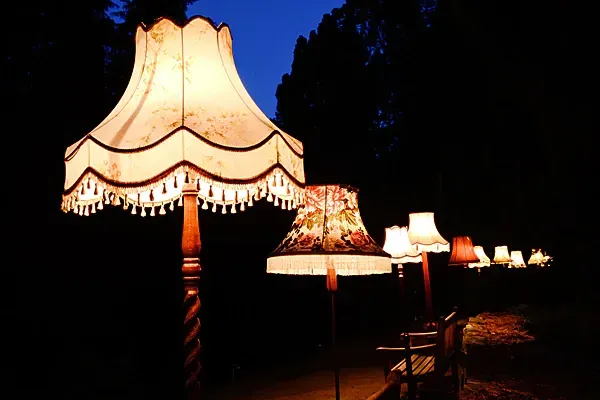
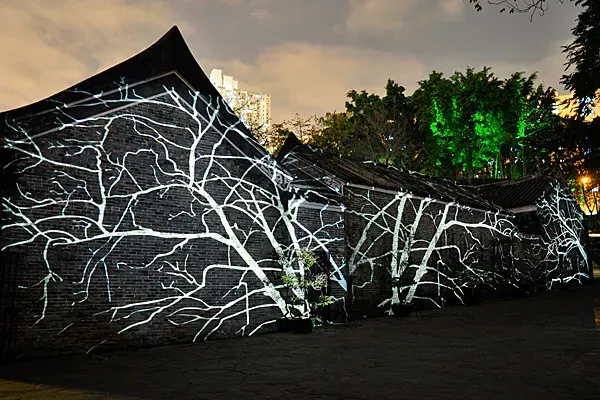
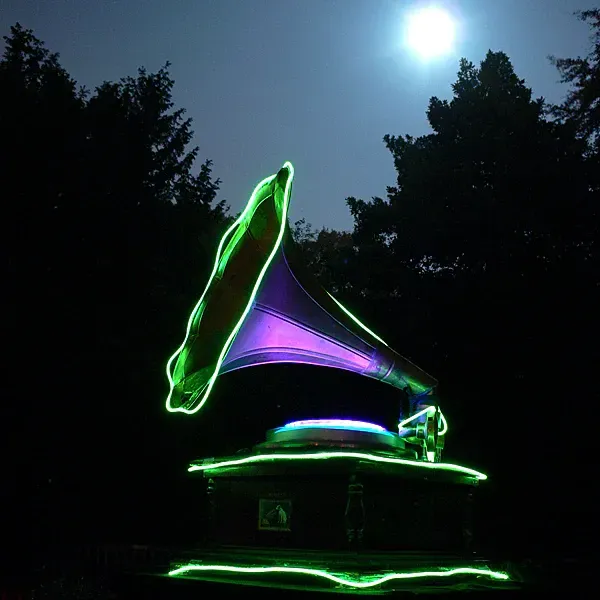
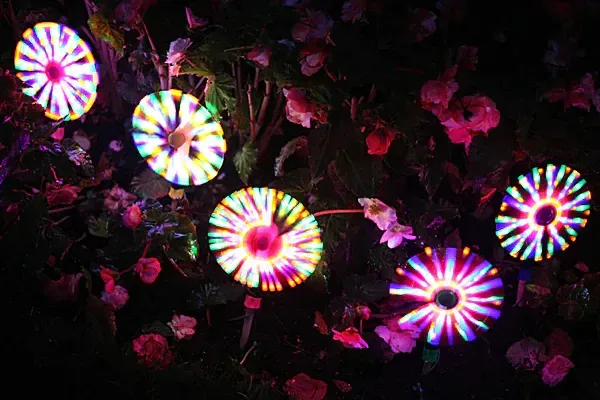
In his latest wanderings from the NZ Festival in Wellington, Mark Amery takes a trip through the Botanic Gardens for Power Plant (worth dipping into the family theme park fund), checks out Black Faggot and wades through the contemporary cultural crosscurrents of Paniora.
* * *
One of Wellington’s great pleasures is its Botanic Gardens. It’s the way their situation on a steep hill between Kelburn and Thorndon offers so many different aspects, areas and diverse experiences. A night time ramble to see the glow worms is magical in its own right.
It provides the perfect landscape for Power Plant, a work designed for a lit night-time experience of botanical gardens, here using everything from the lower ponds, soundshell and lawns to steep bush clad hillsides to spellbinding aural effect.
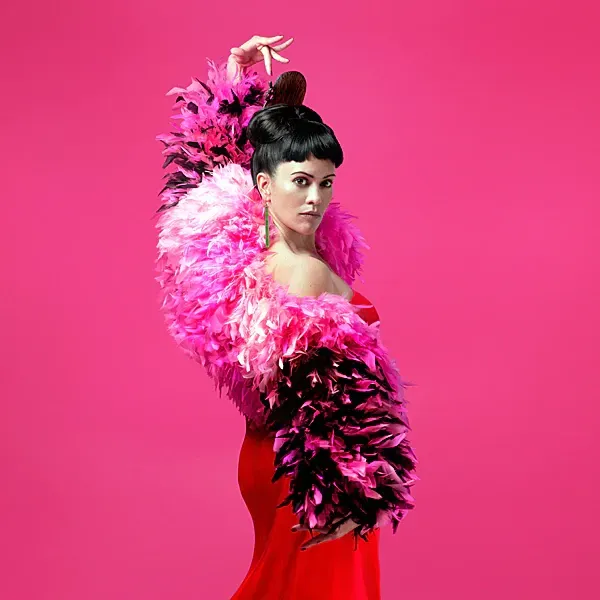
I attended a dress rehearsal on Thursday night. As a lover of sound sculpture I was dubious from the marketing imagery as to what the quality of this project would be like, but the artists provide an array of sound based works that are well placed or often slip beautifully into a natural setting, evoking insects and birds and playing sonically and tonally with the garden’s different levels and environments.
There are numerous trippy lighting experiences that avoid danceclub naffness, and an impressive pond based fire organ among the numerous innovative kinetic delights. Power Plant takes an army of people to manage and covers an impressive amount of terrain with a great deal of works, so be prepared to walk and stay out late (its not really for the smaller kids). The ticket prices may seem steep, but the resourcing is major compared to what you get for shelling out to go to the movies. Dip into that overseas theme park fund - this is an experience for families in particular that is really not to be missed.
The next night, Friday, Power Plant is due to open officially, and it’s bucketing down. One of those constant deluges where it feels like the rain’s been building up to it for weeks. I get drenched riding down from an opening of two arresting Paul Cullen sculptures at Massey University’s Engine Room gallery, but at least I’m not in the gardens tonight. Instead over a drink a friend and I bond over our dislike of theatre that is still full of inherited, pretentious yet empty, airs and graces: theatre that hasn’t located its own voice.
Thankfully the show we go on to see is an illustration of the antithesis. As bolshie as its name, Black Faggot struts out uproarious. It relishes not asking for theatrical acceptance. Instead, like so much good art, it excels by being completely itself. It joins a sweet line of intimate small plays with their own cultural vernacular that express distinctive New Zealand experiences: Skintight, Nga Pou Wahine, Krishnan’s Dairy, Bare and No.2 to name a few.
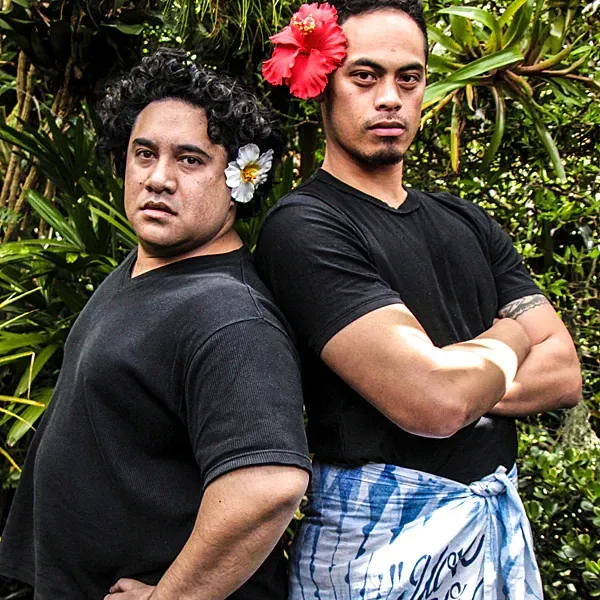
Black Faggot is so happily underdressed as a festival piece that that very lack of pretension becomes its bite as a piece of festival programming. Two actors on a bare stage dressed in loose hanging unstylish black shorts and T’s, a raw lighting design and no soundtrack, it revels in being unspectacular.
In voice the play not only expresses one writer, Victor Rodger, but in its expression of being male, gay and Samoan speaks back to the slang and dirty looks for all who have experienced the embarrassment, disappointment and awkwardness of being different.
At least, that’s the only way I can explain the magic of being part of an audience of what seemed predominantly well-heeled white elderly heterosexuals laughing their heads off at exclamations about semen stains and anal sex. Black Faggot stridently meets outrage with the outrageous, but coats it in humour.
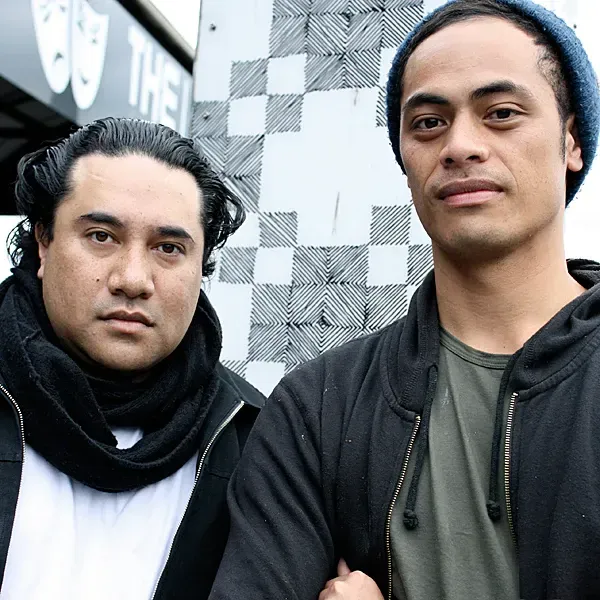
Rodger’s initial inspiration apparently were the Destiny Church ‘Enough is Enough’ anti-Gay marches, where he knew Gay in-the-closet sons would be marching with their parents. Beyond this firestarter, the play has no narrative, but succeeds by constantly pushing quick-fire dueling sketch comedy forward into its own emotional shape, which culminates in a son coming out to his mother. Change-a-minute fragments of exchanges bubble together, like a pot simmering on the stove, the sauce thickening over time. Our two actors Iaheto Ah Hi and Taofia Pelesasa hold us and play with us beautifully.
Black Faggot comes well run in after its premiere at last year’s Auckland Fringe. No such luck Paniora at Soundings Theatre. This theatre at Te Papa has a shallow raised stage that easily flattens dynamic work still finding its feet, and this was a production with its big script and marriage of theatre and dance that still felt unsure of itself. It will likely be far more persuasive by the time of its second season in Auckland later this month.
Set on an East Cape marae, Paniora written by Briar Grace-Smith teases out the contemporary cultural crosscurrents of feeling different but part of an iwi and culture. It focuses on the Paniora hapu, descendants of a Spanish whaler who married five Ngati Porou women (fiction extrapolated from a real Maori-Spanish) who are naturally proud of their unique heritage and culture. This is rich ground that Grace-Smith brings poetry, great humour and enormous heart to the telling of, with the focus on the forces swirling around the coming of age of a teenage girl (played with truth and emerging strength by Keporah Torrance).
Paniora is significant in bringing together Auckland Theatre Company and Okareka Dance Company in a bicultural marriage of form. Taiaroa Royal leads a young, strong group of dancers beautifully, with the movement created by Taane Mete giving form to the figurative carving of a wharenui, and representations of the spiritual world as inhabited in the figures of an owl and even a bull, in the penultimate bullfight.
And yet for much of the play, particularly the first half, movement feels under-utilised. The opportunity to create a dynamic artistic and cultural meld that arrests our emotions is not taken. Instead, the staging feels conservative, the dancers taking a chorus role more familiar to us from opera. Within this the cast with their diverse range of experience, felt like they were still finding their collective place, a little at sea still between the different styles and forms.
The Maori-Spanish mix is beautifully articulated in the choreography, Eden Mulholland’s stunning soundscapes and music and set designer Sean Coyle’s pou and evocative, swooping rusty water-race like ramp. At present these strong elements however feel like a muted backdrop, rather than something that might carry the narrative, drama and actors along. Early on the action feels weighed down and dense with the telling of a lot of back story, leaving much theatrically unrealised. The writing is beautiful in imagery and concepts but often static in its delivery, as if this were a television rather than stage work. It is only later as tensions build that theatre and dance elements start to entwine.
The play fits a narrative not dissimilar in range of characters and situations to Grace-Smith’s Purapurawhetu. It has yet however to find its own voice. It’s all there, but many of the characters with their strong complexities embodied need to be sharpened to avoid feeling like stereotypes. They need room to breathe, and choreography, set and other elements offer much potential to build on.