Tuakiri Huna - White Lies
Written by
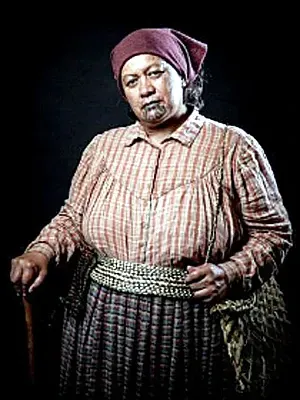
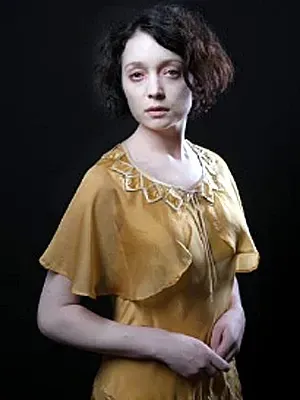
The release of New Zealand Film Tuakiri Huna - White Lies featuring te reo Maori coincides with Maori Language Week which begins on Monday July 1.
The release of New Zealand Film Tuakiri Huna - White Lies featuring te reo Maori coincides with Maori Language Week which begins on Monday July 1.
The theme for Maori Language Week 2013 is Nga Ingoa Maori, Maori names. This theme asks communities to consider important matters such as correct pronunciation, understanding the meaning of place-names, and using Maori names more often.
“Te Taura Whiri i te Reo Maori is stoked that this is the movie being released at the time of Te Wiki o te Reo Maori,” says Maori Language Commission Chief Executive Glenis Philip-Barbara. “This movie release is a major event at a time that hundreds of te reo activities will be occurring.”
A simple way you and your whanau could be involved with Te Wiki o te Reo Maori is to go to movies – it’s that easy! Seeing Tuakiri Huna (White Lies) on the big screen is a great way to interact with te reo Maori.
Tuakiri Huna (White Lies) is a story about the nature of identity: those who deny it and those who strive to protect it, based on the novella Medicine Woman by one of the New Zealand’s most prominent Maori writers Witi Ihimaera.
"People won't know that the road to the use of te reo in Tuakiri Huna (White Lies) was actually laid over ten years ago with Whale Rider," says Witi Ihimaera. "When the film was being marketed, John [Barnett] said to me that he wished he had taken the opportunity to have more te reo in the film. Whale Rider the Maori-language film boggles the imagination, doesn't it! Well, some eleven years later John, Dana and their Maori advisers have done it with Tuakiri Huna (White Lies) And who knows? This may be the year when Maori language in film goes international."
Tuakiri Huna (White Lies) sees Witi Ihimaera collaborating with Whale Rider Producer John Barnett again for the first time in 10 years. Barnett elaborates on the use of te reo in the film “This is a story set in a time and a place where the lead character and many of those around her only spoke te reo Maori. Apart from their interactions with Pakeha this is the world they inhabit. So the extensive usage of te reo in the film is essential as it takes us into that place and enables us to contrast the world of Te Urewera with the Pakeha world of the household where the story unfolds.”
New Zealand Maori recording artist Whirimako Black stars in her acting debut, alongside established local actresses Antonia Prebble (Outrageous Fortune, Blue Rose) and Rachel House (Boy, Whale Rider). Whirimako says “One of the key things that made me feel more at ease with taking on this role was that I speak Maori. It is my first language and more than 80 per cent of the film is in my language and my dialect. We’re often told that the Maori language is dying so for me to be able to present my language in an art form like this was a real privilege.”
This film was made by South Pacific Pictures in association with the New Zealand Film Commission.
Visit whiteliesthemovie to find out more about the film and to find a glossary of Maori terms used throughout the film.
Media Release: Trigger Marketing & Publicity