The real fairy godmother
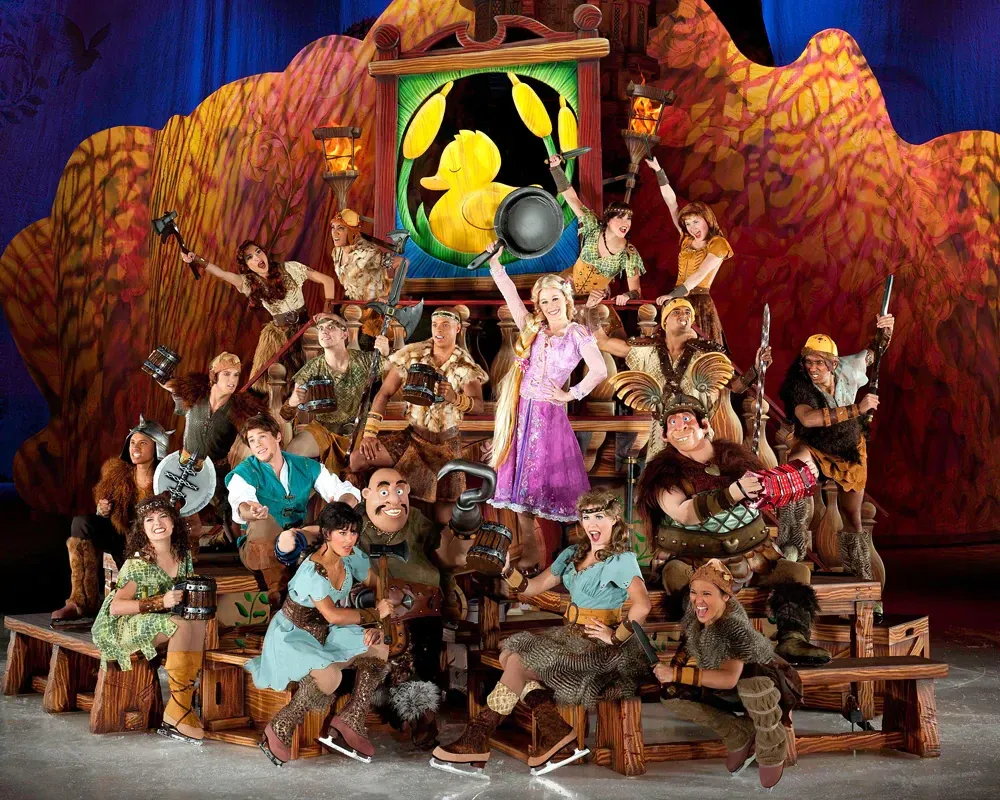



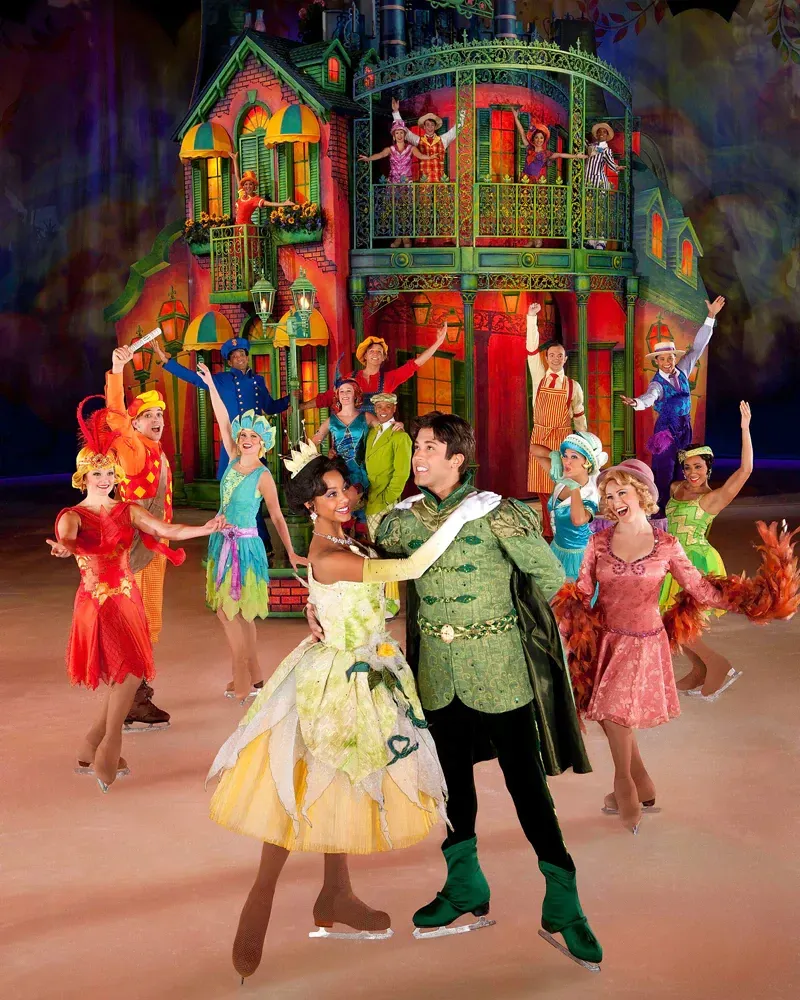
Lauren Nielsen is head of wardrobe for Disney On Ice, which is now delighting thousands of wand-waving Kiwi kids (and their parents) after an Australian tour. After starting out in fashion, Lauren began doing Disney shows, touring with shows for the last six years. Renee Liang asks her about life on the road – and the demands of working backstage on a blockbuster show.
What does a typical day entail for you? What time do you start and end?
When we arrive into a city, myself and 16 other crew folks head to the venue and unpack 16 sea containers. Then we set everything up. For my department, this entails setting up three washers and dryers, building around 20 heavy duty racks to hang the costumes on, unpacking all the costumes (over 180 complete costumes), and starting the washing and repairing of costumes. At the end of the week, we put all the costumes back into wooden crates and load all the containers once again. This process is called ‘load-out’ and usually takes four hours if we are moving quickly and the distances to push the crates is not too far. We usually have three shows on Saturdays and Sundays. Our day usually starts at 8am or 9 am and ends 12 hours later. We are very busy in the wardrobe department, so we only get to stop briefly for a quick lunch and dinner break.
What has been your toughest challenge during your professional career?
Some of the physical demands of working on crew have been hard, mostly the lack of sleep. However, I would say that working with so many different types of people is both the toughest and most rewarding part of my job.
Do you have much contact with locals when you travel? Do you use any local talent?
Some shows have a pre-show or a local host. This can often be dependent on what country we are in. This can range from having a local celebrity in the show to a local dance troupe opening our production. Otherwise, we also hire five local dressers for the show run. It is often interesting to work and ask questions with these folks about their local culture. Sometime I get to learn words in other languages. I usually try to learn ‘thank you’, ‘please’, and how to count to 10.
How long are you away from home at a time?
It depends on the tour. Sometimes four months, sometimes eight months. I am usually home for two months cumulatively throughout the year. Our schedule can change at any time though.
What have you learned by being on the road?
So many things! How to work with people (including language barriers and physical barriers as well), how to be flexible and work with whatever supplies or situational circumstances I may have, how to make any place my home, how to value time with my family, how to value the little things, how important it is not to judge someone who appears to be so different than you - so often you will find SO many things in common!
Who designs and makes the costumes? Do you have input into design?
Our shows are designed by East and West coast designers in the USA. These folks are mostly from L.A and NYC. Our shows are built at our headquarters in Florida and all these designers and seamstresses join us when putting a show together. It’s a very exciting time. I can offer input at this time, but most of my influence is seen once we are on the road. Sometimes designers aren’t familiar with the wear and tear of road life, and I can help alter costumes to work better once we are working with them everyday.
How long will a typical costume last on the road?
We have costumes on my current show, Dare to Dream that are four years old and we have costumes that are 10 years old. Our costume shop is wonderful about reconstructing costumes and helping us make them last. Whether or not a costume remains on the road actually has more to do with whether or not the character portrayed is still current. For instance, Lilo and Stitch has very specific costumes that cannot be reused very easily, however, courtiers that attend Cinderella’s ball in grand colorful ball-dresses can be used in many settings and stories.
What are the secrets of constructing a costume that will stand up to the rigors of performance (and won't smell?!)
Our older costumes are only dry-cleanable. This is difficult to work with, however they can also be the most grand in appearance. Our newer costumes use spandex and other stretchy materials, which is lighter and more comfortable for the skaters. Other newer costumes often use smarter structural techniques to create volume without weight. This can be achieved using polymers, horsehair, wire and newly developed interfacings. We aren’t just restricted to cotton muslin any more!
Sometimes we have to clean things with white vinegar and alcohol to combat smell and moldy situations. It is always a delicate balance of trying to keep the costumes clean vs protecting them for future use and longevity.
Can you tell us about the most unusual costume you've had to take care of?
In general, the more structural the costume, the more creative the measures of repair need to be. It’s always a hoot when you need to grab someone to put on a random animal part to make sure you are fixing it correctly. Crew boys love being models!
I'm intrigued that you are also a musician. Do you have time to nurture this while on tour?
This has always been difficult. I play the string bass, which is a large instrument of course. I just save it for playing when I am at home. Last spring I started playing the violin. We had my grandpa’s violin in the closet and I bought a lightweight case for it and take it everywhere. I practice in my hotel room and sometimes at the venue.
- Disney on Ice Dare to Dream is in Auckland, Wellington and Christchurch in July and August.