The long and the short of it
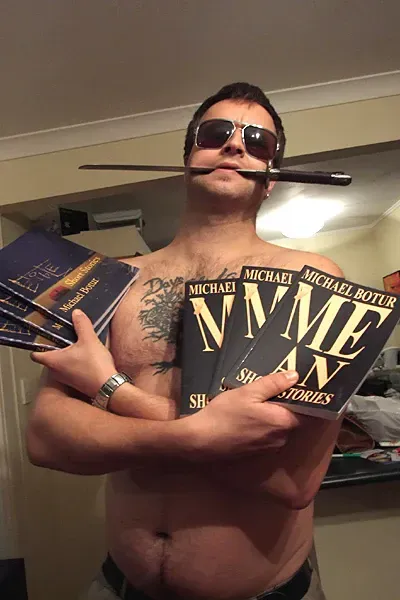
Renee Liang interviews fiction writer, performance poet and trainee journalist Michael Botur about his writing influences and becoming a family man.
* * *
Renee Liang interviews fiction writer, performance poet and trainee journalist Michael Botur about his writing influences and becoming a family man.
* * *
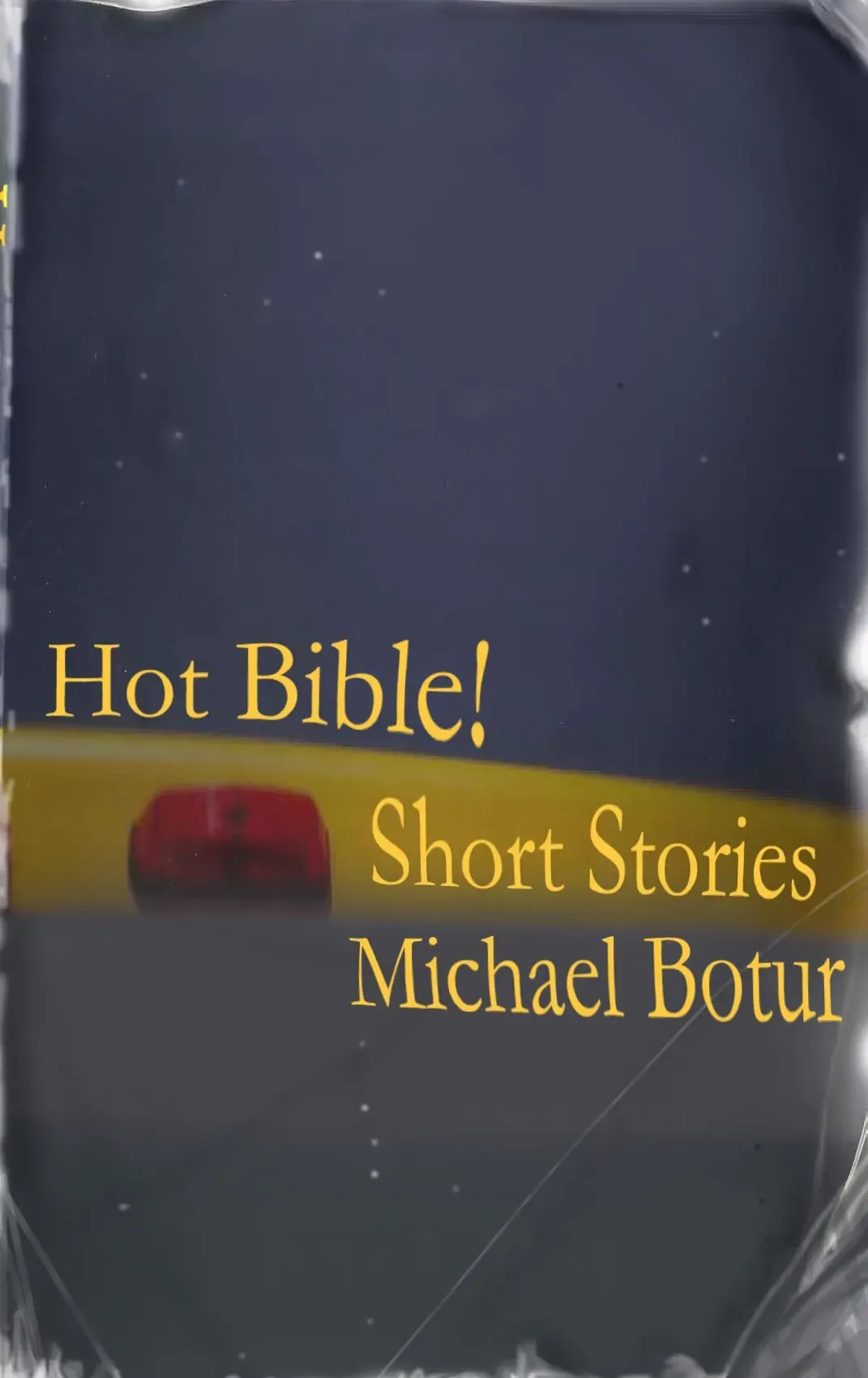
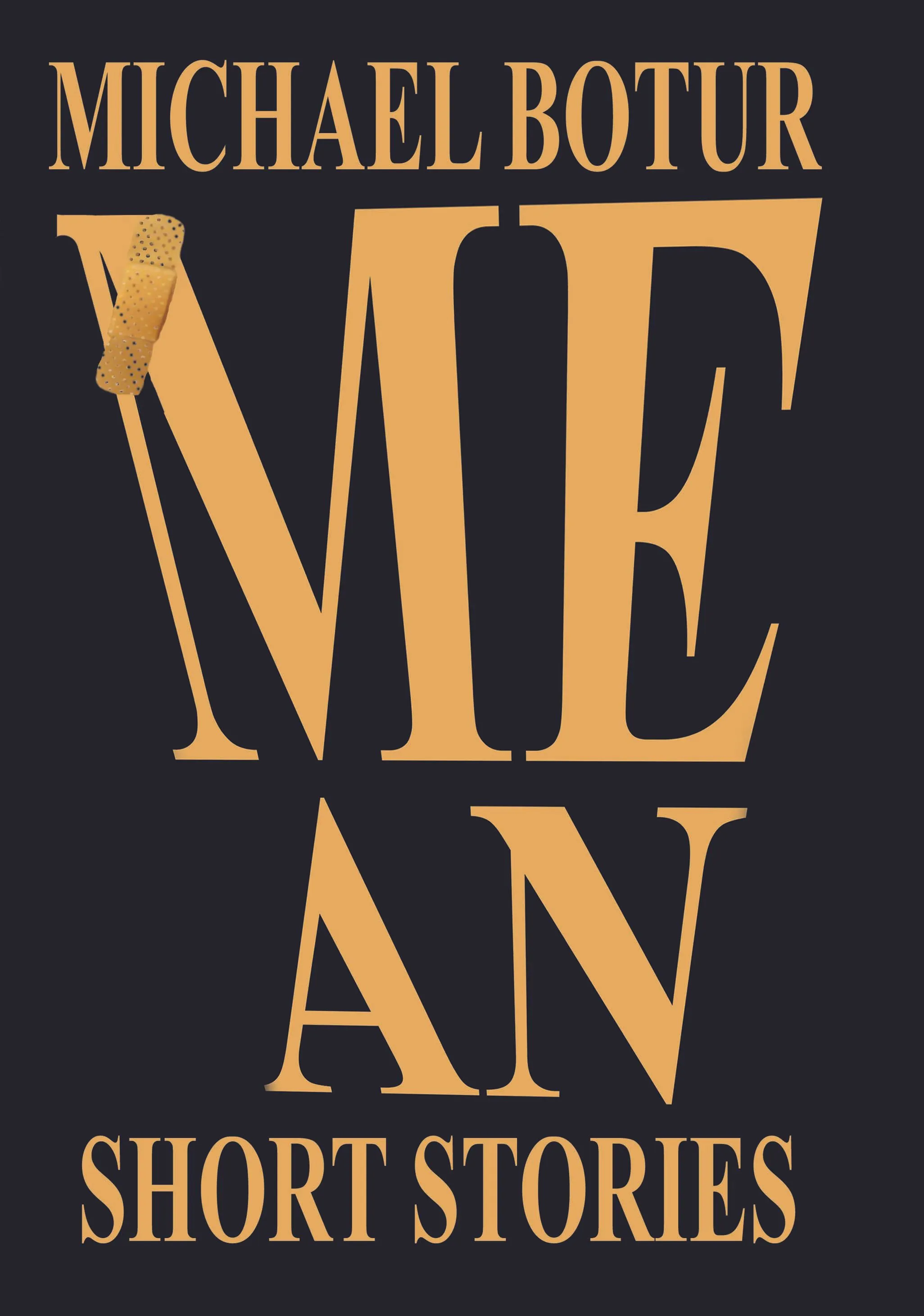
I’ve known Michael for years: we’ve both taken the stage frequently at Poetry Live in Auckland, and crossed paths at theatres and book launches. Now Michael is launching not one, but two short story collections: Hot Bible! (February) and Mean (November 2013.)
As Michael writes, ‘where in your local library would you find tales of Christian lesbians, hero hoodlums, sex addicts, girl gangstas, shapeshifters, swingers, troglodytes and the Apocalypse?’
How does a story catch your eye?
A lot of stories which come to me are mutated versions of real relationships which I have experienced or witnessed. Most often I base my stories on relationships between people, such as master/apprentice, bully/victim, idol/idoliser. There are lots of siblings, BFFs and couples in my stories. Usually I work on a two person dynamic. There isn’t room in short stories for more than, say, four characters. I take a relationship as the skeleton of the story, then paint in the details – the class of the characters, their location, their accent etc.
Describe your writing spot.
I write in the Fortress of Solitude. There is literally a sign on the door saying ‘Fortress of Solitude.’ It’s a tiny, tiny study the size of a prison cell. I’ve decorated it with pages ripped out of National Geographic, and some cool Marvel posters. It has a Secret Window – that’s a Stephen King reference. I have two monitors and two computers. One of the computers is an old bastard with no modem. Jonathan Franzen advised writers that the internet pollutes writing, and it’s absolutely true.
Like many, you've dabbled in many genres... what's your favourite and why?
My fave is literary short fiction – meaning that nothing too unrealistic happens to the characters. Sure, extremely odd and unfortunate things happen to my characters, but they have to be realistic.
My second favourite genre is Liquor-Noir. I wrote a detective story called A Case of Beer set in the boozy underworld. It was illustrated by this talented chick called Hayley Heartbreak, who you should Google right now. I do a lot of research into Liquor Noir, but I write Liquor Noir stories very rarely.
What's the best response you've ever had to your performance poetry?
I’ll never forget what (singer/songwriter) Marnie Prickett said to me after I performed this notorious poem I do about the Conquistadors. She said, “Mike, that was some next-level shit.” That meant a lot coming from someone as talented as her.
The real test for any poet is this: do the audience remember your poem five minutes after you’ve performed it? If they can’t remember a single phrase you used, your poem probably hasn’t been effective. Applause isn’t the measure of success; everyone gets applause.
Has having a family changed the way you write?
I have two wean-lings, Abe and Violet. They are the best thing that’s ever happened to me. Changing their nappies and reading them books about tractors has meant that I have less time to write, but they haven’t affected the content of the writing whatsoever. My mission is to bring a balance to NZ literature.
Too much writing published here expresses the voice of middle and upper-class people who have lots of security in their lives. A huge proportion of our country actually eats fried chicken, distrusts the police and educated people, smokes cigarettes and weed, uses racial slurs, relies on credit cards and loans from Stacey Jones, breaks the law, goes up in front of a judge now and again, says ‘yous’ and ‘arks,’ loses their driver licence, gets in fights, etc. I am not looking down on these people – I aim to honour ordinary people by expressing their concerns in my writing. Who else keeps it real? Alan Duff, yes, and Leanne Radojkovich, but not many other NZ writers.
Having said all this, I want to give a shout out to Charlotte Grimshaw for being the very best NZ short fiction writer. Her stories can get quite gritty, even though her characters typically live in Remuera, have a law degree and a bach, or they are the Prime Minister and they speak perfect English.
How do you squeeze writing in, between all the other things you do?
Recently I’ve been writing on the train on a tiny tiny laptop. For every ten story ideas I write down, only about three will get drafted, and then perhaps only one will become an edited, publishable story. Also, I use the microphone on my iPod whenever possible, to record ideas before they’re forgotten. Some story ideas I have jotted down won’t become full stories for another 20 years – but that’s okay. Stories need time to gestate. No story should be presented to the public after the first draft.
Why did you decide to write not one, but two books of short stories?
It’s not the way it looks. Hot Bible! was pretty much ready for release in 2012. Mean wasn’t ready until about July 2013. The stories in both collections date back as far as 2008. The titles and covers and spines are just to hold the stories together. The books don’t each have a different theme – in fact, I have arranged the stories so that the consistency is the same in each collection. After Hot Bible! I was carried away with momentum and it felt more important to give attention to the Mean stories instead of promoting one collection. For anyone who thinks that me releasing two books is some gimmick and that I’m writing too quickly: it’s not what it seems. These stories have years behind them.
What are you working on next?
I am training as a journalist and it’s f'n hard. Publishing journalism conflicts with fiction writing time, which is agonising for me. I’ve also launched a website to publish Tucker Max-style 99 per cent true stories about wild antics and morally dubious delinquent behaviour. Read it all at www.FirstWorldFuckups.tumblr.com
Buy my books on Amazon.com.
Did writing give you a choice?
I chose writing – for practical and artistic reasons. There is just enough space in the NZ writing scene for me to go at it seriously. The other path I wanted to go down was cartooning, and there are several reasons why I minimised cartooning and maximised writing fiction. One is the people in the scene: writers are more stimulating and interesting people than cartoonists.