The denial-of-diversity drama
Written by
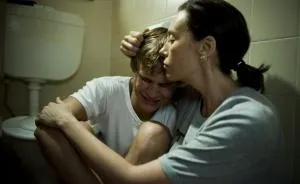
Philip Patston reflects on The Black Balloon movie as an example of how much drama we create in society and our individual lives, in respect to diversity, simply because of fear, denial and a failure to accept reality.
* * *
The Black Balloon (trailer below) is an Australian film about Thomas Mollison (Rhys Wakefield), who is turning 16. His autistic brother Charlie embarrasses him and so do his wacky parents. When his pregnant mother (Toni Collette) is confined to bed rest, he is put in charge of Charlie (Luke Ford) and with the help of his new girlfriend Jackie (Gemma Ward), Thomas faces his biggest challenge yet.
The Black Balloon is funny and ultimately heart-warming. It's a coming of age story about fitting in, discovering teenage love and accepting your family.
I loved this movie. I found it realistic in a raw, unapologetic way. The humour employed was a relief from the usual sickly sweet portrayal of disability in films. I thought Thomas' POV made an compelling narrative, charged by his range of emotions – from love and acceptance to anger an hatred – towards his brother.
The drama of denial
What struck me was how powerfully the characters' responses to Charlie's behaviour influenced the storyline. In fact the story was about others' fear, discomfort, embarrassment, trying to hide things, wanting things to be different etc, rather than Charlie having autism. If people had been open, honest, accepting, it would have been a very boring film!
It made me reflect on how much drama we create in society and individual lives, in respect to disability, simply because we do not accept the reality of our functional diversity. Everything that makes life difficult – from attitudes and inaccessible environments to "special" services and restrictive funding policies, exist because of a fear, denial and failure to accept diversity.
The drama around sexual, gender, cultural, religious and any other diversity is constructed in the same way — by an underlying fear that we will miss out, lose something or be wrong; and a denial that everything is natural and purposeful, even if it is not obvious to us.
Losing the drama
Fear is a dramatic emotion – ask any Hollywood director. It causes physical changes, creates adrenalin and shuts down our ability to think rationally and creatively.
It makes us a little bit stupid and can cause us to make unwise decisions.
I define wisdom using the mnemonic "R.E.A.L" – Reality Experienced After Love. I have found that when there is something causing conflict or fear on an individual or collective level, simply deciding to "love" whatever it is, rather than fear it, creates a powerful shift in consciousness that allows the conflict or problem to be accepted, explored and resolved.
So, that's your next diversity activity. Pick a problem, situation, issue or conflict, be it internal or external, individual or collective. "Decide" to love it for 24-hours. Then, explore it. See what's changed in your attitude. Notice what is similar and different, common and unique in your perception and understanding of the situation.