Teenage drama in iambic pentameter
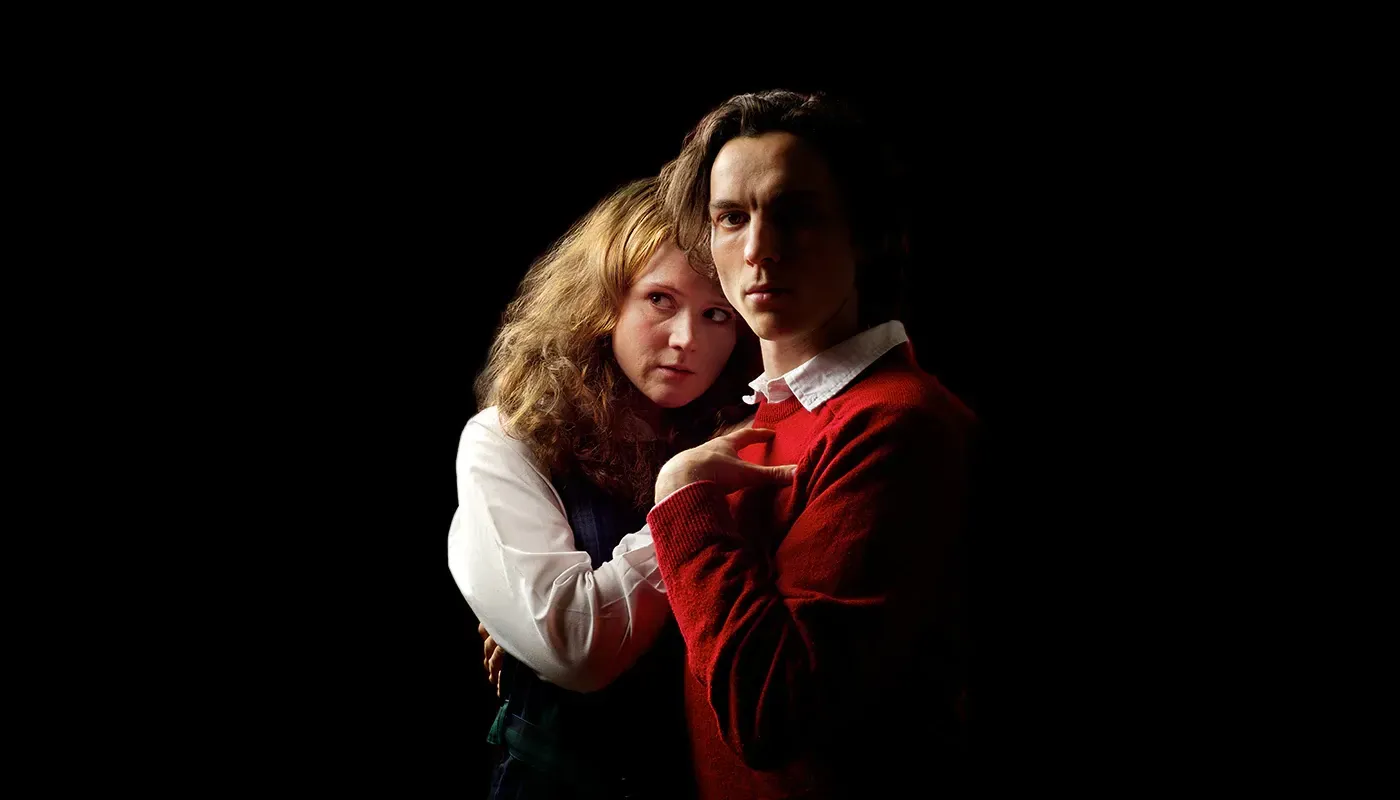
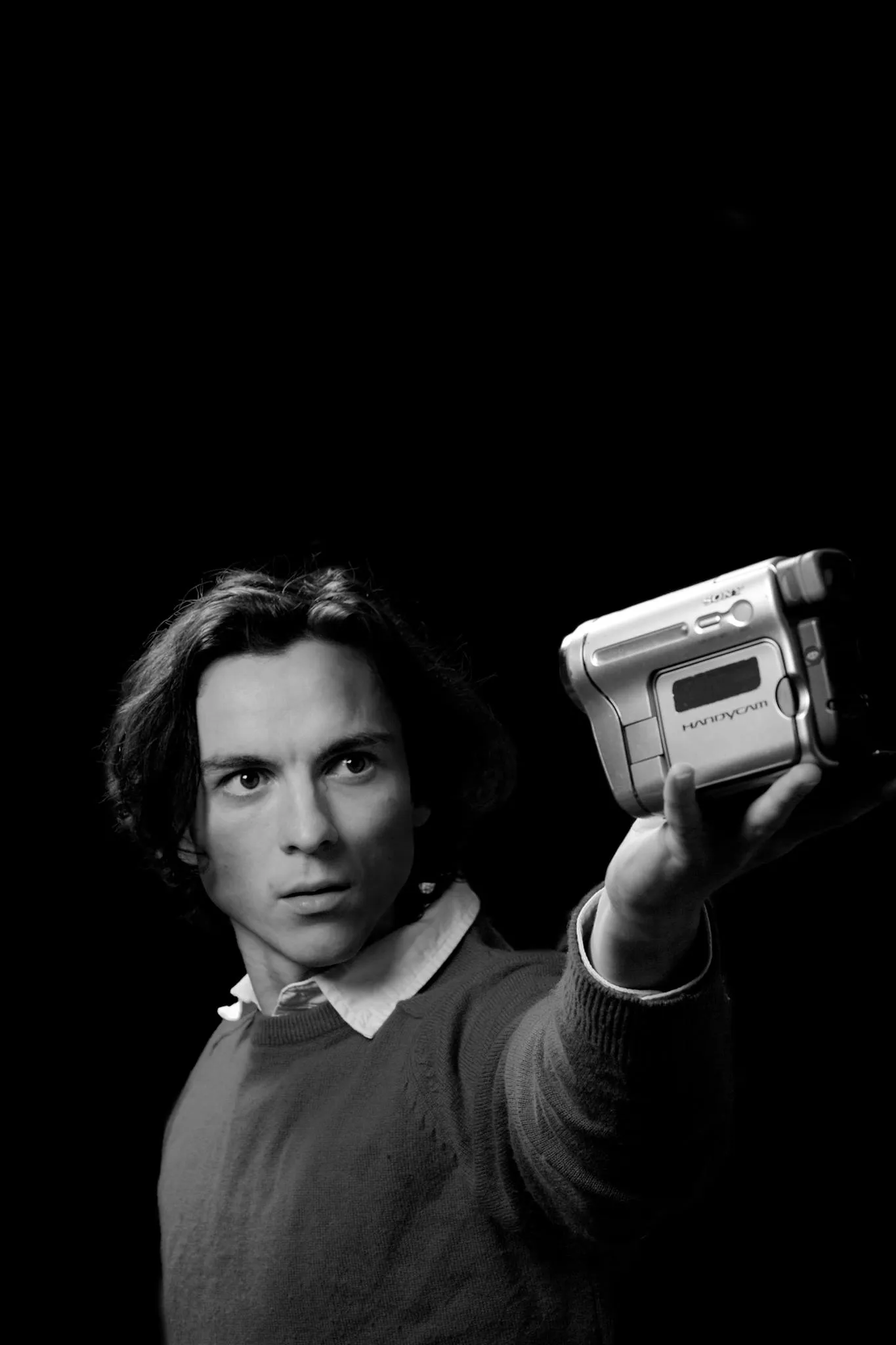
Thomus, a play written entirely in iambic pentameter, chronicles the life of a Kiwi boy in his final year of school at Onehunga High.
Shakespearean verse collides with teenage angst, David Lynch films and an original score composed by Tom Dennison and John Gibson. Renee Liang speaks to writer Ash Jones.
Why do you make theatre?
I only do what I am supposed to do. Move towards God. And that’s what my art is doing too. I am adding my voice to the great orchestral choir of existence. Moving our consciousness closer and closer to the one. I enjoy to create and I consider it a blessing. So when I pull things through from spirit into physical, I try to keep it as pure as possible. As far as theatre as the art form specifically, I guess, through my life I have gained skills and experience in that area. Also as opposed to something set in stone like film, it's a little closer to alive. It lives and dies each night. It is magic created by a group of magicians for the experiential benefit of those who witness it.
What inspired you to write Thomus?
I was acting in Titus Andronicus as Chiron and I had never played a bad guy before. Never played someone who commits such dark deeds. I didn’t know why someone might do things like the things Chiron does. So, I did a lot of work to find that character. One time at home I had worked myself into a real frenzy and started speaking this monologue that Thomus says later on in the show. I wrote it down. I liked its weird mix between shakespearean and modern speech. After watching Donnie Darko and The Beach I kept thinking about this monologue and why a character would get to that place where they would say those things. What makes a person commit terrible deeds in the name of, what for them is right. I grew up in Howick and I remember hearing about these random little crime stories in the local paper and stuff about young men who would break into old peoples houses (lots of elderly around Howick), and be there to rob the place, but end up beating these people quite severely. What would take a person to that position in which they could justify doing that? Can they justify doing that? At the same time I was wondering, in what world, in what kind of Auckland, would people speak like this?
Why is Shakespeare still relevant, and why did you choose this form to tell the life of an Onehunga schoolboy?
I’m sure fountains of ink have been spilled on the whole relevance thing. For me I think its because, for one, he wrote beautifully. But also, he understood how to imbue nearly all his characters with a strong human-ness. That’s the thing that transcends time and keeps us enjoying his stories. Now, the form isn’t Shakespeare’s, it’s just that it’s through him that the majority of us will come to experience iambic pentameter. Mainly, I just wrote a monologue once that was in kind’ve flowery language and it kept me interested. I thought, why not? Why not write in iambic?
Are you a poet? Did you find it hard to write in iambic pentameter?
Yes I’ve always enjoyed writing poetry. I'm a big fan of Hip Hop and Dancehall so rhythm and lyricism are in me. I just love words. How they sound when you put them together, the sudden satisfaction that comes from rhyming. The way certain illusive ideas can be held down and looked at for longer when the right words come together. And how one person’s thoughts can be shared more pristinely when the right words are added. I didn’t find it that hard to write in iambic. Its was like a sudoku. And I didn’t constrain myself, I was just doing it for fun. So if something didn’t work I just broke the rules!
Tell me about your cast.
Well they are beautiful and wonderful and extremely varied. They are very patient with me (I am a first time director). One of them was George from Shortland Street. Ollie makes me laugh every rehearsal without trying.
Why is there music in the piece, and how did you get the musicians together?
Well, music is pretty important for setting mood. It helps the actors too because they can get swept up in it just the same way the audience can. Well, one of them works at my house and the other one is my best mates Dad, so we just asked them and they said yeah pretty much.
Have you had any challenges in the production?
Yeah lots of little challenges along the way. I think my biggest challenge has been communication. This thing has been percolating in my noggin for ages now and to find a way to get the people who are working on it to understand where I’m coming from and why is the trickiest thing for me. I think I’ve always been one to just assume everyone knows everything I know so sometimes when things aren’t completely obvious to people I don’t realise straight away.
What will excite audiences about this work? Who have you made it for?
Umm I don’t think I’ve really made it for anyone. The play came out of me and now I’m just trying to be a good parent and to help it grow on it’s own the best I can. Critics will comment on the novel use of language for sure but I think audiences will enjoy the performances the most. And the atmosphere. And the lols. Everyone likes lols.
What are you working on next?
I’m really inspired by movement, so next up I’m gunna head in a sort of dance direction. I’m directing my friends solo show and creating a small one of my own. I also have plans to make a devised dance show that combines dancers and actors as well as a show about long distance relationships in the Fringe next year. Aside from theatre I make visual art so after Thomus I’m gunna get stuck into that again. Some of my work is up at The Basement Theatre at the moment and will be there throughout the season of Thom. If you wanna check out my stuff you can.
-
Thomus is on at The Basement from 30 August to 10 September 2016.