TBI Q&A: Pietra Brettkelly
Written by
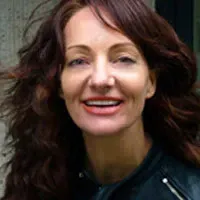
Filmmaker Pietra Brettkelly says her number one tip for surviving and thriving in the creative industries is "tell stories that affect you, that you can identify with, and then they will resonate with an audience. Also talk to every person you sit next to on a plane - you can never predict where your next inspiration will come from."
Pietra's passion for documentaries has taken her to far-flung places such as Libya, the Amazon, the Sudan and Afghanistan. She was in South Sudan making a documentary about the clearance of land mines when she met controversial artist Vanessa Beecroft, who then became the subject of Pietra's latest film The Art Star and the Sudanese Twins. The film, screening at the New Zealand International Film Festivals, follows Beecroft as she risks her marriage and career to adopt Sudanese twins.
Pietra says she faced enormous struggles making the documentary. "I haven't cried so much as I have in the last 2 1/2 years."What aspect of your creative practice gives you the biggest thrill?
Being out in the field filming, catching moments that are true and honest and unpredictable and being able to react to those moments - the beauty of documentary
Do you like to look at the big picture or focus on the details?
It depends on which stage of the production I'm at
What's your number one business tip for surviving (and thriving) in the creative industries?
Tell stories that affect you, that you can identify with, and then they will resonate with an audience. Also talk to every person you sit next to on a plane - you can never predict where your next inspiration will come from.
Which of your projects to date has given you the most satisfaction?
They have all represented different moments of my career with various satisfactions. for the most laughing ever - ENDS OF THE EARTH. For dinner party stories for life - BEAUTY WILL SAVE THE WORLD. For truly humbling honesty and trust from a subject - THE RESCUE OF IANI. For risks that did pay off - THE ART STAR AND THE SUDANESE TWINS
At what age did your passion for film making begin?
- Sue Wilde
It's hard to know though I grew up in a family of story-tellers. The Irish descent I think played a big part in that. And coming from a family of travellers, my mother's family coming straight out from Ireland, my father's family through England and then Bahrain for a number of years, an appreciation of other peoples and others worlds was instilled in me from a young age. I studied journalism as a 20 year old and then travelled for a number of years so was late starting in documentary making but it is definitely where my passion is now.
Having completed this documentary would you consider doing another 'portrait of an artist' style film again in the future?
- Kristina Heep
I don't see this film and certainly never launched into thinking it was a portrait of an artist. And I wouldn't hesitate to do such a film - in the end it is all about the subject and whether I can identify with and feel there is some purpose to telling the story
And I'm also wondering if you think that not being familiar with Beecroft and her work (before being chosen by her to make this documentary) had any effect on the way you approached making the documentary?
- Kristina Heep
Just to correct- Vanessa never 'chose' me to make this film. I approached her and she agreed. Most definitely my ignorance meant that I was coming from a position that some of my audience was coming from and therefore my approach was to ask lots of questions to try to understand her work. There were no assumptions with regards to any historical understanding of her work
How has the documentary been received internationally?
Incredibly well - check out the reviews online which have been quite over-whelming.
It has screened in competition at Edinburgh International Film Festival, Melbourne International Film Festival next week, Rio Film Festival in September and just been accepted for Locarno International Film Festival
What was Beecroft's response to the documentary?
Initially very supportive then wanted changes and asked me to film more sequences. I stood by my film though and though she has difficulty with some scenes she appreciates that I'm a fellow creative and it is my name on this project
What struggles and rewards did you encounter while making the documentary?
Enormous struggles - I haven't cried so much as I have in the last 2 1/2 years. Was continuously asking myself ethical, moral, financial questions
Who or what has inspired you recently?
Within my work, I'm continually inspired by other risk taking independent filmmakers who're not waiting or complaining about network commissioners and what they can't offer them, but rather just heading out and telling stories anyway.
If you could go back and choose a completely different career path to the one you've chosen, what would it be?
Wouldn't want to be doing anything else - except maybe a forensic pathologist but I was crap at science so would have failed
What place is always with you, wherever you go?
Ohope beach, where I grew up, the sand, the smell of the ocean, looking out each day to see what kind of mood whakaari (white island) is in.
What's the best way to listen to music, and why?
With friends, dancing at a live venue, feeling the music through the floor and through the enjoyment of others around you
What's the best stress relief advice you've ever been given?
Grab hold of a child's hand
What's great about today?
There will be sleep at the end of it!
More information
For screening details at the NZ International Film Festivals go to NZFF
17/07/08