TBI Q&A: Hap Cameron
Written by
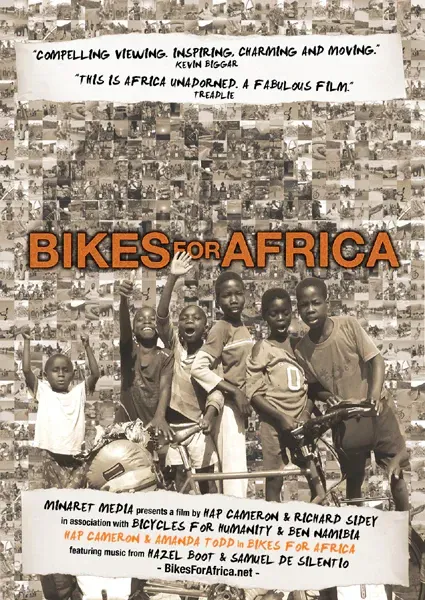
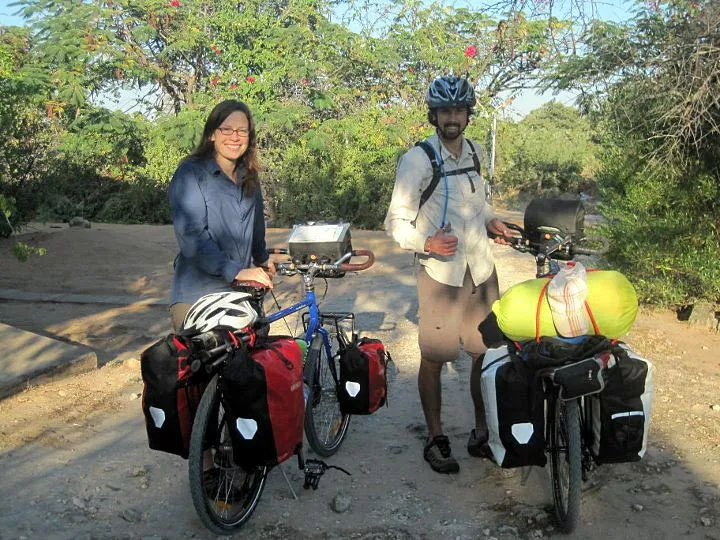
When Hap Cameron and his girlfriend Mandy planned to document their attempt to help implement a self-sustainable bike workshop in rural Namibia, they never imagined it would end up capturing their personal journey and lowest point of their relationship.
When Hap Cameron and his girlfriend Mandy planned to document their attempt to help implement a self-sustainable bike workshop in rural Namibia, they never imagined it would end up capturing their personal journey and lowest point of their relationship.
But Hap says these subplots, masterfully weaved into the main storyline by co-director Richard Sidey, created a complete package.
“The viewer gets to feel the elation, the heartbreak, the sorrow, the poverty, the adventure, the sadness, the beauty - they get to see the real Africa through the eyes of two real people, myself and Mandy.”
Bikes for Africa screens as part of the Documentary Edge Festival in Auckland and Wellington.
During what hours of the day do you feel most inspired?
First thing in the morning before the world around starts to wake up.
How would a good friend describe your aesthetic or style?
Honest, down to earth, real, funny.
What aspect of your creative practice gives you the biggest thrill?
I like to break down the facades that we can choose to hide behind and show that we all suffer the same problems and inadequacies, and of course try and a laugh along the way, having a laugh is important.
How does your environment affect your work?
I love the quote by Jim Rohn “You are the average of the 5 people you spend the most time with”. For me it is the people surrounding me that make up my environment, so if I’m surrounded by inspiring creative people then it keeps up my inspiration to be creative.
Do you like to look at the big picture or focus on the details?
Big picture for sure. For our documentary Bikes for Africa, I teamed up with talented NZ doco maker Richard Sidey. We complimented each other well as Richard is very detail oriented, has a fantastic editorial eye and organises the nuts and bolts extremely well and is just so damn efficient. Where as I get too bogged down in the little stuff.
What's your number one business tip for surviving (and thriving) in the creative industries?
Haha, I’m probably not the best person to ask, my book Hap Working the World was published last year in November and the first print run sold out in Australasia, I have a feature length documentary film, but I work for minimum wage in a cafe. So my business tip would be, have a secondary job to fund your creative endeavours until you can no longer work them both and then go full time on your creative buzz once you have the network and contacts built up around you. New Zealand is also a very small market, which gives you a great opportunity to get your skills and talent out there, and is a great practicing ground to hone your skills, but if you want to make a sustained living then unfortunately I think you have to widen your focus to the international arena of your field.
Which of your projects to date has given you the most satisfaction?
Having my book Hap Working the World published after 8.5 working 32 jobs on all the seven continents was very satisfying, as cheesy as it sounds it was a dream come true.
But I would have to say the completion of Bikes for Africa was extremely satisfying. The reason being because the whole project was funded by the donation of time, money and skills of friends, family and volunteers. Firstly there was the great effort of raising NZ$14,000 to send a shipping container of old bikes to Africa. But with regards to the film budget, we had none, co-director Richard Sidey and I relied solely on friends, for example talented musicians Hazel Hieghts and Samuel de Silentio allowed us to use their music. We had people volunteer to organise screenings of the film in their hometowns to raise money for the charities we showcased on the doco.
Who or what has inspired you recently?
The youth. I’ve been doing a lot of talks to the youth recently, and I find that I get as much from the talks as they do. I love the untainted optimism they possess, how anything is possible, they are full of dreams that haven’t been squashed by the limiting beliefs that seem emerge with age and integration into society.
Tell us a bit about your background.
I grew up in Nelson, very normal lucky childhood, lived in the same house and walked the same way to school until the completion of high school. I then went to Otago Uni, after graduating in 2002 I set myself the goal to live and work in every continent of the world before turning thirty, bearing in mind that my world travel experience to that date consisted of two trips to the Gold Coast, haha.
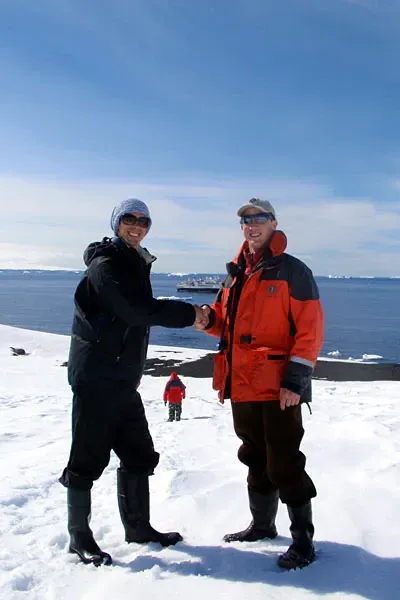
Fast forward to 2010, I had worked 6 out of the 7 continents with only Africa to go. For Africa I wanted to do work that had a positive impact, as some of my previous jobs included mining in Australia, oil rigs in Canada and cruise ship work in Antarctica.
I teamed up with the charity Bicycles for Humanity, the rest is in the doco.
Tell us a bit about your documentary
When co-director Richard Sidey, Mandy my girlfriend and I planned the documentary the sole purpose of it was to portray to the public the great work that the two wheeled charities of Bicycles for Humanity and Bicycling Empowerment Network, Namibia do. To show the process of setting up a sustainable bike workshop in Africa, from the collecting of donated old bikes in Melbourne, the raising of the money to get the shipping container of 400 bikes to Africa, then the training of the locals and implementing of the bike workshop in Namibia. And to show how someones old bike in the western world can be given a new life in Africa and show the social and economic benefit it gives the local community.
But what Richard and I didn’t foresee was the capturing of footage that portrayed the personal journey that Mandy and I went on, the lowest point of our 5 year relationship caught of camera, our cycling 2,500km unsupported through Southern Africa, the harsh reality of HIV/AIDS in rural Africa in which one of our team members loses his fight with it. For me it are these subplots that were caught on camera and Richard has masterfully weaved into the main storyline that make the documentary a complete package and engages the audience on a deeper level. The viewer gets to feel the elation, the heartbreak, the sorrow, the poverty, the adventure, the sadness, the beauty - they get to see the real Africa through the eyes of two real people, myself and Mandy.
Why is documentary important?
I love documentary because it portrays real characters. It’s not this “reality TV” scripted bollocks. Documentary is real people, real stories, it is life caught on camera.
I also see that documentary is a way for David to take on Goliath, all the little person needs is a camera and he can take on the corporations and organisations, to show the real story behind flashy billboards and marketing. Documentary creates awareness, most of all, Documentary is honest.
What do you think of the new documentary funding?
Bloody great, amazing opportunity to shed some light on New Zealand issues and unsung heroes and everyday kiwis. I just hope that they don’t try and incorporate “reality TV” under the umbrella of documentary. Would be a shame to see funding spent of another GC when there are social issues in New Zealand such as youth suicide, the shark finning in our waters, the plight of our waterways, the proposed tunnel linking Queenstown and Te Anau that would be great put the spot light. And also some positive stories, for a small country we have some amazing people, I’d love to hear the stories of kiwis doing great things
What else is needed to support documentaries in NZ?
Air time on national television. But I suppose that has to start with a demand from the viewer.
Tell us about your other upcoming projects.
No filming projects this year, I’m focusing on laying the foundations for my marriage, getting my book into the States and focusing on my passion of inspiring the youth through my talks.
What place is always with you, wherever you go?
Nelson, especially the Marlborough Sounds. I travelled to all the continents, but the Sounds hold a special place in my heart.
What's the best way to listen to music, and why
Live
You are given a piece of string, a stick and some fabric. What do you make?
I let a friend make something from it, that way it gives more meaning to it for me and will remind me of them and that time.
What's the best stress relief advice you've ever been given?
“Let go for a beer”
What’s great about the Documentary Edge Festival and Forum?
A great platform to showcase some amazing works get new ideas and issues out there.
What’s your big idea for 2013?
Unsure if it comes under a big idea, or if it even fits this questionnaire, but we need to stop telling the youth they “have to go to university”. It’s the worst possible advice you can give to a high school student. “oh, you don’t know what you want to, go to university”. Why? So you can get a big student loan, come away with a piece of paper in a subject that your not really into. Yes, go to university if you know what you want to do, study what you're passionate about, something you're curious about.
But don’t go to university because you think you “should” be going, because at the end of the day everyone has a degree these days, we are in time of huge education inflation. You’d be better off to go get some work, go overseas get some experience, whatever that be, go and do something that you want to do, explore what your strengths are, what you enjoy. Then once you have a better idea of what you enjoy, and you also have some money in your account from working, then go to university if your not already in your chosen job doing what you want.
Umm, got that off my chest, sorry. Just don’t see the point why we put so much emphasis on going to uni, the student loan is a big noose to have around your neck, and do you really know what you want to do when your 18?
- The Big Idea is proud to be a Media Partner for Documentary Edge Festival 2013.

This work is licensed under a Creative Commons Attribution-NonCommercial-NoDerivs 3.0 New Zealand License.