TBI Q&A: Ande Schurr
Written by
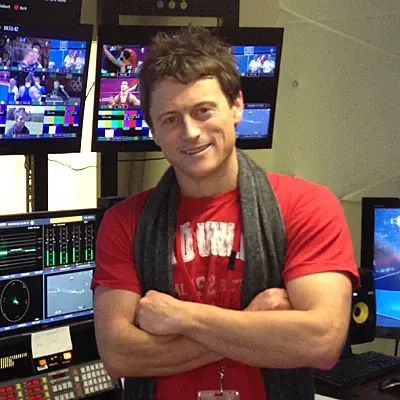
Ande Schurr came to our attention via our inbox with his regular newsletter for freelance sound recordists. Ande quickly took up the challenge to expand his series into 'How Freelancers Can Succeed' for a wider audience on The Big Idea.
With his mix of his lesson learned as a sound recordist for TV and film and wisdom garnered from his colleagues, mentors and peers - Ande is always looking for opportunities to talk to the people he gets to work with. He even scored an impromptu interview with Weta Workshop's boss Sir Richard Taylor during the Body Art Awards dress rehearsals!
As Ande said when we first started celebrating our 10th birthday in December - "The reason I started the column, 'How Freelancers Can Succeed', is because I wanted to challenge the notion of the artist or technician who lives by the skin of their teeth."
While Ande has willingly shared his professional journey over the years - we thought it would be nice to get to know him a bit more with the famous TBI QnA.
During what hours of the day do you feel most inspired?
Early morning and early evening.
How would a good friend describe your aesthetic or style?
Personable.
What aspect of your creative practice gives you the biggest thrill?
The biggest thrill is when the group of us filming are on the same wavelength as the director.
How does your environment affect your work?
Obviously noisy environments make my job more difficult if, in the script, the location is supposed to be quiet! So I carry a big stick with me and whack anything that is making too much noise!
Do you like to look at the big picture or focus on the details?
The big picture.
What's your number one business tip for surviving (and thriving) in the creative industries?
Become a specialist in your industry while still working across all its markets. As an example in my case, I would record the sound on commercials or feature films (hired by independent producers/directors), mix sound in a studio for the Olympic broadcast (hired by a TV station) and record a medical interview for a website podcast (hired by an advertising agency). That way, when one market (or format) in your industry is down, you get a ride on another market.
Which of your projects to date has given you the most satisfaction?
Honestly, as much as I enjoy the feature films and their organised chaos; it’s really the commercials and corporate videos that I am most satisfied with. The agency/corporate business dynamic fascinates me. I’ve just finished a job recording the discussions between heads of our largest companies as they try to decide which business should win the award for most innovative. Engrossing! So it’s the best of both worlds for me, doing what I have skills in which is sound recording yet working in the stimulating intellectual yet ever practical environment of business.
Who or what has inspired you recently?
Melanie Langlotz, general manager of Images and Sound. She is a proactive force for good. Not just for the post-production house she works for but for the film industry in general. She doesn’t seem to see limitation and she acts on what she observes. She noticed that there is not enough 3D/stereoscopic work happening in Auckland so she’s collaborating with local filmmakers to create a short film that shows off the technical and creative talent available in Auckland. Her goal is to raise a healthy short film budget through corporate sponsorship - she has already met some willing businesses with just a few days of trying behind her. As valuable as our funding bodies are, nothing beats the energy and big picture thinking of a producer who understands how to interest the corporate business world with their vision!
Tell us a bit about your background.
I have a degree in Education and a diploma in film which I got from South Seas in 2005. It was after this training that I had what might be termed an informal apprenticeship with well ‘the world’s fastest sound mixer’ Mike Westgate who helped me see that the sound recordist must be just as much at home on a documentary as on a large feature film. He remains a friend and mentor.
Tell us a bit about your recent and upcoming projects.
I have several documentary projects coming up along with TV series work. In one documentary example, we have already shot the interviews and will soon get stuck into dramatising certain positions of the story. I have ongoing TV commercial and corporate video work too. One notable commercial was with director Greg Page for the new Toyota 86 boy racer car. He’s among the craziest directors out there – so full of energy – yet that is what I think advertising agencies love, someone who can bring a child-like passion and enthusiasm to their brief.
If you could go back and choose a completely different career path to the one you've chosen, what would it be?
Concert Pianist.
What place is always with you, wherever you go?
The Taurarua rangers in the Manawatu where I grew up.
What's the best way to listen to music, and why?
When you’re doing nothing else. Just listening to the music, and perhaps watching the youtube clip too. Music deserves undivided attention rather than it seeping in through the cracks of a preoccupied mind!
You are given a piece of string, a stick and some fabric. What do you make?
I’d make a string instrument like a harp and use the fabric to sling it over my shoulder.
What's the best stress relief advice you've ever been given?
Each day empty the inbox.
What’s great about today?
I have some wonderful friends to talk to.
What’s your big idea for 2013?
To help freelancers find new and better ways of doing business, funding their projects and remaining optimistic in general.
* * * The Big Idea 10th Birthday Questions * * *
What does The Big Idea mean to you?
It’s given me the opportunity to find my writing voice, to express my opinions on freelancing, to open my mind as I’ve discovered other people’s perspectives.
What changes have you noticed in sound recording for film/TV in the past 10 years?
It’s become lighter and more mobile.
What are some of the opportunities and challenges for the next decade?
Creating a more generous and collaborative culture between creatives, technicians and corporate people.