Tales from familiar places
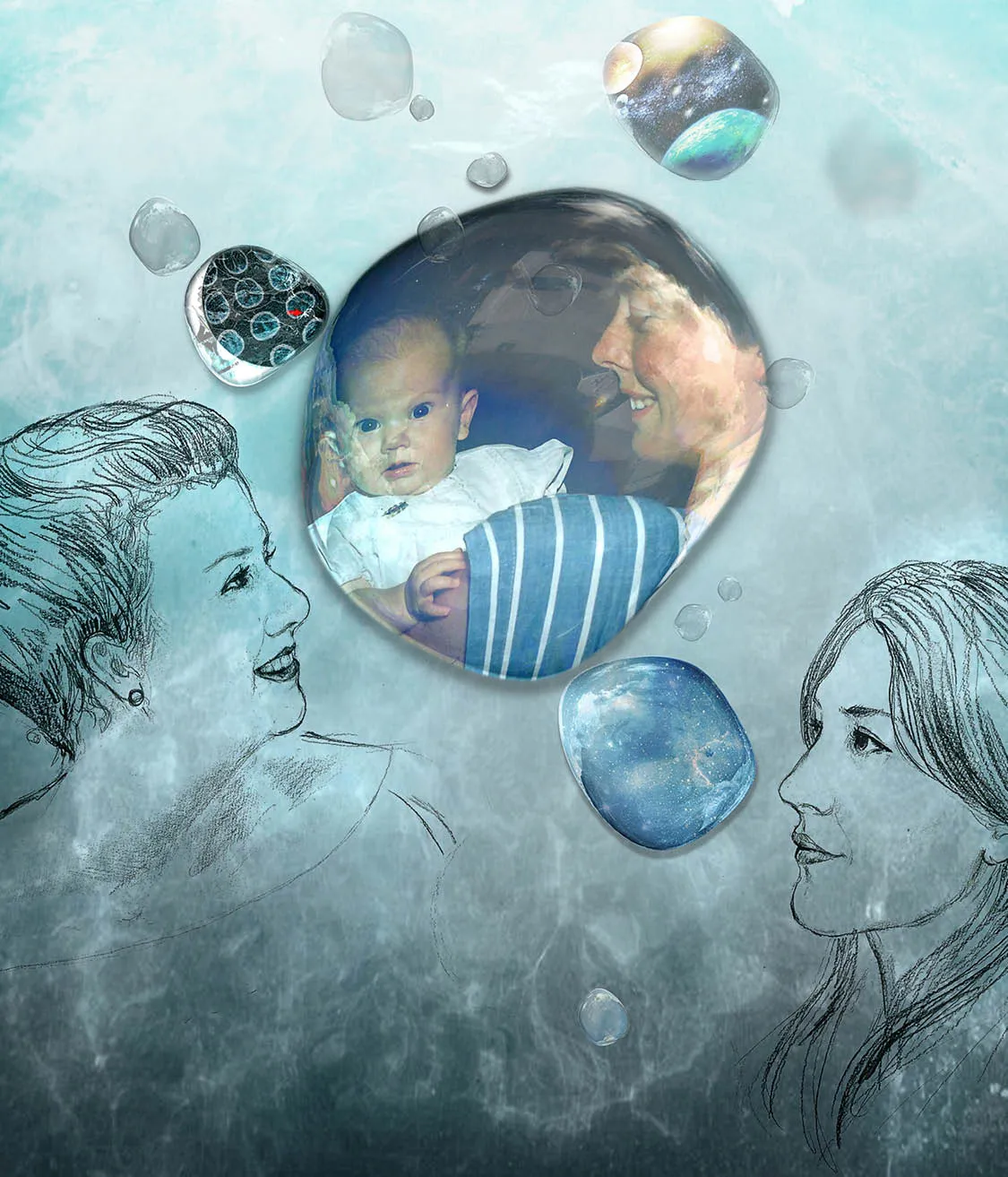
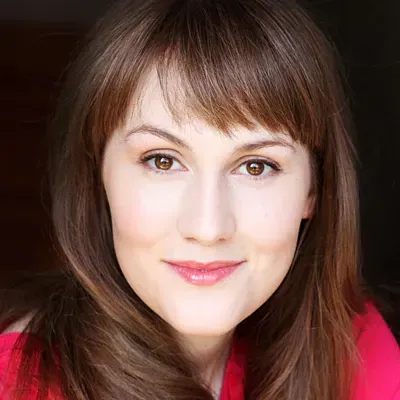
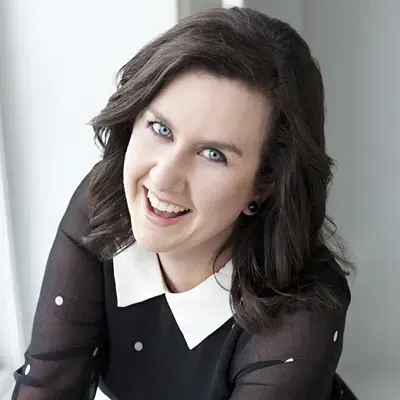
The Bare Hunt Collective is the creative partnership of Victoria Abbott and Jackie Shaw, who tell real stories in theatrical ways through the language of documentary theatre. Renee Liang talks to them about their craft, and their latest show Three.
* * *
Documentary theatre is a powerful medium, using theatrical conventions to tell stories which are presented in a non-fiction format. This can be taken to extremes – for example in verbatim work, where an actor will study the voice and mannerisms of the real person they are portraying in order to present as exact a replica as possible – in effect being that person’s avatar. Victoria Abbott and Jackie Shaw of Bare Hunt Collective have been exploring the boundaries of this technique. Three is their latest and possibly most personal show, and opens this week at The Basement in Auckland.
What is verbatim theatre and how is it different to 'conventional' theatre?
Vic: I think there's an instant weight lent to pieces crafted from true stories that opens audiences up in a really unique way. This is magnified even further when the words are directly relayed back. This isn't to say that weight means it's heavy either. We're really striving to find a balance and relationship between honesty and playfulness in this piece.
Jackie: Verbatim theatre calls on different skills as an actor. In any ‘conventional’ role, there is the room to use the imagination much more around characterisation, but with verbatim, because it is so important to pay justice to the person’s story, and to speak word for word, we have to really focus on the video interview and create the essence of that person, through voice, mannerisms. You end up feeling very close to someone, that in some cases you haven’t met face to face. It’s all about finding ‘key ins’ for each person you are representing.
Who, and what shows, have been influential in your work?
Jackie: Miranda Harcourt and her work Verbatim; Anna Deavere Smith's work; The Tectonic Theater Project and their show The Laramie Project; Alecky Blythe.
Tell us about your theatre collective and your work to date.
We're friends, which helps. We were first classmates in an Honours paper at Otago though, so you could say we met through documentary theatre. We both moved to Wellington and flatted together, and we decided to replicate the method we'd been working on at our honours paper, ethics and all, and that was our first show. We asked people to tell us two stories: one about a first time, and one about a last time. From that, Victoria crafted a show, and we got Pick of the Wellington Fringe and an extra season at Downstage.
Our second show was about Victoria’s native city, Christchurch, in the recent aftermath of the earthquakes. That was called MUNTED and it's toured to six spots in NZ. We've got a nationwide tour through ‘Arts on Tour’ in August this year too. And now we've got our third show, Three.
Jackie is our producer, Victoria is our writer and so far we've both been performers.
We like the minimal, the easily tour-able
We like unexpected tales from familiar places
We like ringing true
We like the hunt in the domestic and daily
We like sharing what people hold dear, important and what shapes them
Your newest work, Three, deals with the intertwining lives of three women - how did this come about?
Vic: We're trying a new way of working, which means utilising a workshop process rather than incubating our work until the finished product appears. That's a little scary, so we've been working with bringing in people in support roles. The last show was personal to Victoria and this show is personal to Jackie as well. It's one of those serendipitous things where a story, a woman really, just fell into place quite organically and the material gave us a backbone to explore the question 'how do you tell the story of a life?'
What's been the process of making this work?
Vic: A lot of drafts and tests. A lot of getting really attached to the ideas that have to get cut for the show to come alive. Basically it's trial and error in Jackie's garage or a rehearsal spot in town, grounded by a strong desire and belief in the stories we're telling, outside eyes and being really specific in writing for us as performers. It's also about bringing in people who have an 'in' to a quality we're trying to hit and getting them to essentially 'coach' us with the content.
Jackie: Lots of talking between Vic and me and as we get closer to the workshop season, making sure we really connect with each other, because that’s so important on stage, particularly in a two hander and a show of this type, to have each other’s back.
What's been the hardest part?
Vic: Editing. Distilling. Finding the essence of the piece from the bulk of ideas and raw material.
Jackie: Multitasking: learning how to take off the producer hat while in rehearsal has been hard for me. As any theatre practitioner knows, there are always a lot of things to manage when doing a show, that along with having to open up to an audience in a way I haven’t before, letting them in on a personal level and being vulnerable, feels risky and sometimes daunting, but in a way also rewarding.
Can you tell us about the ethics involved in this kind of work?
Vic: We have a huge ethics component, but we're beginning to balance this with the playfulness necessary to create a stand alone show, rather than a 'replica' piece.
How do you work with your musician, who will be creating the soundscape live during the show?
Vic: Te Aihe's a really talented musician, as well as being a sound whiz, so we're integrating sound through the whole piece. He's present and live in the space, a sort of third performer. We're pretty excited about it!