Taking prison art outside
Written by
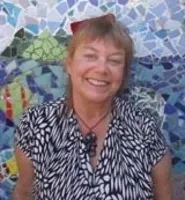
A dollar spent on an art class is an investment that returns dividends throughout society, says Nora West, who recently spoke at Auckland's Uxbridge Gallery about her experiences as a prison art tutor.
Her floor talk accompanied See what I Mean, an exhibition showcasing the work of 12 prisoners studying towards a diploma in art and creativity through the Learning Connexion. A dollar spent on an art class is an investment that returns dividends throughout society, says Nora West, who recently spoke at Auckland's Uxbridge Gallery about her experiences as a prison art tutor.
Her floor talk accompanied See what I Mean, an exhibition showcasing the work of 12 prisoners studying towards a diploma in art and creativity through the Learning Connexion."The classes don't cost much in terms of taxpayers' money," Nora says. "In fact, these students all take out loans to join the programme, which helps motivate them to take it seriously and to complete the course."
In her talk, Nora said that art in prison was still seen by some sectors of society as a privilege that prisoners didn't deserve; a play activity that would not assist re-integration into the workforce on leaving prison.
"It is certainly a privilege to come to art classes but it is also hard work - much harder than watching TV, which is freely available in prison. Watching TV is passive, while choosing images and techniques to use to illustrate a theme is actively constructing something. It is really hard work to develop a whole new mindset, one of exercising choice - "
Nora told her audience that art teaching involved making a safe space for students where they could dare to put down their own ideas and images, without fear of criticism and rebuke.
"Coming to art as an adult, especially but not only, in the prison environment, involves overcoming a lifetime of negative input. In our modern society, with photo-perfect unattainable images on every billboard and TV screen, it is easy to overlook the beauty of children's art, of the homemade, of traditional patterns in tattoo and carving; and yet it is often from these sources that our cultural identity is forged."
She also discussed the value of art classes in re-integrating ex-offenders into society and the outside workforce.
"For prisoners, whose lack of education has often contributed to their arrival into the prison system, their time inside can be the first occasion they have had the leisure to spend time on themselves, and the first space where they can feel safe from harm. This is especially true for women and it is often their best chance ever to spend a while on self-discovery, and on acquiring the tools to express themselves.
"Environmentalists tell us that every dollar spent saves ten dollars down the line in terms of saving the planet. I believe the same applies in terms of preventing crime escalation in society. A dollar spent on an art class is an investment that returns dividends throughout society.
"The value of hosting a professional exhibition of these works is huge. The Uxbridge Centre is to be praised for its vision in including this show in its calendar. It has meant that a piece of each artist is outside for a few weeks, there for their families and friends to visit.
"Art-making is a spiritual keep-fit course, requiring honesty, courage, spirit and love. The more we practise the better we get. When we learn to make a small area like the ovals in this exhibition as good as we can make them, we are taking control of a bit of our lives. We can then apply that improved fitness level to taking control of larger areas of our experience. The sort of grounding provided by this foundation course in art and creativity qualifies its graduates to re-enter society with confidence and to make a fresh start."
For Nora West's full floor talk visit Arts Access Aotearoa.
17/09/08