Small stage to Big Screen
Written by
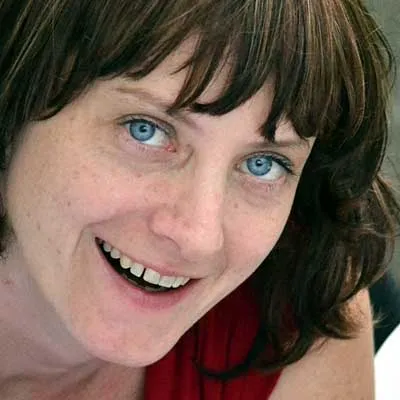
From small Writer’s Room events to the Big Screen Symposium in Auckland this weekend, the aim is the same - provoking debate, breaking down barriers, imparting knowledge and inspiring great work.
Script to Screen executive director Esther Cahill-Chiaroni tells us about stepping into big screen issues on the big stage.
* * *
What is the Big Screen Symposium?
The Big Screen Symposium is the first annual event for the filmmakers of New Zealand to come together in one venue. It is for everyone involved: from directors, writers and producers to musicians, actors and technicians to business people, distributors and film students.
Does it have a NZ or international focus?
It has a local focus – fundamentally it is about the stories of New Zealand Aotearoa. But part of that is talking about how we get our local stories out there on the global stage.
How does it cater for established and emerging filmmakers?
Every session is shaped to be stimulating for the pros. We believe this is what will make it informative, challenging and energising for all the participants – from film students right through to those with a few features under their belts.
In what ways is the film industry in a state of flux?
There is a lack of international finance since the global recession hit and at the same time the film industry is swept up in the digital revolution. It is a time of scarce resource in one way and of incredible opportunity in another – both in terms of production and distribution and exhibition.
What are some of the new ways forward for film in NZ?
I don’t know the answer to that. But I do know that a lot of very smart people with very good ideas will be thrashing that out at the Symposium this weekend!
What are the panel discussions topics, why is it important to provoke debate?
The opening panel is Exploring New Ways Forward for NZ Cinema and there are debates and discussions on topics such as digital distribution, piracy, and sustaining a career in the NZ industry. One of Script to Screen’s objectives is to provoke debate and discussion and the Big Screen Symposium programme is designed to do just this. There is not much movement if we all sit about agreeing with each other.
What are some of the other symposium highlights?
My pick is keynote speaker US indie producer Ted Hope. The guy is incredible – he has produced over sixty films by directors including Ang Lee, Gondry, Todd Solondz, Kauffman. And he has so many ideas on the future of film, of how cinema can survive outside Hollywood. But there are so many… Legendary director Gillian Armstrong taking a workshop called “10 Ways to F*** Up Your Film”, Sundance-2012 winner Ben Lewin, our own master DoP Alun Bollinger and international score composer Christopher Gordon.
How is the Symposium an extension of Script to Screen’s mandate and other work?
Script to Screen aims is to break down barriers in the industry, to inspire people to make great work, to provide a place where experienced filmmakers impart their knowledge to their colleagues and to those less experienced. Everything we are about is epitomised by the Big Screen Symposium.
How’s the marriage between industry, business and art going?
That is what film is. It is what makes it tough and what makes it fantastic.
Why put on a larger event in 2012, who are you collaborating with to do so?
We are working with master event producers J&A Productions who are fantastic at what they do. And we are lucky to have the University of Auckland on board. The Business School is providing the beautiful venue and the Film Television and Media Studies Screen Production staff, who are all filmmakers, are on side consulting on the programme and participating in the event.
Tell us a bit about Script to Screen's beginnings and how it's evolved?
Script to Screen kicked off in 2006. Originally it was to develop the craft of screenwriting but over the years our mandate has expanded. Now we cater to filmmakers from a range of disciplines, primarily writers, directors and producers.
How did you become involved, what keeps you involved?
I started as an Events Coordinator and at a certain time became responsible for our Writer’s Rooms. Then at the start of last year Simon Marler, our fantastic long term Executive Director left and I applied for the ED position. I love it. And the Big Screen Symposium has provided a great new challenge.
What are some of Script to Screen’s future plans?
We are working on getting a mentorship programme off the ground at the moment. And on bringing in more private investment to get more overseas internship scholarships off the ground, like our amazing annual Killer Films internship in New York.
* * * The Big Idea 10th Birthday Questions * * *
What changes have you noticed in film in the past 10 years?
I haven’t really been involved in film for long enough to answer that question. I suppose, Digital, digital, digital! Multi strand non sequential narrative. Less money.
What are some of the opportunities and challenges for the next decade?
I really am not an expert on this – you should come along and ask Ted Hope or Tim White or Robin Scholes or John Barnett or one of the other amazing speakers at the Big Screen Symposium! I suppose as I said earlier, there is a decrease in international finance. It is harder and harder to get films financed without big names attached, which is a problem. And at the same time the film industry is swept up in the digital revolution, which brings with it incredible risks but also opportunities – both in terms of production and distribution and exhibition.