Science Teller
Written by
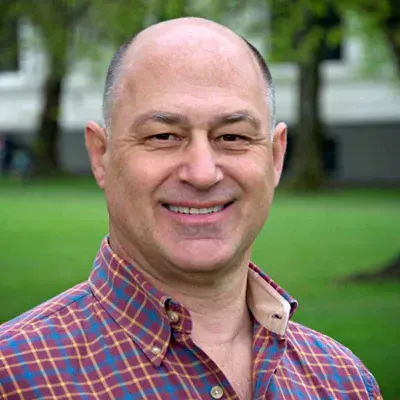
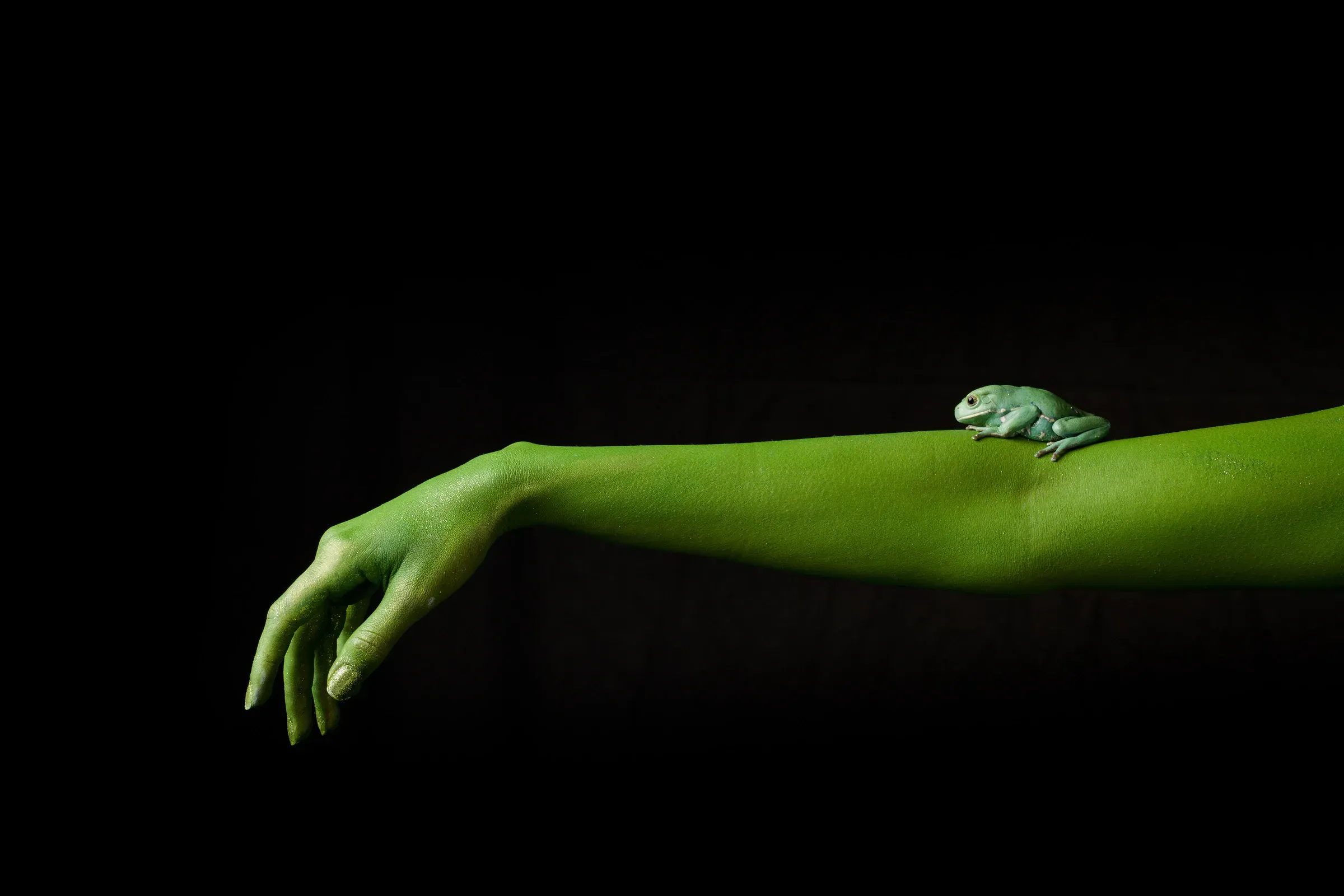
Using the arts and storytelling to communicate the wonders of science must be a breeze for Dr Phil Bishop, given he 'speaks frog' for a living, with a PhD in 'acoustic communication in amphibians'.
The director of ScienceTeller Festival, hosted by the Centre for Science Communication at University of Otago, tells us about the celebration of science and storytelling.
"The arts and storytelling contribute hugely to science by encouraging people to look, listen, engage or be intrigued in a subject that might not have interested them before and also provide alternative media for how science can be explained."
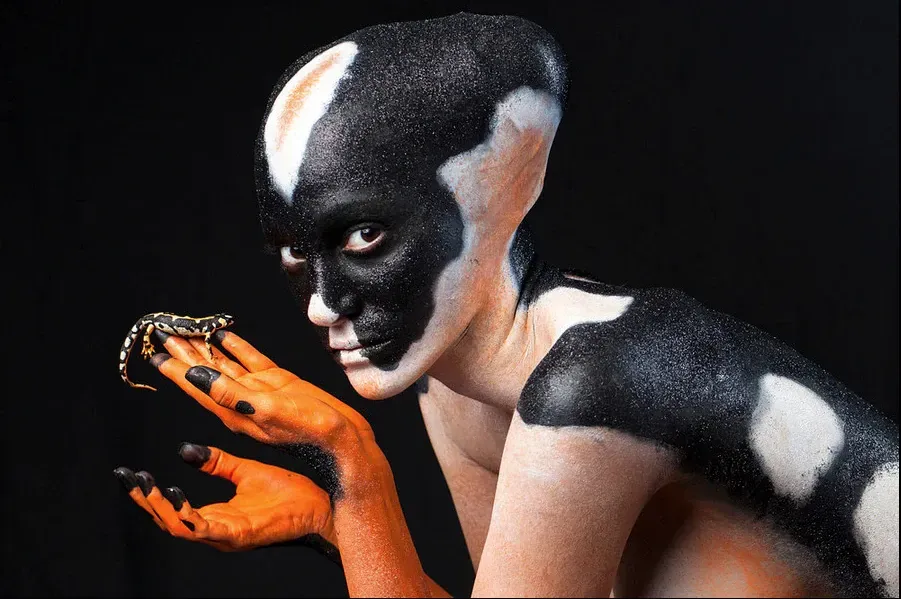
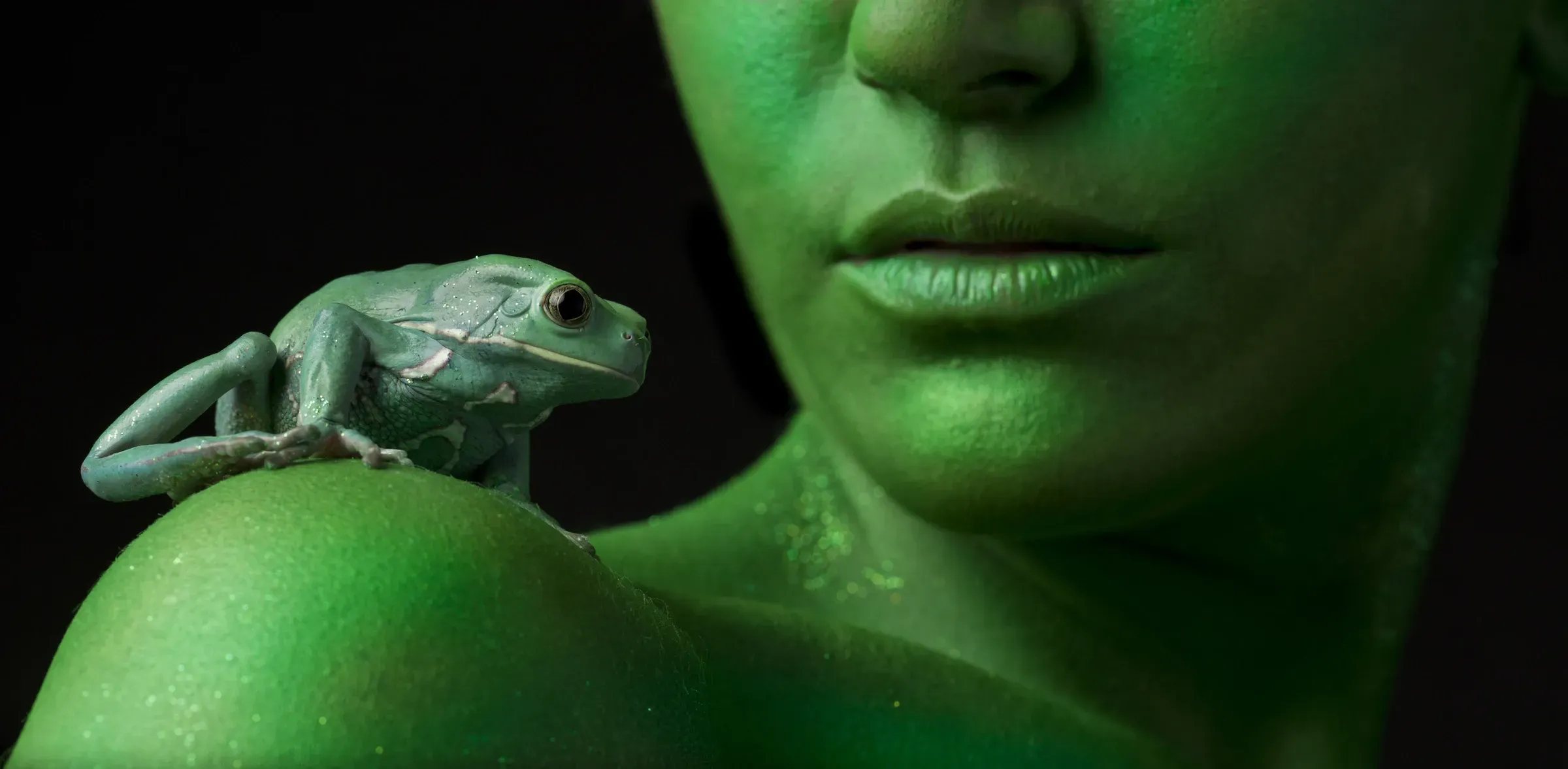
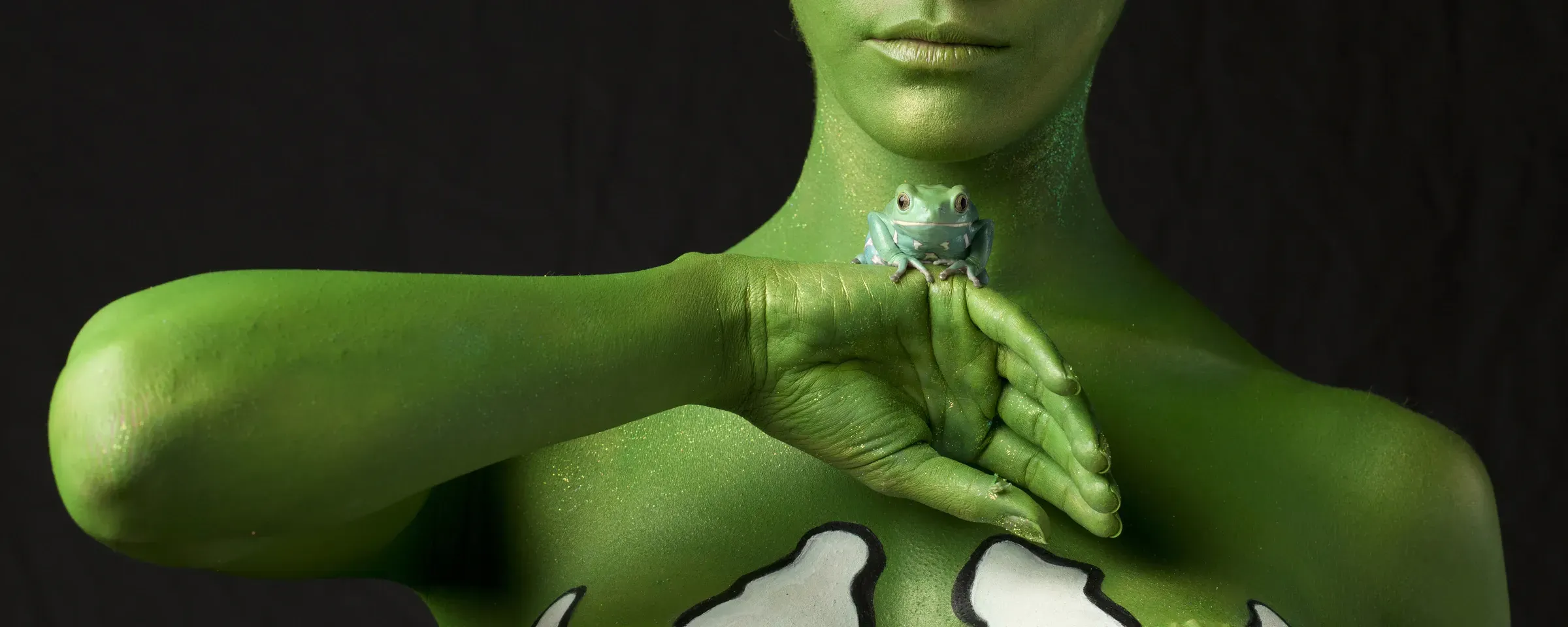
- Metamorphosis exhibition images by ScienceTeller speaker, photographer and scientist Robin Moore.
Tell us a bit about the ScienceTeller Festival
ScienceTeller is a biennial festival which was created to involve the wider community, providing an exciting mixture of national and international events that tell stories about science in original, entertaining and thought-provoking ways. The inaugural festival was held in 2011, and this will be the second festival.
What are some of the highlights this year?
Appearances by highly acclaimed experts including award winning photographer and scientist Robin Moore with his In Search of Lost Frogs; International beer expert and Master Cicerone Mirella Amato, American author and sceptic Guy P Harrison with Can sceptical thinking save the world?; South African dung beetle expert Marcus Byrne; Harvard University Professor Naomi Oreskes with The fallacy of rationality; and Canadian rapper Baba Brinkman with his hugely entertaining show The Rap Guide to Evolution as well as a variety of stimulating graduate films, exhibitions, talks and workshops for everyone – encouraging us to look forward to the future.
Tell us a bit about your background
I’m originally from the UK, and studied a BSc (Hons) and a MSc degree in Zoology at Cardiff University (UK). I was keen to pursue a research career involving amphibians, and completed my PhD on amphibian communication at the University of the Witwatersrand in South Africa. My interest in frog communication, particularly in 'earless' frogs brought me to New Zealand where I now reside. Since 1995, I’ve become actively involved in frog conservation and causes of frog declines, as well as the study of the biology of rare and unusual (and sometimes 'earless') frogs.
What do creatives and scientists have in common?
We are often very passionate about our subject and become obsessed with the research, or in some cases the process of creating, exploring or finding out more about our subject. I guess we both have a natural curiosity and desire to achieve the best outcomes – whether it be research, art, designing or inventing something.
How can the arts and storytelling contribute to science?
The arts and storytelling contribute hugely to science, by encouraging people to look, listen, engage or be intrigued in a subject that might not have interested them before and also provide alternative media for how science can be explained.
How can science contribute to storytelling and the arts?
Science can be the catalyst or the reason for telling the story or creating the picture or medium.
Is this recognised in NZ – and internationally?
Most definitely, in some ways storytelling is important in science and how to get it across. It’s a growing field and our centre within the University of Otago is the biggest centre in the world for producing graduates in science communication.
What’s the current picture of science arts in NZ? How does this compare internationally?
Science can be a source of inspiration both to the artist and through their work to the public - always has been and is currently undergoing big rebirth in this - reflected in spread of sci-art pairings between professional artists and scientists around the world.
Science as inspiration for art is becoming wide spread in NZ, reflecting the international trend. Sometimes it is uniting portraiture with exhibition on historic preeminent NZ scientists (e.g. recent exhibitions of the Royal Society) and sometimes pairing neuroscientists with artists (e.g. recent projects in both Auckland and Otago). Currently there is one in development at Otago called Art and Anatomy - run jointly through Dunedin School of Art and Otago University and linked with primary research on the cross-collaborative effect of sci-art pairings. The Centre for Science Communication is a key figure in helping to situate critical research on the effect of sci-art collaboration and its future development.
What opportunities does ScienceTeller Festival provide for creatives?
It allows writers, filmmakers, presenters, artists and all kinds of creative media to be involved.
What do you hope the audience takes away from it?
I hope that they will be motivated to think critically about the future, demand evidence and keep an open mind.
What’s your vision for the future of ScienceTeller Festival?
We’d like to continue to build on the success of the festival from 2011 and the hardwork that everyone has put into this festival for 2013. It is a unique event and gives those involved and attendees a chance to experience something very different.
What’s your big idea for 2014?
I think the big idea is to move science communication to a new level, to meet the needs of society. It’s one of those things that are becoming more and more important to keep up with the demands of society – as people become more reliant on science and technology and understand the issues around developing the science.