Recasting life
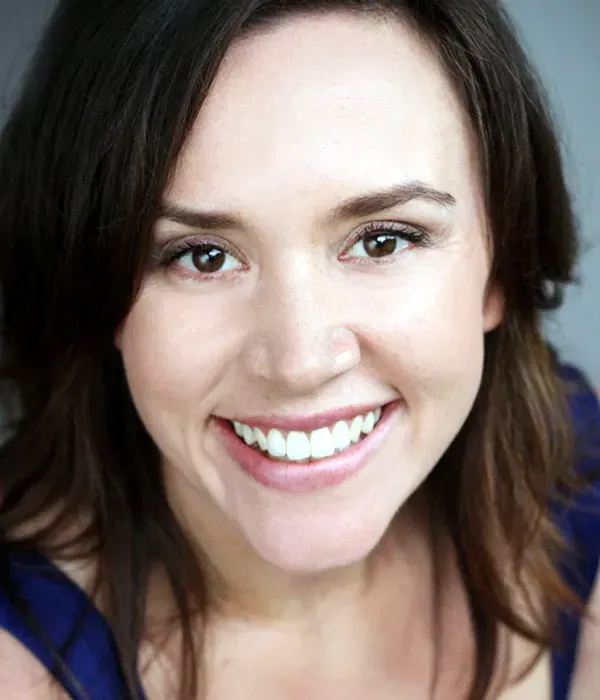
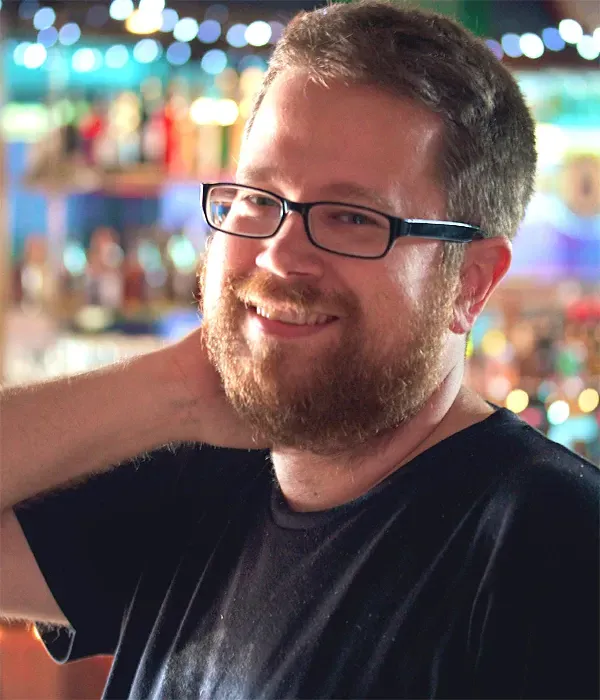
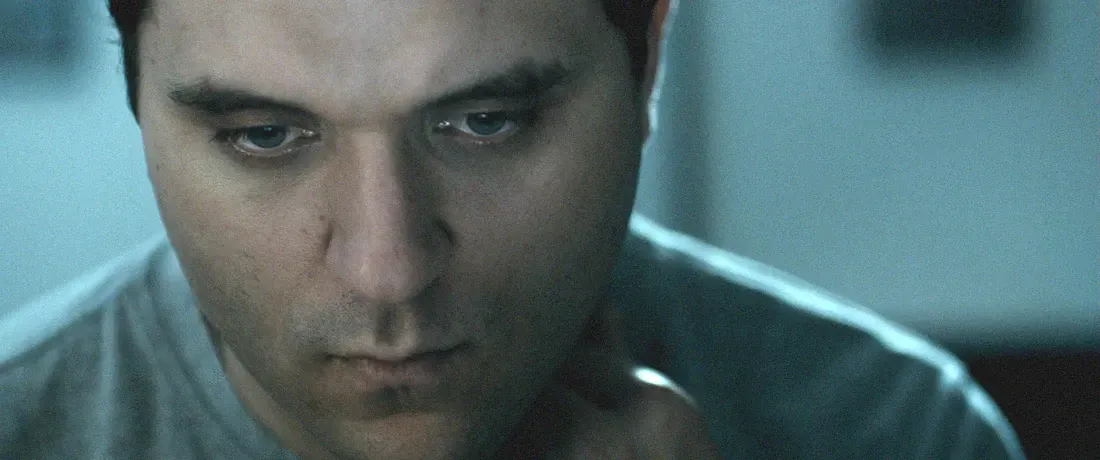
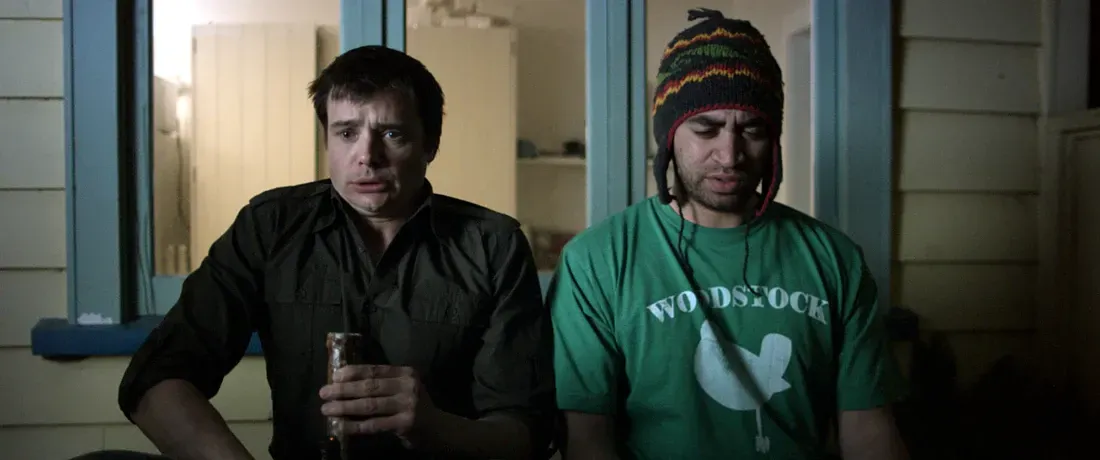
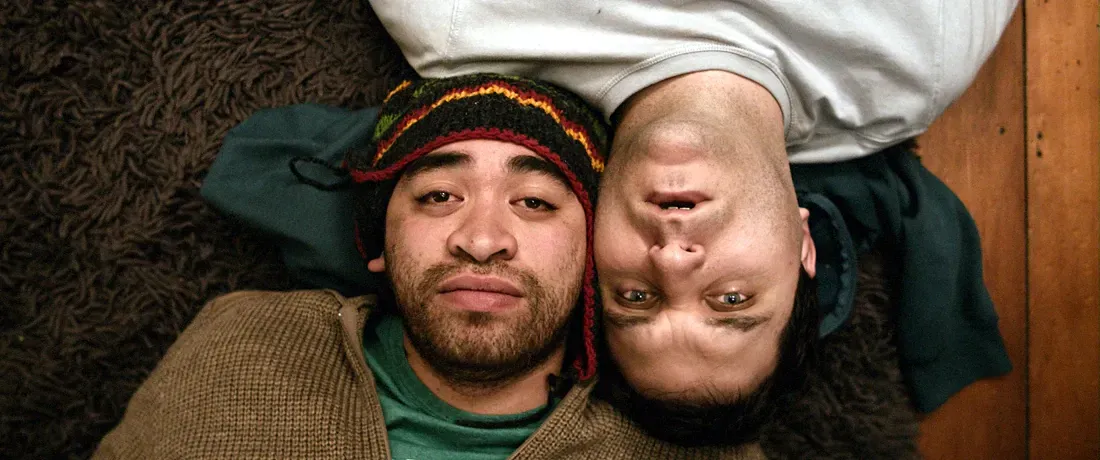
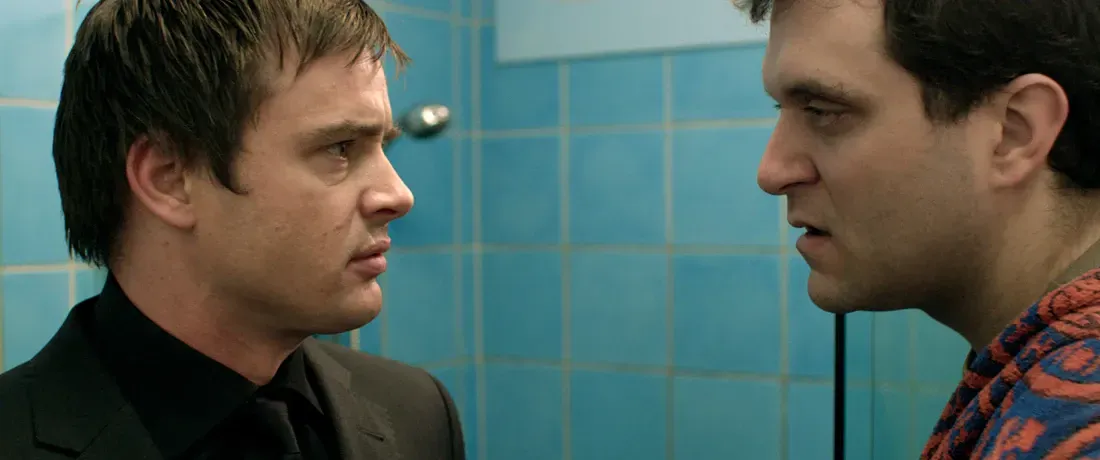
What if you were such a failure in life that someone else was recast to be you? Jake, a new NZ black comedy thriller, starts with that disturbing premise.
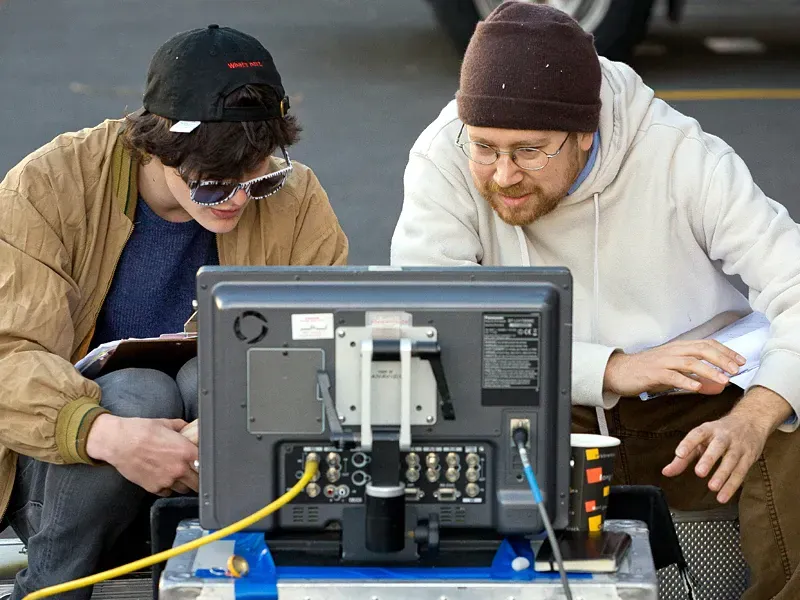
The film is written and directed by Doug Dillaman and produced by Hybrid Motion Pictures, the moniker for a group of young filmmakers who have been making films in their spare time for years.
Jake took 23 days to shoot and six years to bring to fruition, and now debuts around the country*, to some excellent reviews. Renee Liang speaks to Doug and producer Anoushka Klaus about their steep learning curve.
* * *
Why do you make films?
Anoushka Klaus: I make films because I like to tell stories. Film has always attracted me because of the scope of story that you can investigate but also the subtlety you can use to tell it. The power of a glance, the tension in a note of music, the way atmosphere can feed the tone of the story...it's magical.
Doug Dillaman: A double feature of Trust and Gas, Food, Lodging in my senior year of university planted the seed. I’ve always been driven to make stuff across different mediums – I’d spent the previous three years playing in an indie punk band, for example – and those two films showed me an achievable model for filmmaking that led to an obsessive love of film.
How did you get the idea for Jake and what's been the development process?
Doug: The inspiration partly involves considering Jake Gyllenhaal and wondering if he’d have the same success if he was named Jacob, and partly involves self-reflection, wondering if I could do more with my life, and wondering if somebody else could do more with the same raw materials.
The writing process took two years, several false starts, and a laptop theft (ALWAYS back up!). I put it aside at that point, but when Hybrid, our filmmaking collective, started picking up steam, I realized there was a team ready and eager to make a feature – all we needed was the script.
Once I had a draft at the start of 2009 I felt ready to share, I first passed it to Alastair Tye Samson (our other producer) and Anoushka, who both gave great, honest feedback, then with the rest of Hybrid. We started shooting June 2009.
Why did you decide to just go ahead and make it rather than wait for funding?
Anoushka: We were making short films every weekend and wanted to challenge ourselves. We started out with the intention of just doing it the way we were - just playing around with friends in the weekends, but as we developed the project, the aspirations grew and so the challenges did too...
Doug: It’s worth noting that this was pre-Escalator, and there were no NZFC low-budget initiatives at the time. The feeling we had was that we could wait for a long time to get permission to make our film, which we might never get, or we could go ahead and make it. Given those choices, the latter option sounded pretty good to us.
Are films made for love better films? Do you get a better product?
Anoushka: I feel like there’ll always be someone in love with the film on every film you work on, it’s just not always you. I think as a producer if you have genuine love for your film (whether it's the story or the people involved) it definitely helps you get it finished when the odds are feeling against you. You’ll fight harder for what you love. Better though? We'll let the audience decide that...
Doug: It makes it a lot easier to work when you’re in a supportive environment, and when you remove money from the equation, it usually means that people are there because they believe in the project and/or believe in you. That said, there are plenty of low-budget films whose conceit is let down by their budget, and there are films that go through an assembly line process only to emerge as masterpieces. (Famously, Casablanca.) I can’t guess a rule, but I can say in our case the love definitely produced a better product than I imagined when I was writing, which is rewarding.
What have you learnt during the production process? What would you do again? Avoid?
Doug: Do you have an hour? We’ve learned lots. The biggest lesson, based on arguably our biggest mistake: don’t rush to final cut. There’s a famous saying in film: “Fast, cheap, good: pick two.” If you’re making a low budget film, you’ve chosen cheap. So take your time wherever you can and do things right. We didn’t, then after some festival rejections, wound up doing a recut down the road which was great for the finished product, but much more complex and time-consuming in post as a result. Thankfully, that initial cut never saw the light of day; long-term, the worst thing for the film would have been if that longer cut had been released.
One big thing we learned is that the film we made has been harder to market because it doesn’t fit conventional genres. I’m glad I didn’t know this, because it means we made the film that I wanted to see, and because I think its refusal to play by genre rules is what people are connecting with. But it is important to keep in mind that films are made for audiences, and it’s important to square your personal commitment as filmmakers and your hopes and dreams with the realistic outcome of the film.
What could funders do to help independent filmmakers like yourselves?
Anoushka: People have been so supportive and open and helpful, other than giving us money next time (hint hint) it’s hard to pinpoint something concrete that funders could do. There are a lot of great support systems around that I haven’t been able to utilise yet – for instance, I would love to find a mentor to help guide me with career development decisions, and I’d like use a script consultant on the feature I’m writing – so that is what I’ll be searching for next. I don’t really feel qualified to answer this question until I’ve tried all services already available to filmmakers first. Maybe I’ll have a better idea in six months time...
What are some useful tips that you can share with others?
Anoushka: Just ask. People can be way more generous than you’ll ever expect. Be kind. Seek the help of people who know more than you do.
Doug: Take care of yourself. Especially during production, there are so many things to worry about that it’s easy to get overwhelmed, and chances are no one’s going to be looking after you until you collapse. Eating well, exercise, getting sleep, whatever your personal discipline is for positive mental attitude: stick to it, all of it. And always be open to collaboration and unexpected ideas. If you’re dogmatic, the film will never be better than your best idea. If you’re open, the film can be the aggregation of everybody’s best ideas.
Your cast and crew worked for next to nothing - what's the best way to ensure they all work
with you again?
Anoushka: Feed the cast and crew as best you can and respect their energy limits by working hard to keep overtime to a minimum. People are happier, more creative and more willing to come back if they aren’t hungry and tired.
Doug: What Noush says, of course, but also: be nice and say thank you. People are doing you favours to help your dream come to life. Let them know you appreciate it. (And to our cast and crew: once again, thank you, thank you, thank you.)
You put $100,000 of your own money into this project. Do you regret it, do you hope to get it
back?
Doug: To clarify, under $100,000, but still a substantial sum. I don’t regret it; I went into it prepared to lose every penny I spent in order to fulfill the dream of my adult life. Having said that, it would be great to make a profit so that we can repay the cast and crew in something besides goodwill and good meals.
Preproduction, filming, post and distribution - what's been the hardest part to crack so far?
Doug: Tough to say, they all have their challenges and we’re always learning. I find production most challenging because the time pressures are the most intense, but of course itcan be the most rewarding part of filmmaking as well.
What are your hopes for Jake? Where would you like to take it?
Anoushka: Our goal was always to get Jake in front of as many people as possible. Getting to show Jake on the big screen has been a dream come true for all of us! Once our cinematic run finishes we will launch our Video On Demand release on VHX with no geo-blocking so people can watch it anywhere in the world.
What are you working on next?
Anoushka: I have a feature that I’m developing for the last year that I’m super excited about. I also have a series of short films I’d like to make to help develop my writing.
Doug: Alastair is also developing a feature, and Hybrid continues to make 48HOURS films and other projects. My next big creative project is a novel set in WWII-era New Zealand, and I’m currently enrolled at the IIML in Wellington for that.
*Jake is currently playing at the Paramount in Wellington. Follow them on Facebook www.facebook.com/jakethemovie to see where it's screening next.
JAKE trailer from Alastair Tye Samson on Vimeo.