Real Films, Real Impact
Written by
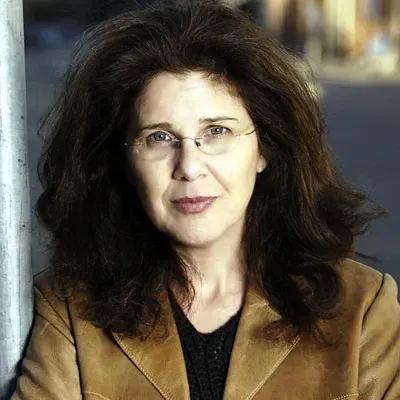
Ric Esther Bienstock declared at the recent Screen Edge Forum session on 'Real Films, Real Impact' that "It’s crazy making an investigative film, it’s not good for your mental health, but it's satisfying at the end."
So what drives a filmmaker to give up large chunks of her life, and sanity, to travel the world to uncover sex slave and organ trading?
"Don’t give up. I’m like a dog with a bone when I’m going after a story. Sounds hokey, but it’s true."
The Canadian based filmmaker, who premiered her latest documentary 'Tales from the Organ Trade' at NZs Documentary Edge Festival, tells us more.
During what hours of the day do you feel most inspired?
There’s no particular time I’m inspired. But I’m definitely not a morning person. I find the creative process rather torturous at any time of day.
How would a good friend describe your aesthetic or style?
My good friends keep telling me they think I need a personal shopper. I keep telling them I’m cerebral.
What aspect of your creative practice gives you the biggest thrill?
My most recent films have been investigative, so the biggest thrill has been gaining access to places or people who generally don’t talk to the media. I think one of my proudest moments was after I did a film on the ebola outbreak in Zaire in the 90’s. I was the only person allowed into the ebola ward and CNN asked to buy footage from me for their story. So that’s a professional coup kind of thrill. On a more important note, and I really mean this, getting feedback from total strangers about how I opened their eyes to a particular topic and changed their views, or helped them really understand an issue, is extremely gratifying.
How does your environment affect your work?
When making documentaries you have to work in so many varied environments. Filming on locations requires a lot of flexibility and often discomfort. I’m OK with that. When I’m in the edit suite, the only thing that matters to me is working with a great editor, which I’ve had the privilege to do.
Do you like to look at the big picture or focus on the details?
Both.
What's your number one business tip for surviving (and thriving) in the creative industries?
Don’t give up. I’m like a dog with a bone when I’m going after a story. Sounds hokey, but it’s true.
Which of your projects to date has given you the most satisfaction?
I couldn’t choose one film. Each one has been gratifying in different ways. For example, I did a documentary called Sex Slaves (aka The Real Sex Traffic) which has been broadcast and screened in countries around the globe. The response has been tremendous and so many people all over the world contacted me after seeing it, wanting to financially help the women who were featured in the film. I couldn’t find an NGO who could give money to these women directly so I opened a trust account for all their donations and have been continuously sending the money to these women in Ukraine and Moldova.
It has been immensely gratifying being able to go back to these women and tell them how moved people were with their stories and to provide them with much-needed funds for them to rebuild their lives. The film is also being used by the U.S. State Department and various law enforcement agencies as an educational tool. It’s nice for a documentary to have real use in changing people’s attitudes and perceptions.
Tales From the Organ Trade, my current film, will hopefully initiate lots of discussion about the dire shortage of kidneys and how we can solve the problem.
Who or what has inspired you recently?
My family. Always my family.
Tell us a bit about your background.
Canadian. Grew up in Montreal. Now living in Toronto. Child of Holocaust survivors.
Tell us a bit about your documentary
Tales From the Organ Trade is a glimpse deep into the world of organ trafficking and explores the desperation of those waiting for a kidney as well as the desperation of those who sell theirs. Through the lives of people on both sides of that equation, you start to understand why the black market in organs is flourishing despite attempts to shut it down.
Why is documentary important?
Documentary is one of the best ways to get deep inside a subject and impact audiences. Unlike news, doc filmmakers have the time to explore issues through characters and really bring the message home with more than just a soundbite. Also, besides the big ticket issues, there are millions of little stories around the world worth telling. Little stories with big messages. Nothing does it better than a great doc.
What do you think of the new documentary funding in NZ?
I think it’s great that NZ has created this new fund. Based on what I learned when I was there for the Doc Edge Festival, I still think filmmakers need more flexible funding in New Zealand but every bit counts. Doc makers are very entrepreneurial when it comes to raising funds and making use of what’s available so I’m sure some great work will come out of this funding.
What else is needed to support documentaries?
That question is hard to answer. How long is a piece of string? :) We always have to keep pushing for more funding and more support.
What is the documentary funding and support like in Canada?
We are very fortunate in Canada in that we have funding that is characterized as “arts” funding supporting our work. But we also have funding in the way of tax credits that are based on the Canadian labour spend in our budgets. This is industry subsidy and is very valuable because as long as your project adheres to certain regulations around key creative personnel being Canadian, you can film anything, anywhere in the world. And it keeps our Canadian film industry professionals employed and paying taxes which will hopefully keep the tax credit program going.
Tell us about your other upcoming projects.
Still recovering from Tales From the Organ Trade
If you could go back and choose a completely different career path to the one you've chosen, what would it be?
I applied to and got accepted into law school but decided to go to Africa to film a documentary instead. So I made my choice at that time. In my fantasy life though? A Broadway singer/dancer. I have no aptitude for that whatsoever. Lousy voice and not very coordinated. So I tap dance in private when no one’s looking!
What place is always with you, wherever you go?
Home obviously.
What's the best way to listen to music, and why?
For me it’s in my car when I’m driving. It’s the only time I can tune out the world and lose myself in music.
You are given a piece of string, a stick and some fabric. What do you make?
I give up. And the surrender flag I just made proves it.
What's the best stress relief advice you've ever been given?
No one has ever given me any stress relief advice that actually worked.
What’s great about the Documentary Edge Festival and Forum?
Don’t get me started. Wonderful people. Great films. Warm and beautiful environment. It was a treat to be part of this festival and I hope to come back one of these days.
What’s your big idea for 2013?
You’re kidding right? This question is too stressful. I have to think of something clever and witty and smart. Too hard.
* * *
- The Big Idea is proud to be a Media Partner for Documentary Edge Festival 2013.

This work is licensed under a Creative Commons Attribution-NonCommercial-NoDerivs 3.0 New Zealand License.