Publicity with Sally Woodfield
Written by
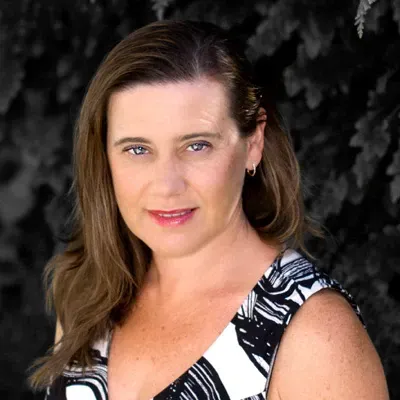
Sally Woodfield, from SWPR Ltd, tells us more about herself and what a publicist does as part of the latest Generator on Money's tight and I'm sure I can do some of this myself. How do I be my own publicist?
What does a publicist do?
I see a publicist as acting as a catalyst between a product (ie music festival, album, artist) and the potential audience and utilising channels to reach that audience. Most commonly a publicist is using media to gain profile for their ‘product’. Publicists generally bring with them an ability to write a media release, tell a story (written and in a verbal ‘pitch’) and relationships with media which are appropriate to the product.
A good publicist is able to dig deep and find the quirky angles which will interest media and has the understanding of how the media works to know what, when and how to pitch the story and the angle. A publicist balances the expectations of the client (producers, artists, promoters, festival directors) with what the media wants and what the artist is able to do. Depending on your agreement, a publicist crosses over into some social marketing, may assist with marketing (SWPR offers full marketing services and ability to utilise special advertising rates), and may also assist with things like programmes.
Tell us a bit about your professional background
I come from an arts background – my mother is a visual artist and I was exposed to music, theatre and the arts from a young age. I trained as a journalist more than 25 years ago and was arts and entertainment editor at the Waikato Times and later worked editing specialist magazines and even had a stint at the NZ Woman’s Weekly first as a staff writer and then as a columnist and freelancer. I switched to publicity for Manukau Institute of Technology and was later Communications Manager at THE EDGE before setting up SWPR Ltd in 2004. I work with a huge range of clients from large-scale musicals and tours to small theatre companies. I have a special interest in fine music and am publicist for Chamber Music New Zealand.
How, when and why did you get into publicity? What keeps you involved?
As a journalist I often worked with publicists and ‘went to the dark side’ when I went to Manukau Institute of Technology in 1999 where I edited their internal magazine and co-ordinated media (it was a part time role while my children were babies). I left MIT to be Communications Manager at THE EDGE (from 2002) and then set up SWPR Ltd in 2004. I love publicity – every day is different, it is an exciting job and I love working with creative people and finding ways to get word out about their shows and events. There have certainly been some memorable moments ... and I know there are many more to come! I stay involved because I really am passionate about the arts – I am lucky that I get to see and experience so much not only through my work, but through the opportunities I’ve had to travel to festivals around the world.
What areas do you specialise in?
Theatre, dance, music, festivals and fine music.
I work with a huge variety of clients. I do have a knowledge of, and love for, fine music and as such I have been contract publicist for Chamber Music New Zealand for five years. I have worked with many of the regional festivals in New Zealand including Taranaki, Tauranga, Fuel (Hamilton), and Christchurch as well as New Zealand International Arts Festival and major music festivals including Splore and WOMAD.
I love the variety of the clients I work with.
How can clients help themselves help you?
Good images are critical – must be at least 1MB
Interesting angles – think about what is different and what might appeal to various markets, but be realistic about what media will be interested in.
Look at what similar events are gaining in terms of media coverage.
Be aware of clashes with media – an easy way to lose relationships is by giving the same story to two rival papers/magazines.
What interests/excites you about the creative sector?
New works being created especially multi-disciplinary works with challenge the senses.
I love works which stimulate the emotions, be it joy or sorrow. This is why I think I love fine/classical/chamber music so much – there is so much emotion from the composer, the performers and the audience. I love to soak that up. Passion.
What are your creative interests?
I still have a strong interest in music and have a piano at home but never get time to play. I paint a little and sew when I have time. I also find my creative interests sparked through the engagement I have with artists and working to best develop their ‘story’ for media.
Who are some of your mentors?
Jim Tucker – my journalism tutor at ATI. We were his first class and we still keep in touch
My husband David Inns – I am lucky to have daily access to one of the most incredible brains in arts management this country has! David is CEO of Auckland Arts Festival and was CEO at the NZ International Arts Festival and has vast experience across all areas of arts management including publicity and marketing.
What’s the best piece of advice you’ve been given?
Never count your chickens before they hatch! A cliché but it is true.
What’s your top tip for creatives doing DIY publicity?
Know your market – read the paper/watch the TV programme/listen to the radio show so you know what they are interested in.
What are some of the perks and the pitfalls of a career as a publicist?
I have seen some fantastic shows in my life, and met some amazing people – I absolutely love the people I get to work with. My career highlight to date has to be working with Sir Ian McKellen and I am lucky to count him as a friend. Working on the fundraising tour for the Isaac Theatre Royal with Ian, Neil Cox and Philip Tremewan was the most incredible good fun and an amazing experience.
Pitfalls: It can be a lonely job – it’s about 95% hard work (mostly at the computer or on the phone) and 5% glamour. You cannot control the media or even if, when or how they might use your story.
What are some of the future trends?
More and more online
Quirky stories
More and more niche media
Won’t get away from celebrity focus which media has – this is hard to contend with