NZIFF: Worlds of Difference
Written by
Simon Zhou previews the Worlds of Difference section at the 2010 NZ International Film Festival. See more previews here.
From pink-tiled living room in urban Korea to floral patterned living room in rural America; from the historical traumas of French colonialism in West Africa to the present traumas of Anglo-Saxon cultural imperialism. Inasmuch as these films give us a window to the differences that exist in the world, they also give us a window within, showing us our shared humanity.
This section of the festival is full of notable films by both established auteurs that will be familiar to New Zealand International Film Festival audiences and directors making their first appearances at the NZIFF.
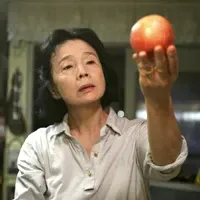
If Certified Copy has me sweaty palmed and swooning, Lee Chang-dong’s Poetry is a film that, even before viewing, I am ready to pledge my eternal fidelity and devotion to. Winner of the Best Screenplay prize at Cannes in May of this year, South Korean director Lee’s fifth feature examines the kindness of an elderly Korean woman against an unsympathetic world, most cruelly articulated in her relationship with her insensitive grandson. The film looks to be a continuation of Lee’s thematic concerns around the humanity of those who have been marginalized by society. His previous film, Oasis (winner of the FIPRESCI Prize at the Venice Film Festival), was a revelatory experience of compassionate humanism. Reminiscent of the Dardenne brothers or Robert Bresson, it was at times brutal, but also a tender film of heartbreaking beauty that moved me beyond words. I expect this film to be no different.
Perhaps the most experienced of the directors, both in the festival programme and still working in the world today is Manoel de Oliviera, a one hundred and one year old film-maker whose effort, The Strange Case of Angelica, is the forty-ninth film he has directed. He directed his first film in 1931, but by all critical accounts, The Strange Case of Angelica finds him in youthful form, with plenty for the saccharine hearted in a sweet romance tinged with melancholy.
Roman Polanski’s (director of The Pianist, Chinatown, and Rosemary’s Baby) new film, The Ghost Writer makes its New Zealand premiere, a political thriller with thinly veiled allusions to the Blair administration, as does this year’s Berlin Film Festival Golden Bear (Best Film) winner, Honey (dir. Semih Kaplanoglu), a quiet contemplation from a small child’s point of view, charting the daily rhythms of his mundane existence in the Turkish mountains.
Offering one of the strongest showings in the Festival is the contingent of films from the USA in this year’s programme. From critical darling Beeswax (dir. Andrew Bujalski) and dysfunctional family comedy Cyrus (dir. Mark Duplass/Jay Duplass) to I Love You Phillip Morris (dir. Glenn Ficarra/John Requa), a film which pits Jim Carrey and Ewan McGregor as a pair of gay lovers who meet in prison, there is a trend towards showing the tragedy in the comedy of life.
Harmony Korine, writer of Kids and the director of the terrific Julien Donkey-Boy and Mr. Lonely, makes an appearance with Trash Humpers. Korine is the filmic equivalent of Sarah Kane for his shockingly grotesque but deeply human portrayals of life.
Rounding out the American contingent is Michael Winterbottom with his adaptation of Jim Thompson’s 1952 novel, The Killer Inside Me. The film sparked intense critical discussion on whether filmic adaptations of books previously thought unadaptable were now possible; among titles slated to get the big screen treatment are Don Quixote and JD Salinger’s The Catcher In the Rye. The real question should be whether there is any artistic merit or incentive to adapting these books into movies, or whether the incentives to do so are purely commercial.