NZ art auction for Nepal
Written by
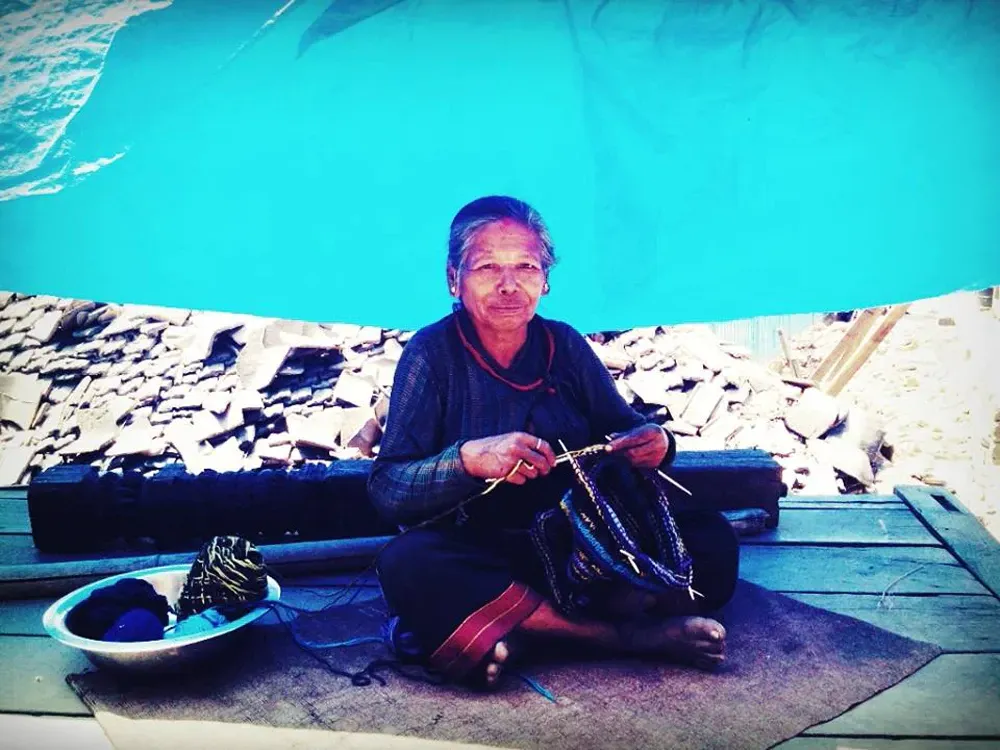
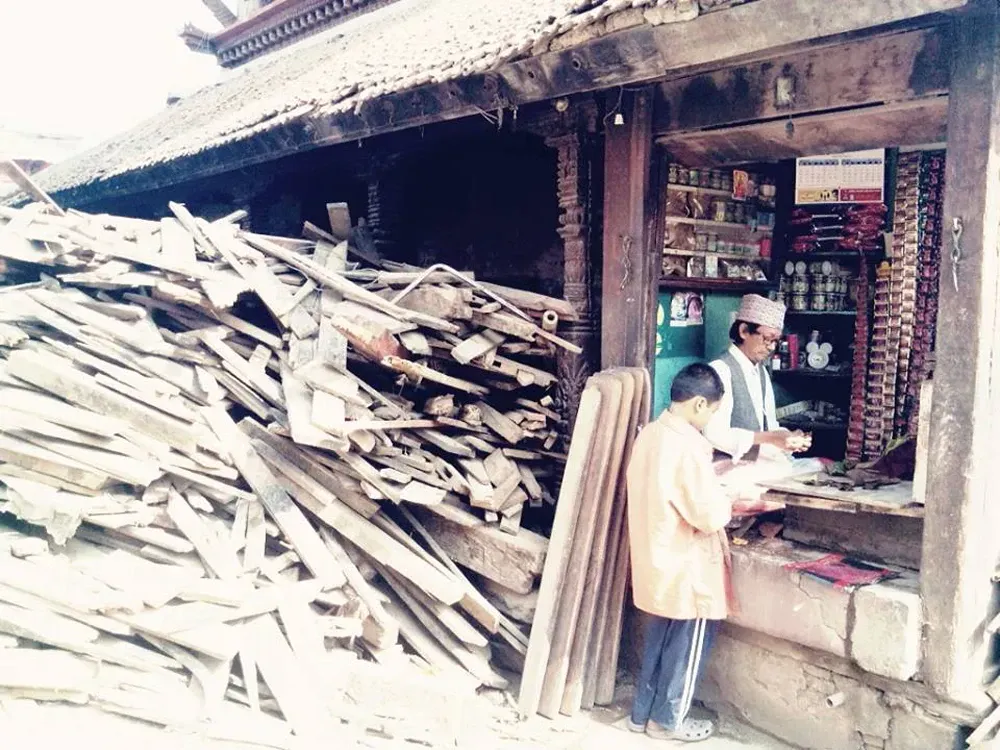
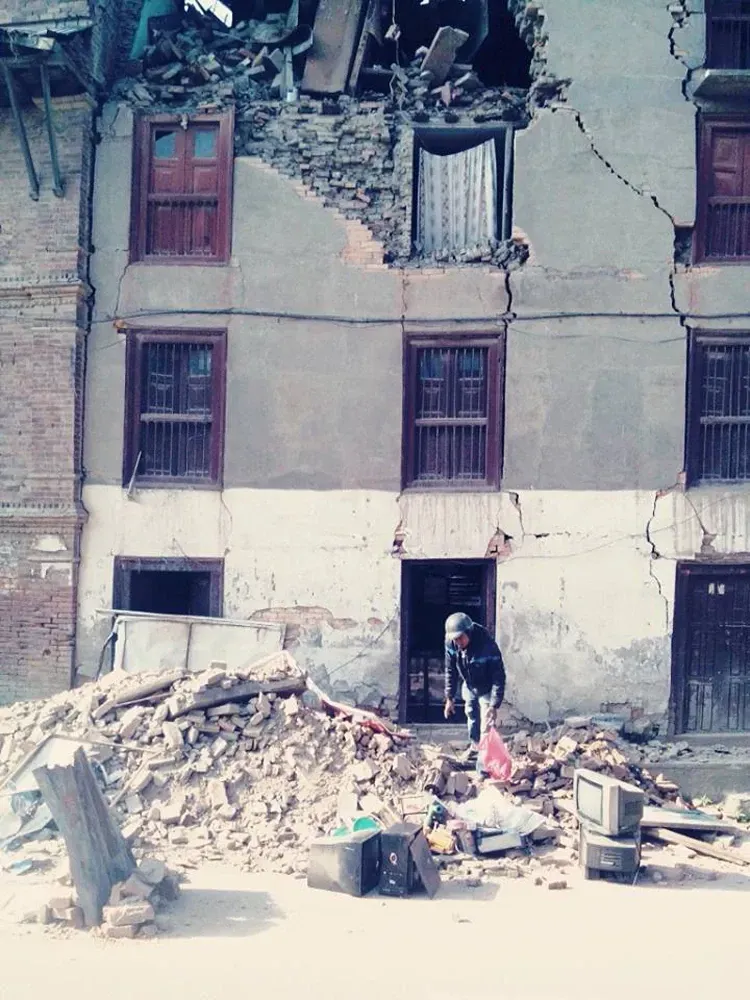
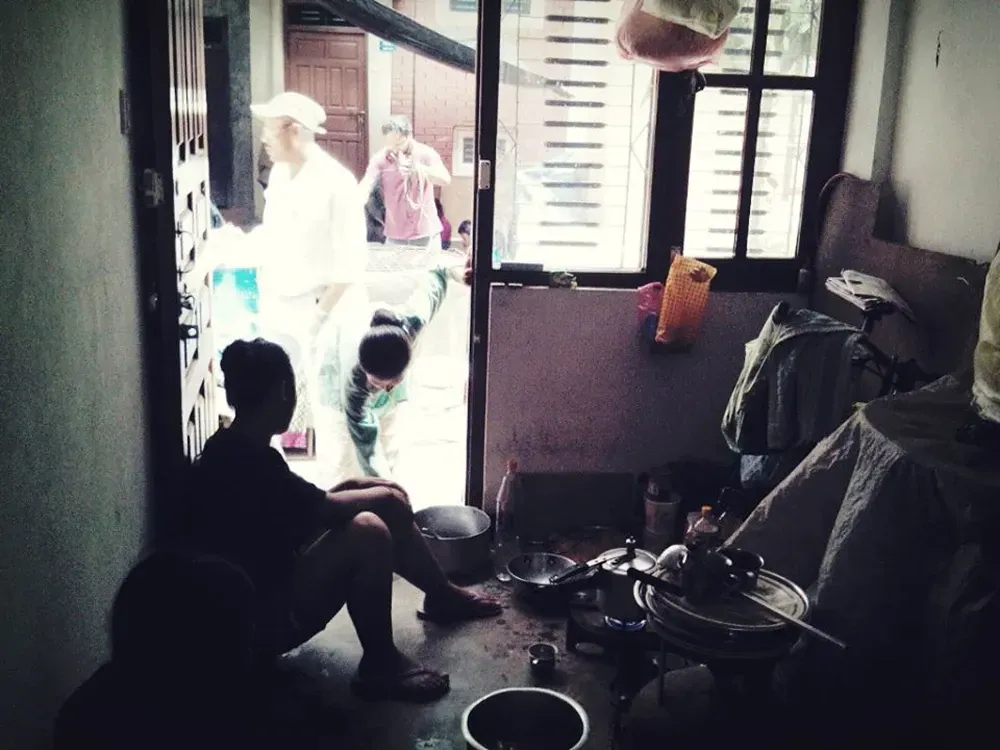
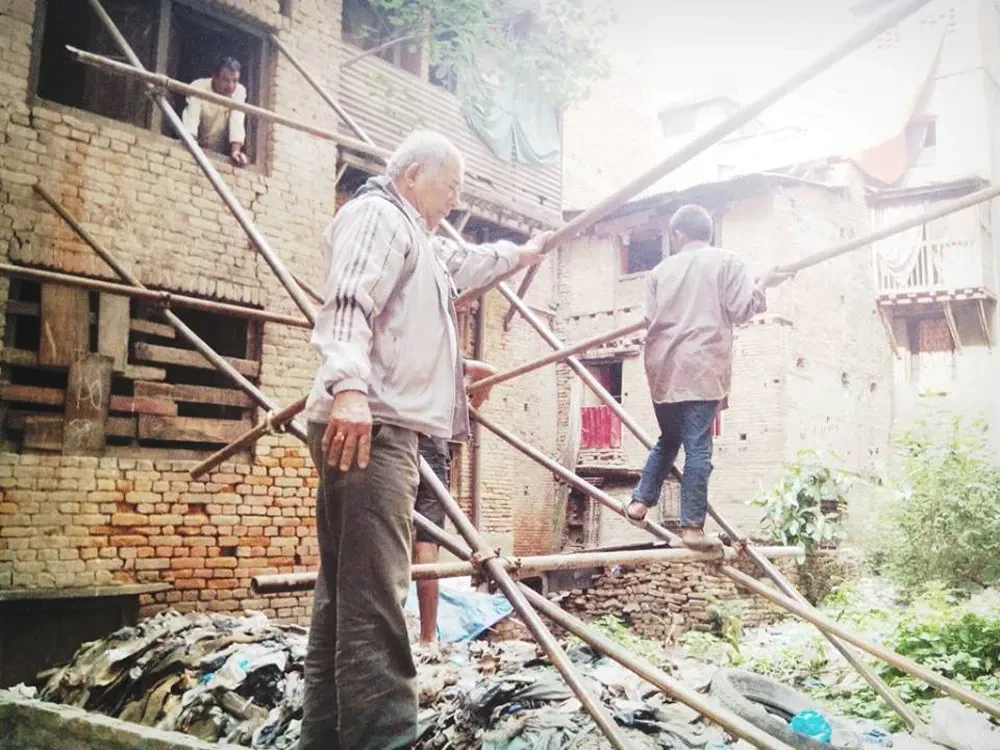
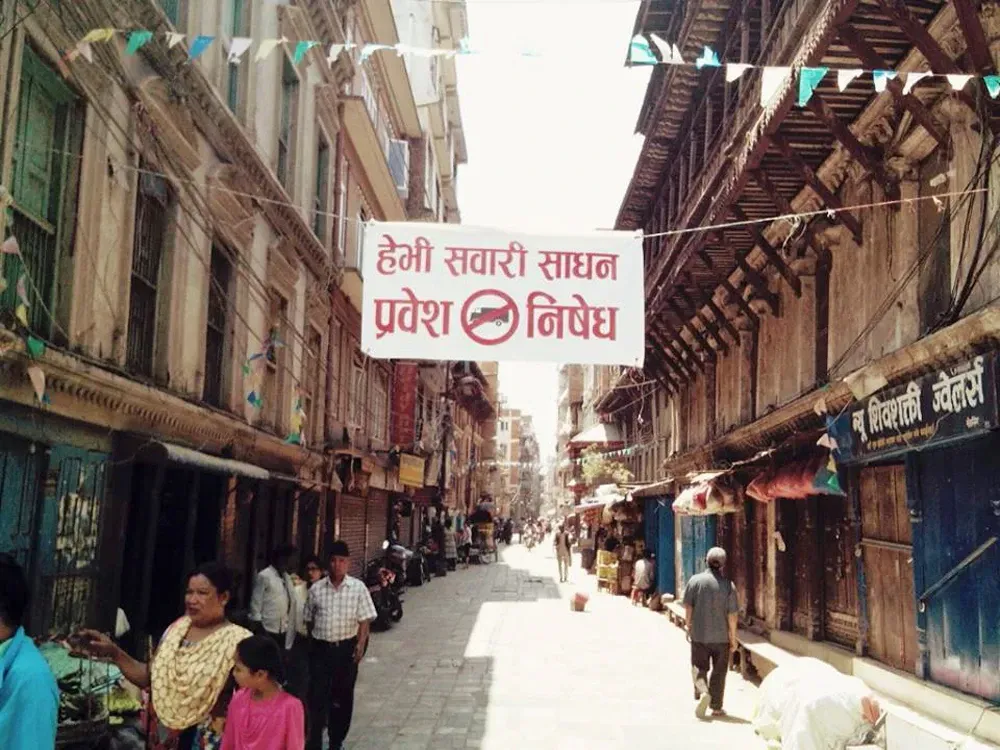
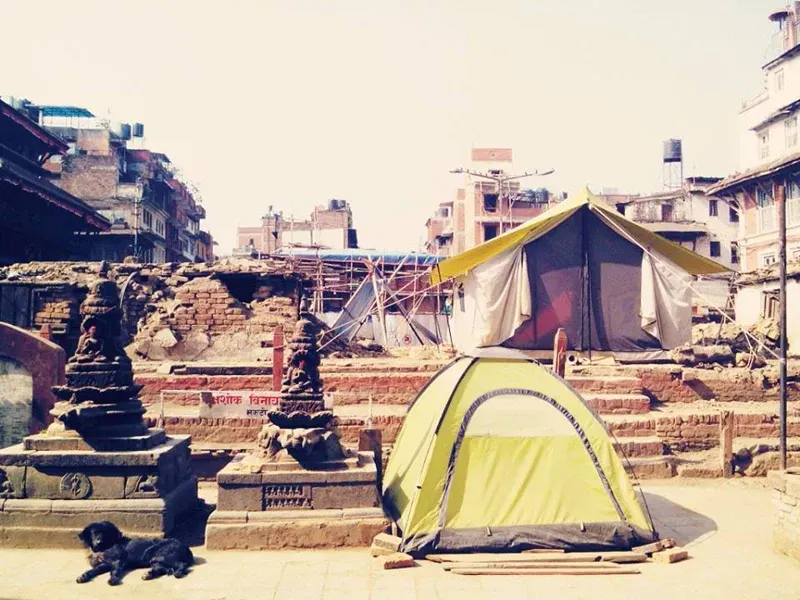
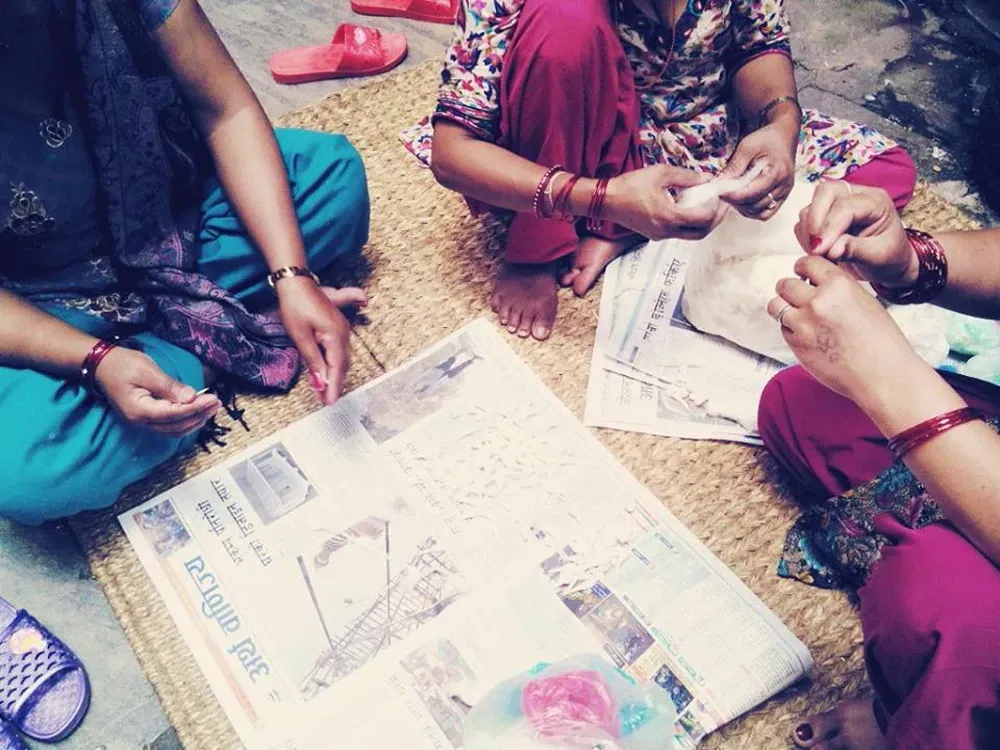
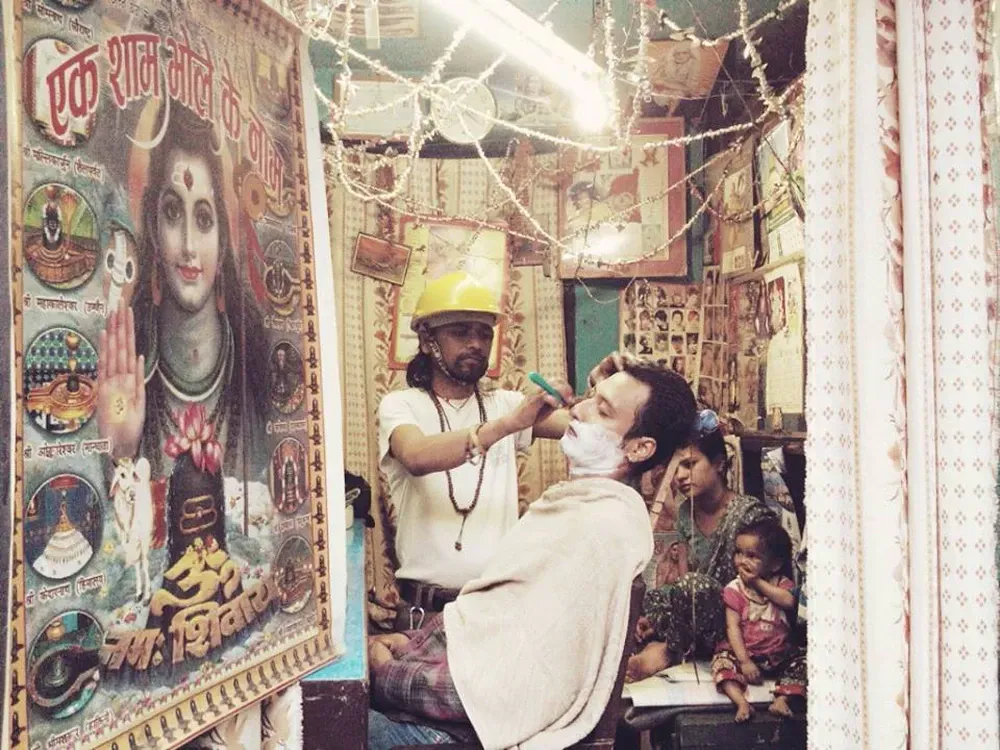
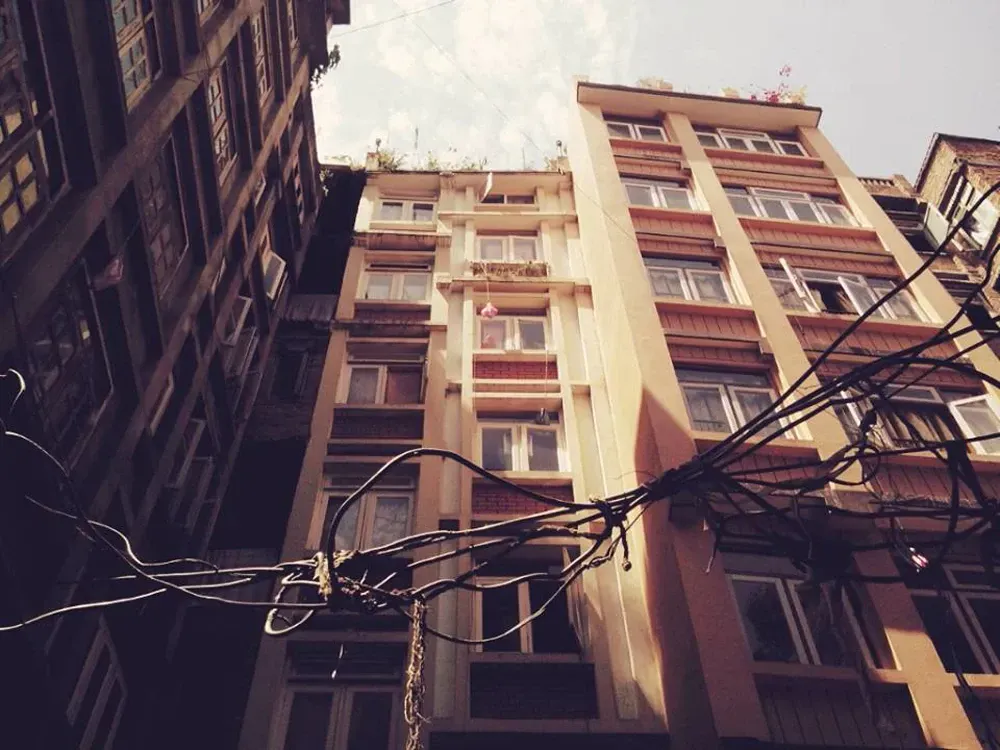
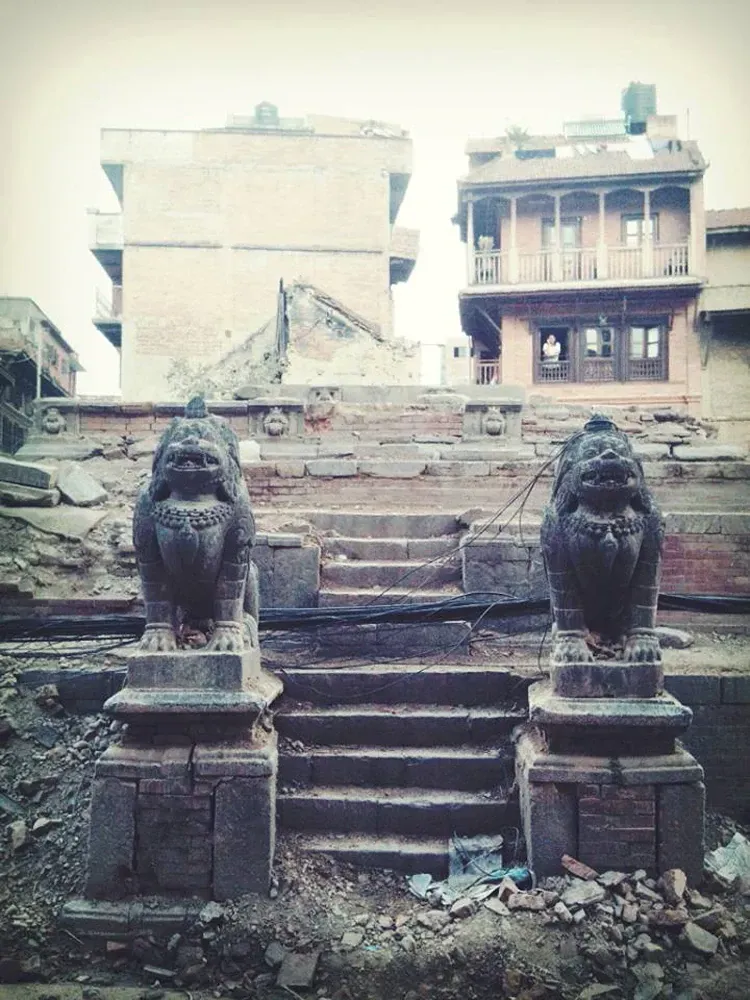
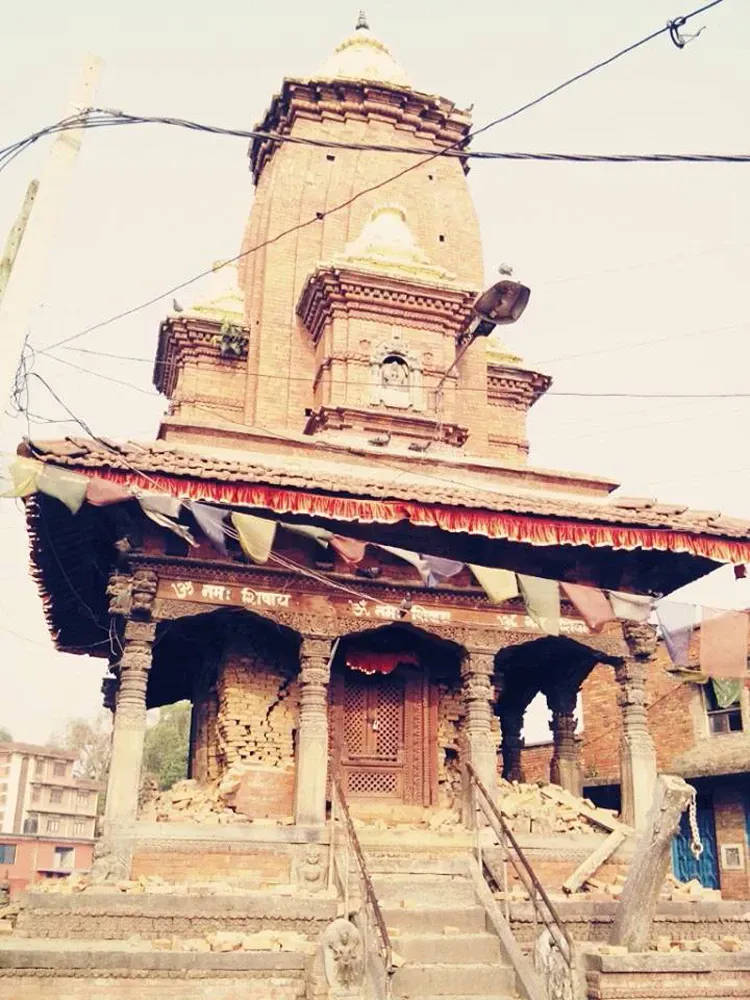
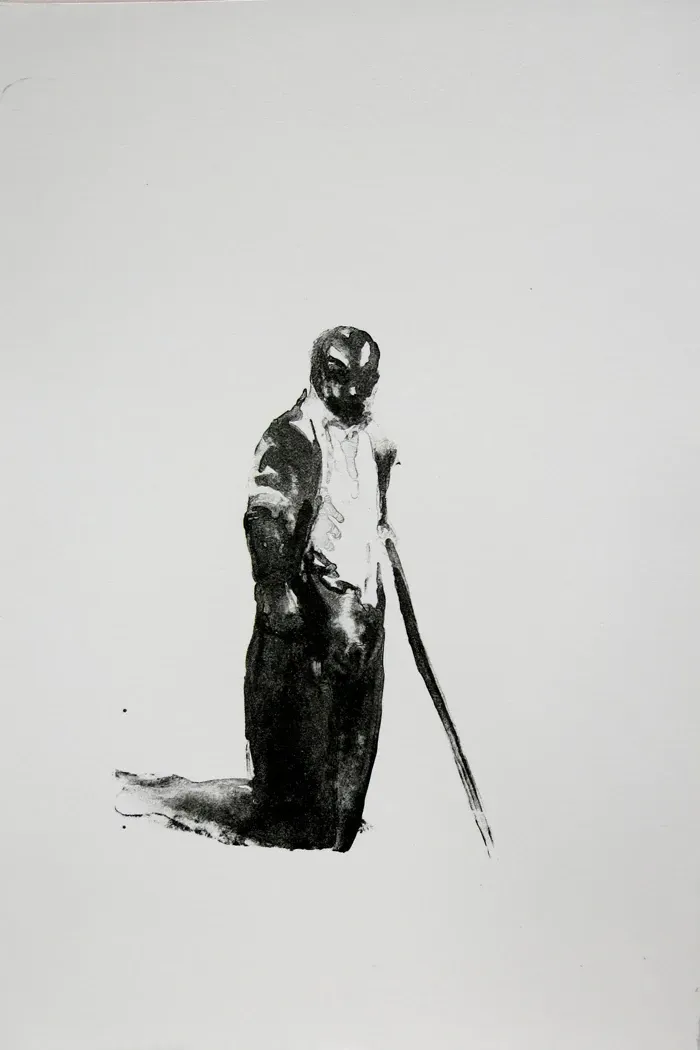
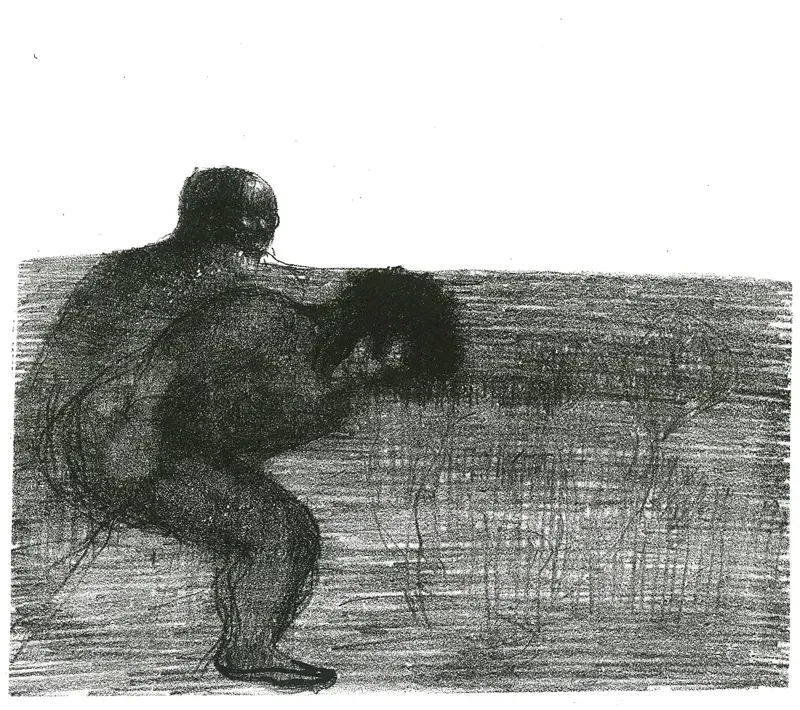
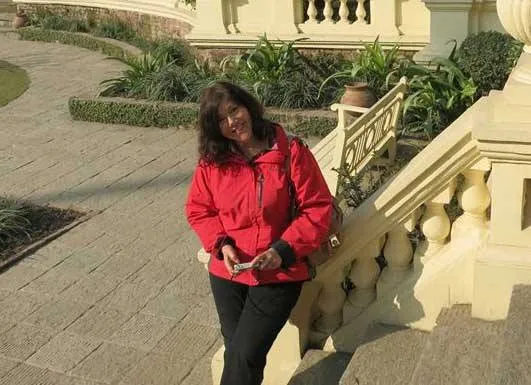
Artist Lorene Taurerewa had only been back in NZ from her Kathmandu Contemporary Arts Centre residency for a month when the devastating 7.8 earthquake hit Nepal on 25 April. It killed 8800 people, injured 23,000 and destroyed heritage sites, including where Lorene lived in Patan.
Lorene is one of 40 New Zealand artists auctioning their work for the Himalayan Trust at Gus Fisher Gallery this week.
She tells us about her time in Nepal and how you can help.
She continues to stay in touch with friends in Nepal including Sanjeev Maharjan, Kathmandu Contemporary Arts Centre residency manager, who has shared these photos taken in Patan May 2015.
Tell us a little bit about your background
My family are from Wanganui. Both of my parents were involved in the arts, my father Steve Clotworthy was a painter, he trained at the Slade School of Arts in London and my mother Virginia was a musician and singer. I am third eldest of ten children, who all are very creative people living interesting lives. For the last nine years I have lived in New York.
Why did you apply for a residency at Kathmandu Contemporary Arts Centre? What drew you to Nepal?
In 2006 I met a Nepali artist Bidhata KC while on an art residency in Seoul, Korea. We talked a lot about Kathmandu and I got a sense of it being very exotic and left field, which triggered my imagination. Over the years I never stopped thinking about it and after seeing a show of Buddhist Thangka paintings in New York I made a decision to go. It was the best decision I ever made!
How long were you there and what did the residency involve?
I was in Kathmandu for three months on a residency at the Kathmandu Contemporary Art Centre. Initially, it was a six week residency, but I loved it so much I stayed on. My studio space was in the grounds of the Patan Museum in a quiet and peaceful setting and allowed me to work with little distraction. I produced quite a lot of work.
Tell us about the works you created and the exhibition
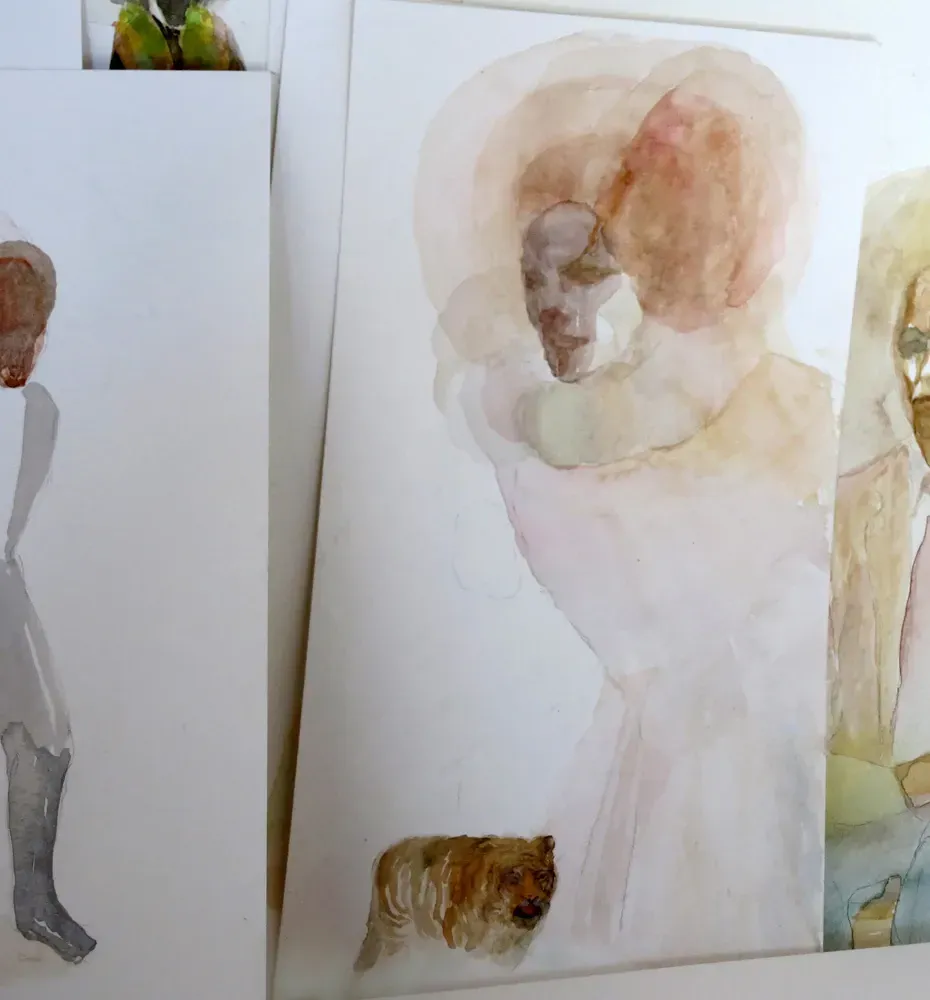
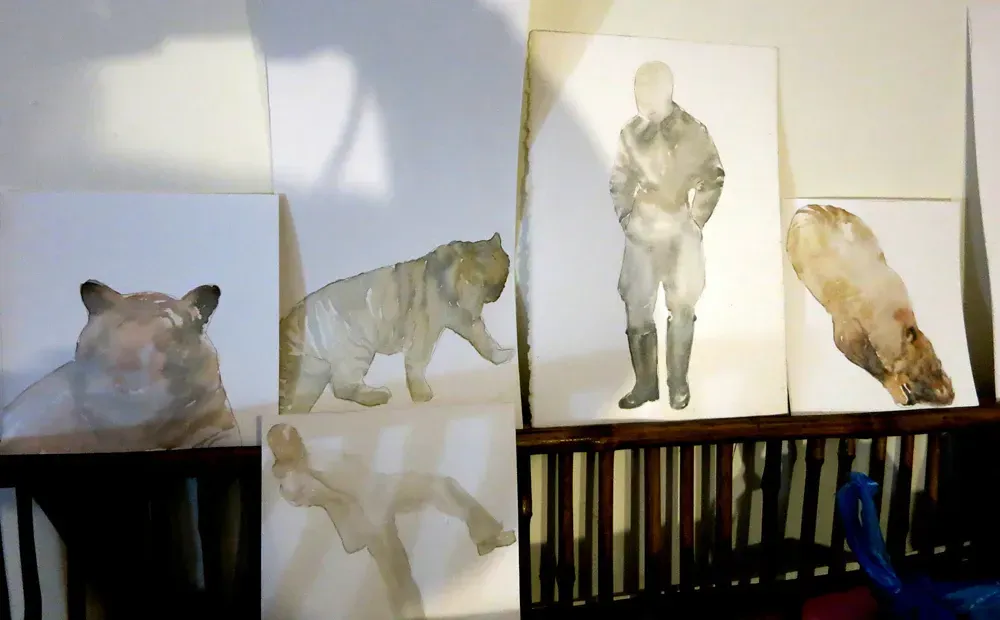
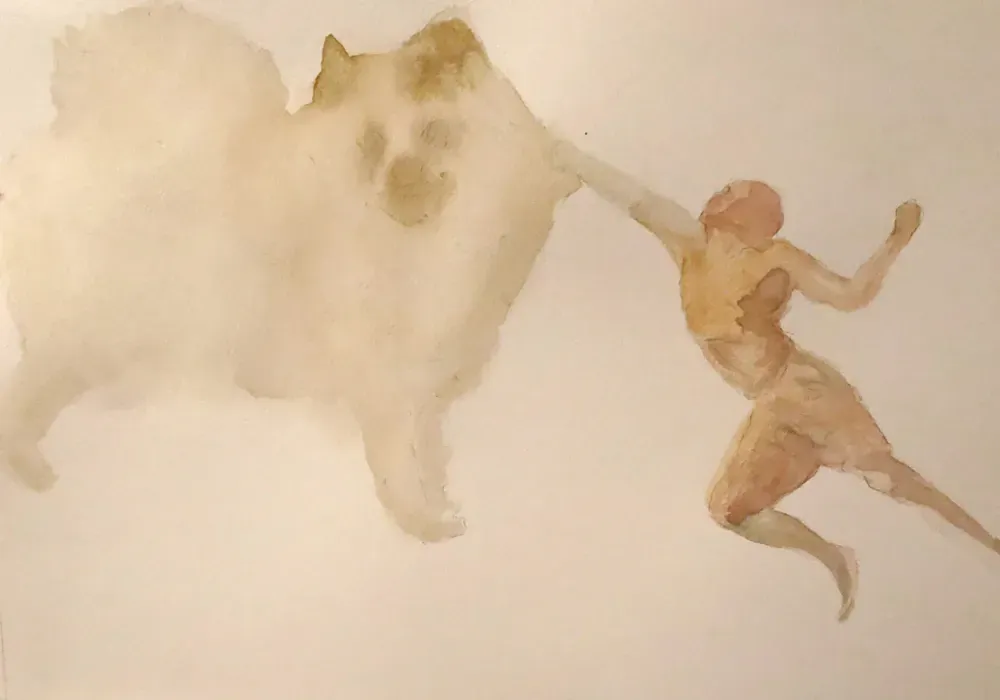
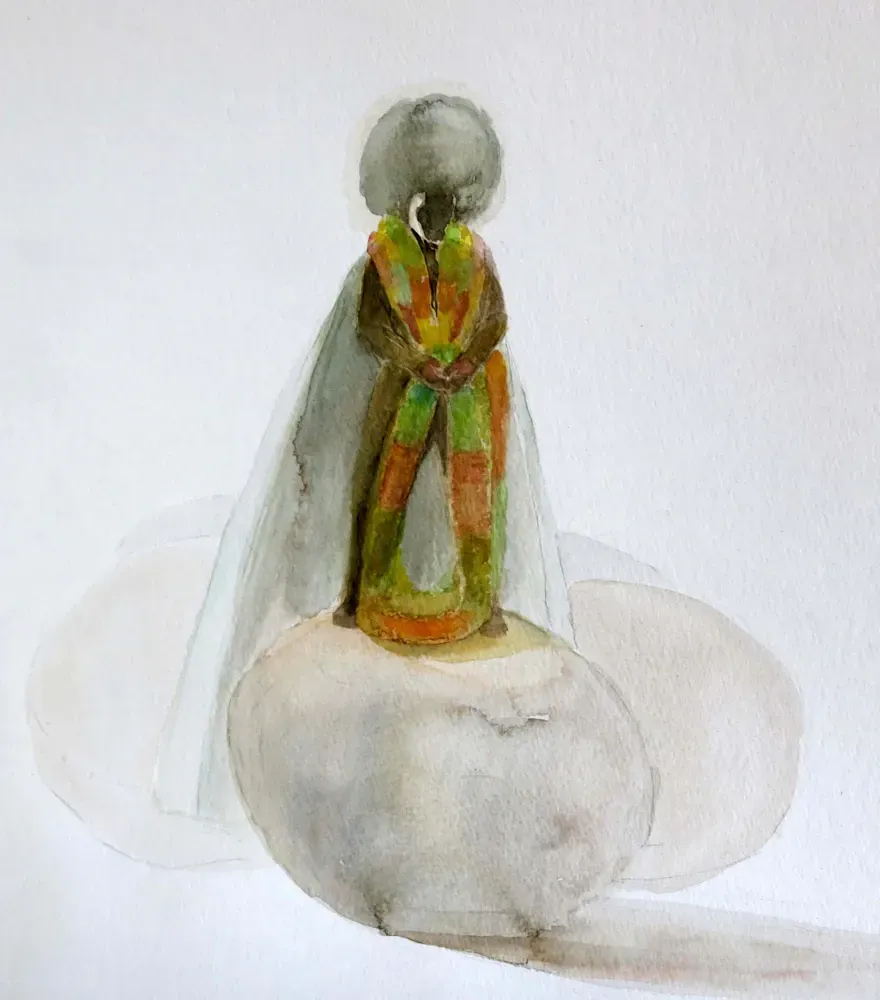
I made a large series of process works influenced somewhat by my environment, which was a visual feast of strange and weird sights. But, I was particularly affected by the homeless stray dogs and made a series based on them. Kathmandu has over 35,000 stray dogs, many in very poor condition, which was distressing to see. On my second to last week I exhibited a show of paintings at the Patan Museum.
What were some of your impressions of Nepal - the artists, culture and people?
I was incredibly humbled by the poverty I saw everywhere, but in some ways this was balanced out by the beauty of the place, its sumptuous temples, exquisite arts and constant religious festivals, which can only have a positive effect on the people. I saw many traditional artists at work but Kathmandu has a vibrant contemporary arts scene too. The artists are very community minded and look out for each other.
How long were you gone before the earthquake hit? What has happened to the area where you were an artist in residence?
I left four weeks before the quake. At night I would often worry about earthquakes, plotting a way out of the building as earthquakes come every so many years in Nepal and we were in the time frame. Patan, where I lived, is a very old part of Kathmandu, with a major temple site. I heard it had a lot of devastation. My house is still standing but many other houses collapsed around it, which saddened me, as many very poor families lived in my lane. The museum has some structural damage and temples were destroyed. The people are now worried about the coming monsoon, which can only add to their problems.
What are you hearing from other artists and arts organisations in Nepal?
It was distressing to hear the loss of heritage sites and temples, over 800 have been destroyed. Many of these sites may never be rebuilt as they would need to be earthquake strengthened and it will be very costly for the government. But independent arts related organisations are already in place to raise funds for rebuilding and restoration
Tell us about the Himalayan Trust Art Auction at Gus Fisher Gallery.
The Gus Fisher Gallery, in conjunction with the Himalayan Trust, is hosting an art auction to raise money to rebuild schools and hospitals in the SoluKhumbu region which have been devastated (one of the hardest hit) by the 25 April earthquake. During the evening, MC Jennifer Ward-Lealand will introduce Peter Hillary to speak about his experiences of the earthquake before handing over to auctioneer Andrew Grigg to offer 40 lots of works donated by leading contemporary New Zealand artists.
How else can people help from afar? What role do artists have to play?
I don’t think artists have a particular role, you give what you can just like anyone else. I am grateful that those artists I approached, who generously contributed felt they did so without thinking about anyone but themselves. I just assume donating money or art is doing the decent thing for someone worse off than you, whether one is an artist or not.
What are your future plans to stay involved in Nepal?
Something I am interested in is the restoration of the heritage sites that were destroyed in the quake. I lived near one of the most incredible temple sites, now just a pile of rubble. With this in mind I want to support in any way I can the Sidharta Art Foundation (SAF) of Nepal, to raise funds for the restoration and renovation of their monuments.
What’s your big idea for 2015?
I have many things in the pipeline, but for now, after being away for nearly six months, I am looking forward to going home to my apartment in Brooklyn, NY. My next show will be at ROOM Artspace, NYC in July and I am going to Morocco in November.
Photos from Nepal by Sanjeev Maharjan.
- The Himalayan Trust Art Auction is on 5 June, 5.30 pm at Gus Fisher Gallery, Auckland.
- Works on view at Gus Fisher Gallery 3-5 June, 10am-5.30pm daily.