No Small Wonders at City Gallery closes this weekend
Written by
Courtesy of The Dominion Post
On the Outside in
by Mark Amery
It is easy for an artist in a small city like Wellington to feel even more on the edge of things. Traditionally, dealer and public galleries have been dominated by artists from elsewhere and contemporary public galleries all have national and international mandates.
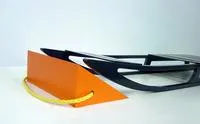
Image: Kim Paton, detail of The Same Bare Place (Stop and Sled) 2004
Making some amends has been the establishment of a City Gallery sidekick - the Michael Hirschfeld Gallery.
'Milky Way Bar: New Wellington Artists'
Courtesy of The Dominion Post
On the Outside in
by Mark Amery
It is easy for an artist in a small city like Wellington to feel even more on the edge of things. Traditionally, dealer and public galleries have been dominated by artists from elsewhere and contemporary public galleries all have national and international mandates.
Image: Kim Paton, detail of The Same Bare Place (Stop and Sled) 2004
Making some amends has been the establishment of a City Gallery sidekick - the Michael Hirschfeld Gallery.
'Milky Way Bar: New Wellington Artists'
Established in 1999 and devoted to Wellington artists, the gallery celebrates its fifth birthday next month. The centrality of younger Wellington artists and new practise to this small space has been clear from the first exhibition, Hothouse Deluxe (a most apt title for the Wellington condition), but what has really made this space sing has been the conscious balancing of this with long-overdue exhibitions of the work of established Wellington artists, (so-called) outsider artists, installation artists and a diversity of designers. This is a space where it has become the expected to be surprised by what has made it in from the outside.
Generally then the gallery has been about bringing the outside in, but Wellington artists can still end up still feeling both on the in and the out. Even architecturally there's the feeling that this is an add-on enclosed verandah - inviting in guests whilst keeping the dirty boots from inside the main house. While the Hirschfeld has built an impressive record of exhibiting local artists in the main gallery, group shows of contemporary New Zealand art have become rarer and few, with the exception of Prospect are curated in Wellington.
Curated by Hirschfeld curator Sarah Farrar, Milky Way Bar amplifies all of this somewhat. It's most directly expressed by Regan Gentry who, rather than actually take up any real gallery space, inserts a measuring tape into the gallery's roller door to literally "get a foot in the door".
These are artists, Farrar states, "united by their shared experience of being an emerging artist in Wellington now". The exhibition shows "what these artists are making, thinking and communicating now." Rather obvious you might think, until you consider this as a city where traditionally artists are treated publicly as residing elsewhere, in a different time and space. Farrar clearly senses there is a need now to state publicly to the contrary. That these are young local artists who share a virtual space, and talk a similar conceptual language when brought together in the same room.
The exhibition takes its title from the poem by Bill Manhire, whose opening line resonates in its contradiction for local artists: 'I live at the edge of the universe/like everybody else. Sometimes I think/congratulations are in order'. If we are a country on the edge, our artists are on that edge's lip and these artists feel even one step further out. They are like everybody else, but not.
This is small, quiet work, with wit and an edge of anxiousness - domestic activities and objects with their own small ironies and (like Gentry's work) little puns. There's a shrug of the shoulders about the idea of 'making it'. When Louise Tulett strings up the words 'No Small Wonder' in Christmas lights it's as if to say, 'congratulations are in order, but who are we to make too much fuss'. Marnie Slater hoists a flag with the word 'Now' embroidered on it. It pops out of a modest papermache-style embankment, like a castle from a game played out in the back bush. Yet it's all painted white - as if this artist is in the act of surrender, or trying to let it fade away into the gallery walls just as it announces its presence. A ladder is included around the back just in case someone else wants a turn at being 'now'.
Working with sensual memories of childhood, Gregory Shark has a pair of sports socks standing to attention and sliding on margarine, like some boarding school prank gone awry, while Ryan Chadfield makes a hat out of his own childhood teeth and those collected from the old Willis Street Dental School (reminding us of the recent loss of another great central artist space). There are no grand statements being made here, rather artwork that calls back to ourselves, our childhoods, and the games we played when we were asked out keep out of mind and out of sight.
It's not hard to come away feeling these are artists for whom catch-cries of 'creative city' and 'arts capital' ring hollow - that they exist like most artists in a space between things. It's there in Farrar's emphasis of the last lines of Manhire's poem: 'I go down to the Twilight Arcade/ and watch the Martian invaders, already appalled by our language, pointing at what they want.' It could be an artist's view of Lambton Quay - consumers shuffling onward who the artist senses are "appalled by our language". Like Marina Cain's sparrows in flight across the walls of the gallery, these are artists as urban dwellers, unsure of their place.
This sense of contained anxiety comes through strongly in the work that stayed with me the most, Daniel du Bern's oddly engrossing video 'Back to Nature'. The artist staggers in and out of the frame hurling cabbages into the undergrowth. We hear the sound of traffic, you can almost smell the seeping of sewerage through the mangy grass, and weeds smother the 'bush'. The artist is engaged in an apparently futile activity, an attempt somehow to make some sense of being caught in the wasteland between nature and culture, the ordinary and the extraordinary, recognition and being forgotten.