Losing the plot
Written by
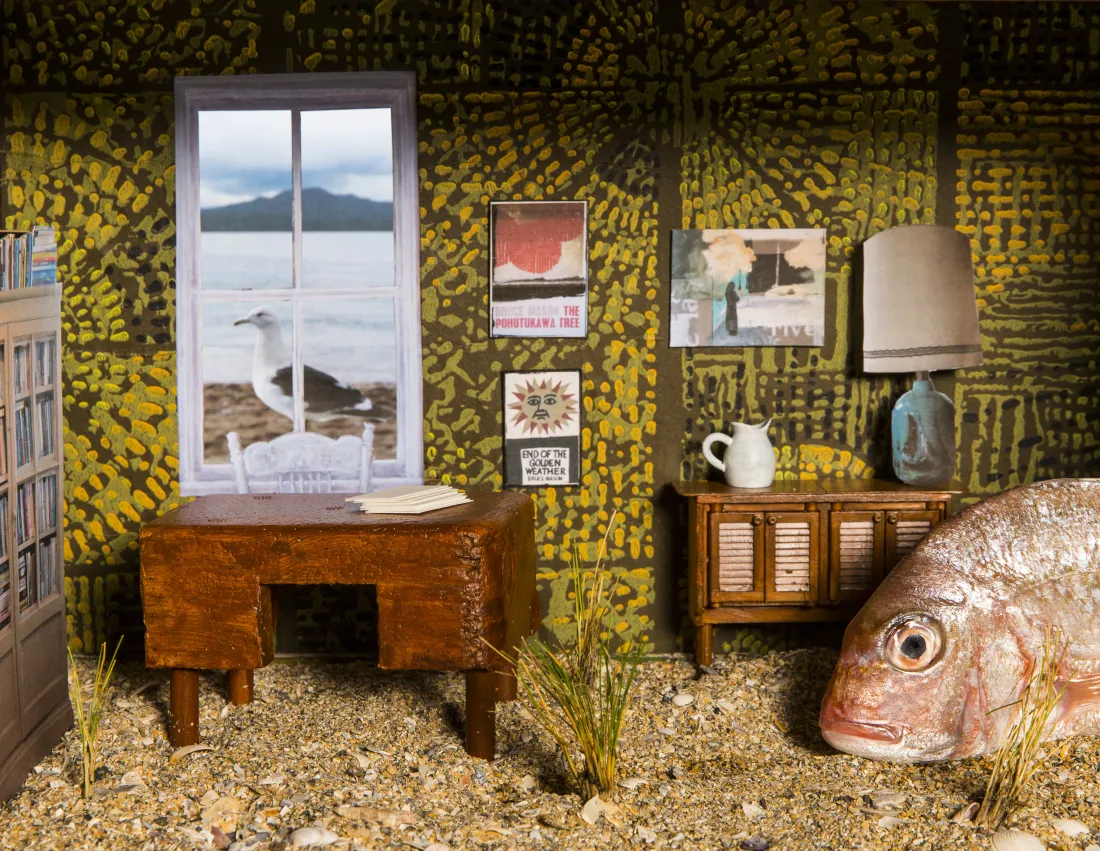
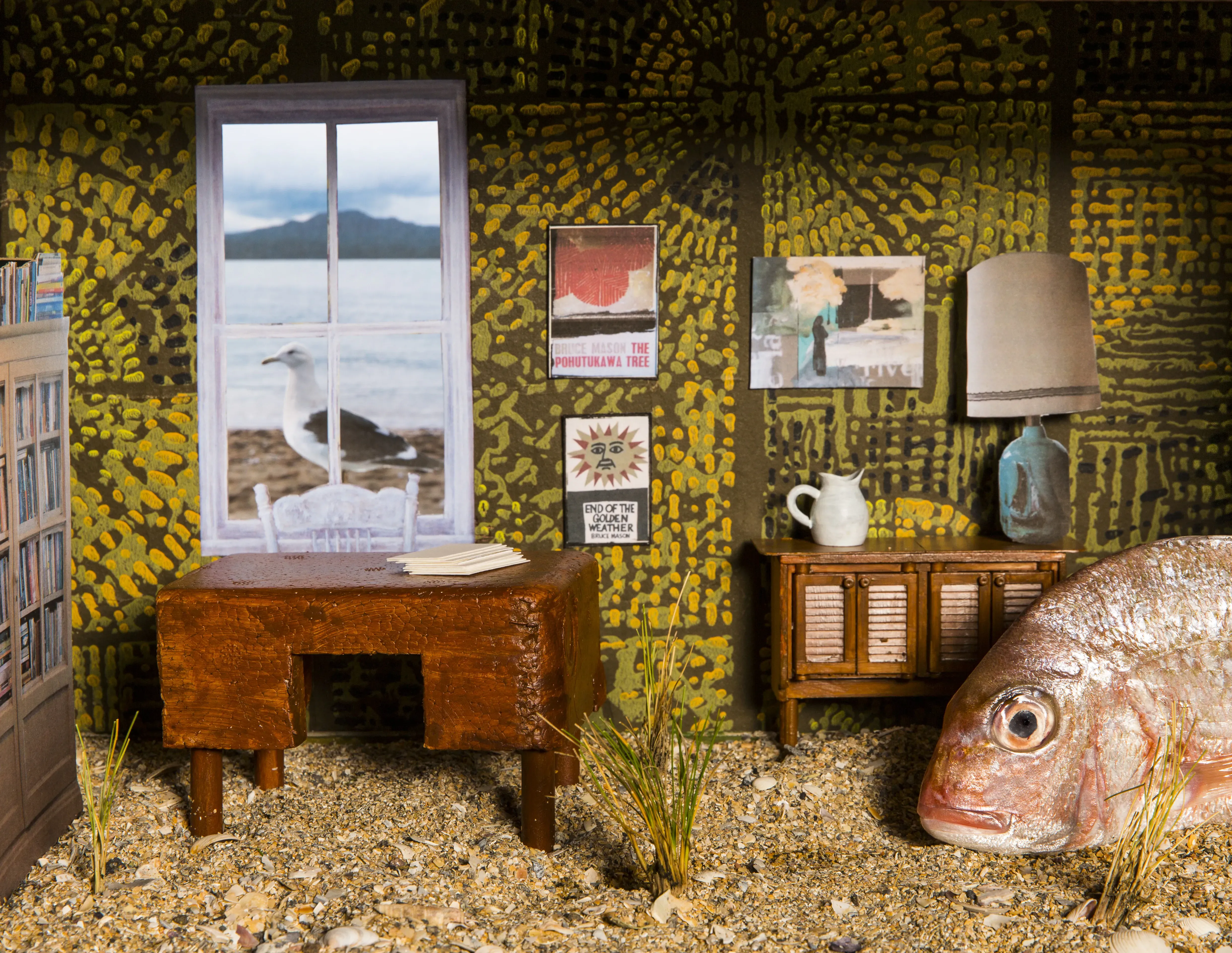
Completely losing the plot, is the delightful but moving absurdist notion behind Carl Bland’s outstanding new play Te Po. Absurdism is married exquisitely, tenderly to realism, exploring the existential crisis that occurs when dealing with grief. Te Po brings new life to the classic New Zealand plays of Bruce Mason, but it equally deserves to become a classic itself.
When you lose someone close to you, your grip on what is fact and what is fiction may well be lost. In Te Po (also appearing at Auckland Arts Festival) we are in the office of the late playwright Bruce Mason. Our three characters are dealing with Mason’s disappearance (playing with the tropes of the detective murder mystery farce) but that they themselves each are from the pages of Mason’s three most well-known plays. They have left the page - become part of Te Po, the great void. They have lost the plot, and in so doing have the opportunity each in their own way to consider where reality is located - the detective (Andrew Grainger), the priest (Carl Bland) and a blind kaumatua (George Henare) .
This is the world as writer’s brain (think Charlie Kaufman), boxing comically around the questions of faith, truth and love, with some magical visual tricks with inanimate objects and puppets along the way.
With many a visual pun, rich with references to artists who like Bland have thought deeply about the solubility of perception, it is immensely clever and delightful and enormously touching (“I’m waiting to be imagined once more,” laments one character). It features one of the finest lines I’ve ever heard in a theatre: “I haven’t read the Greek myths since Police College”. The priest’s terrific last monologue - due itself to become a classic - was written by Bland’s late partner Peta Rutter. All three actors acquit themselves beautifully.
Playing out metaphors, finding sense at sea, these characters find themselves outside of time trying to make sense of it all. Making that soar are a great writer (Bland), Director (Ben Crowder) and designer (Andrew Foster), all at the top of their game.
One quibble – while it’s amusing to see George Henare as a pub Karaoke king between acts (and there’s a conceptual kick) these sections outstay their welcome. The Maori showband as a layer in this work is undercooked.
Funny how life turns out: the Festival work I see earlier that night also deals with grief and living playfully in a world of fiction. As the priest muses in Te Po we spend a great deal of our childhood living so.
Chalk About from the UK is refreshing for the way it is a dance and object theatre show deconstructed. Deliberately losing the plot, stopping and starting and unpicking its own structure in an effort to explore how we create (or ‘draw’) identities, it unfortunately just doesn’t have a strong enough structural backbone to carry it. It doesn’t help that the festival blurb promises participation, with the show opening with children invited to draw chalk outlines around bodies on the floor. But then this isn’t satisfactorily followed through. Throughout, Chalk About feels like a bundle of threads not followed.
One thing that can be said in its great favour is that it appeals equally to children and adults. It respects that children know, understand and should be allowed to explore sadness – a rarity. Ultimately however it feels rather shapeless. Appealing in its humanity, yet leaving me feeling deflated, as if its sadness had overpowered its efforts to make sense.
Later on the same Hannah Playhouse stage, Every Brilliant Thing shares some similar tender disquieting qualities, is based around audience interaction, and can fit its props and set into the performer’s carry-on luggage. Like Te Po it deals with grief and the question of how we keep the joy that makes life worth living.
Our solo narrator’s mother suffers from depression and has repeatedly attempted suicide. As a boy he starts writing a list of things that makes him happy (“every brilliant thing”). He continues this through adulthood, the list growing into the 100s and 1000s, until it become a public project.
The interactive trick of the show is that the reading out of these also becomes a group effort. Set in the round with no set or costume, the audience are triggered to read some of them, and step in to perform the parts of father, vet, teacher and wife.
It’s a sweet, utterly human story carries emphatically by Jonny Donahoe, but rather light on other layers - or plot. Nor like Chalk About is the audience interaction particularly ingenious. Far more interesting, for example, would have been to find ways for the audience to contribute to the list, rather than just be the play’s parrots.
For all its charms Every Brilliant Thing stops well short of really generating the communal creative buzz that would make it itself brilliant. Instead it’s a sweet group storytelling therapy session you could imagine going down well as theatre in education in high schools.
One final note. For an adult audience member the price of these shows ranges between $39 and $69 dollars a ticket. I’d struggle to pay half of that, and the two UK works must be very affordable to mount.
I find the ticket prices unconscionable given the major public funding to festivals like Wellington and Auckland to enable accessibility.
- Te Po, Q Theatre, 25 Oct - 4 Nov 2017, (7pm, Mon/Tue; 8pm Wed-Sat) - book tickets here