Looking Ahead
Written by
By Mark Amery
Where do we come from? What are we? Where are we going? These essential questions form the title of an astonishing Paul Gauguin painting from 1897. A reflection on the meaning of life, Gauguin’s painting is full of the suggestion of symbol, of meaning just beyond reach.
A luminous expression of a mythic beyond, it’s intensely coloured, and composed as if a creeping plant is invisibly entangling everything. Staged as if a dream – at some feverish surreal midnight hour - it is as if the afterlife is in sight. Able to be read as three different scenes, representing the three different questions asked, it’s an audacious story painting.
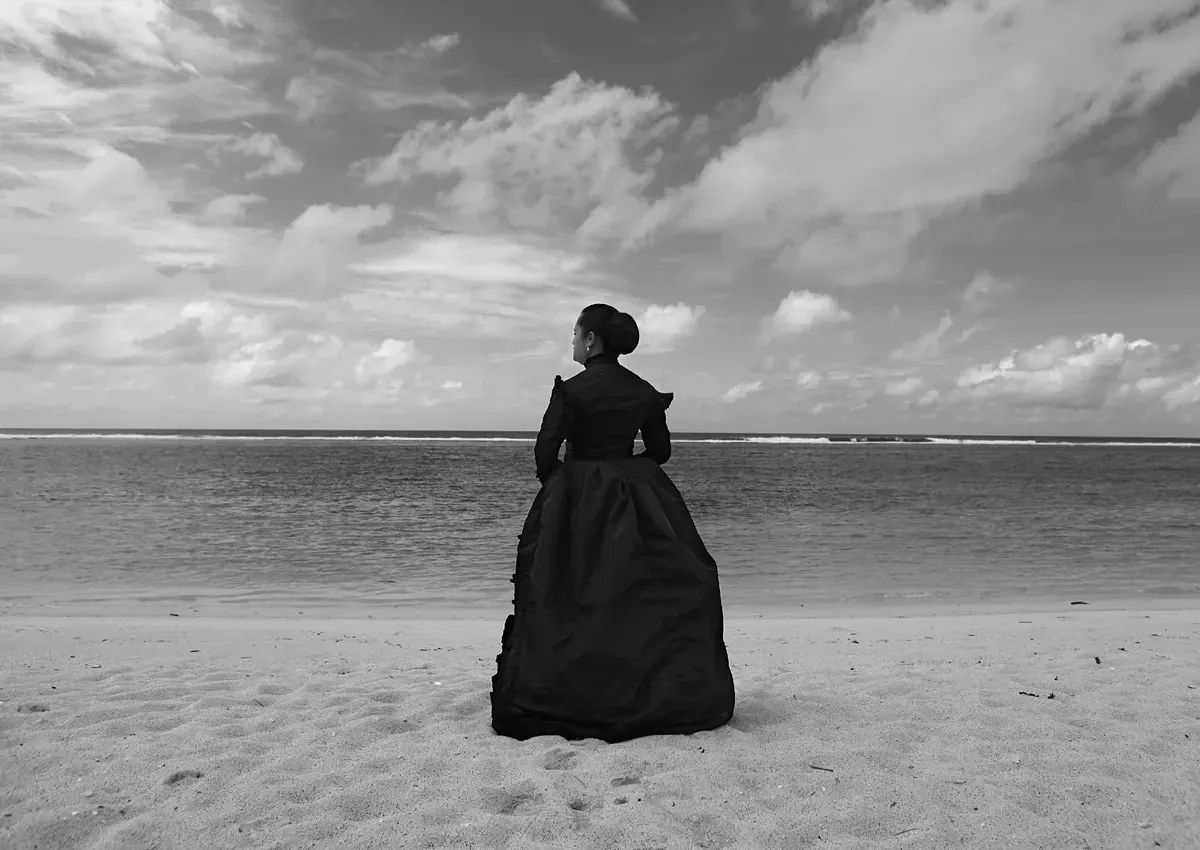
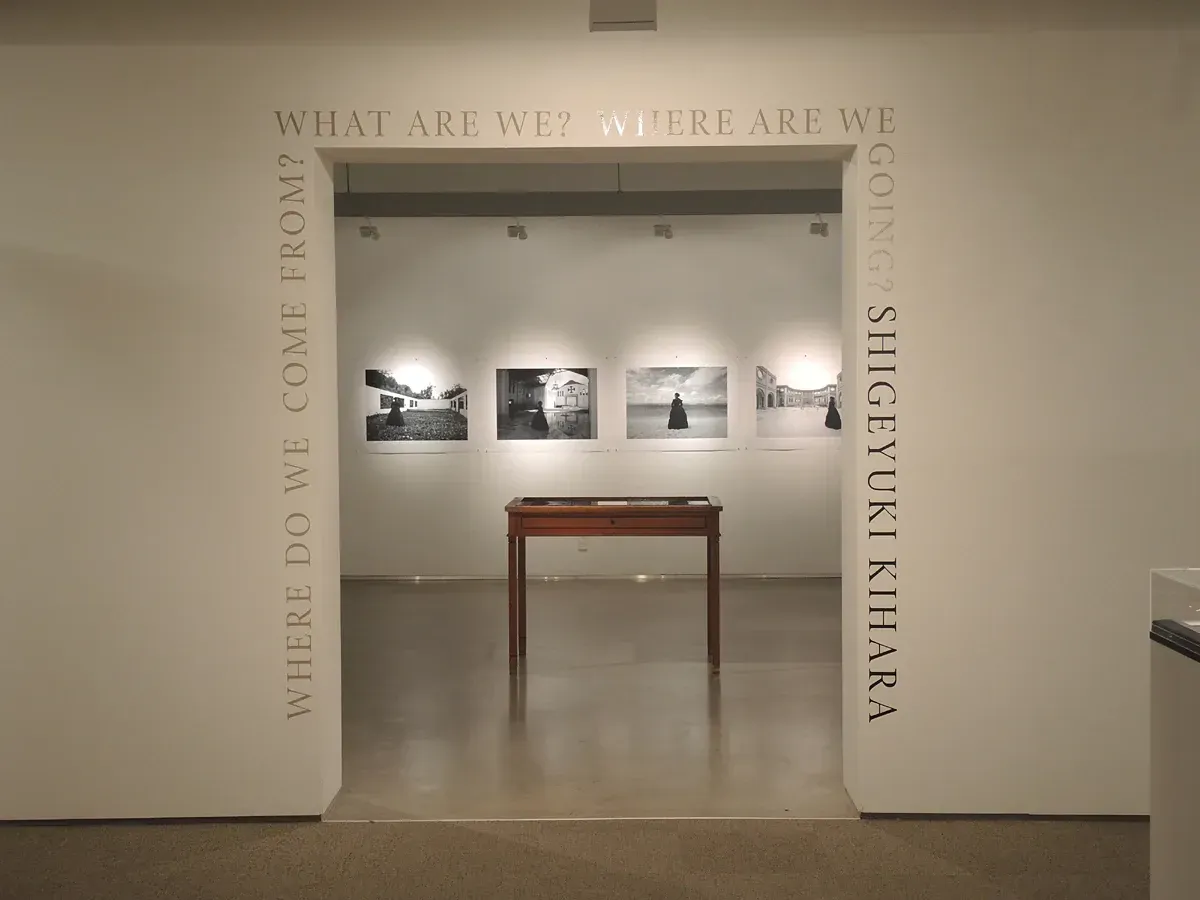
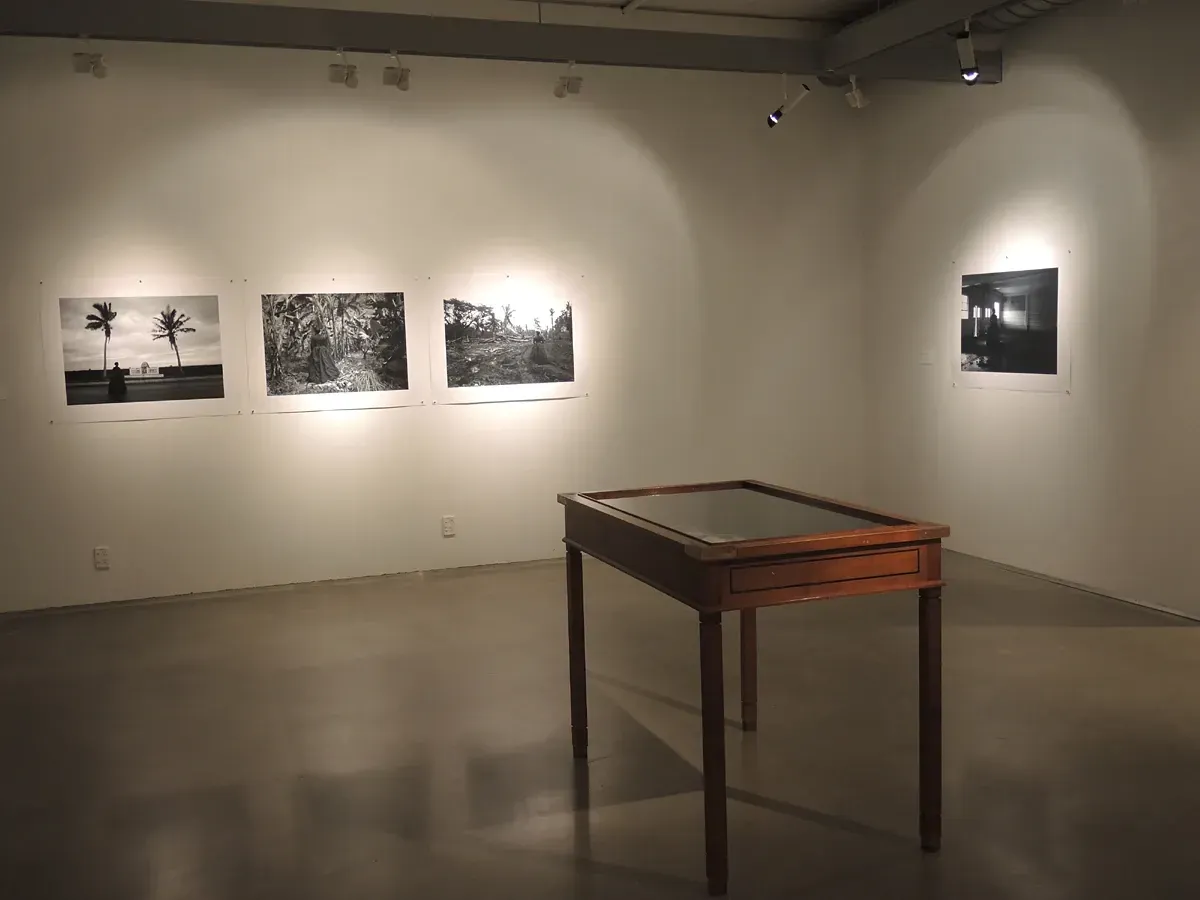
Audacious, luminous and dreamlike are also the suite of photographs of Shigeyuki Kihara that have adopted Gauguin’s title, showing at Pataka. Potent and strong, I’ve keep returning to the depth in their stillness, their gentle open questioning of the world. Kihara asks us to be awake to our future and our role in its shaping.
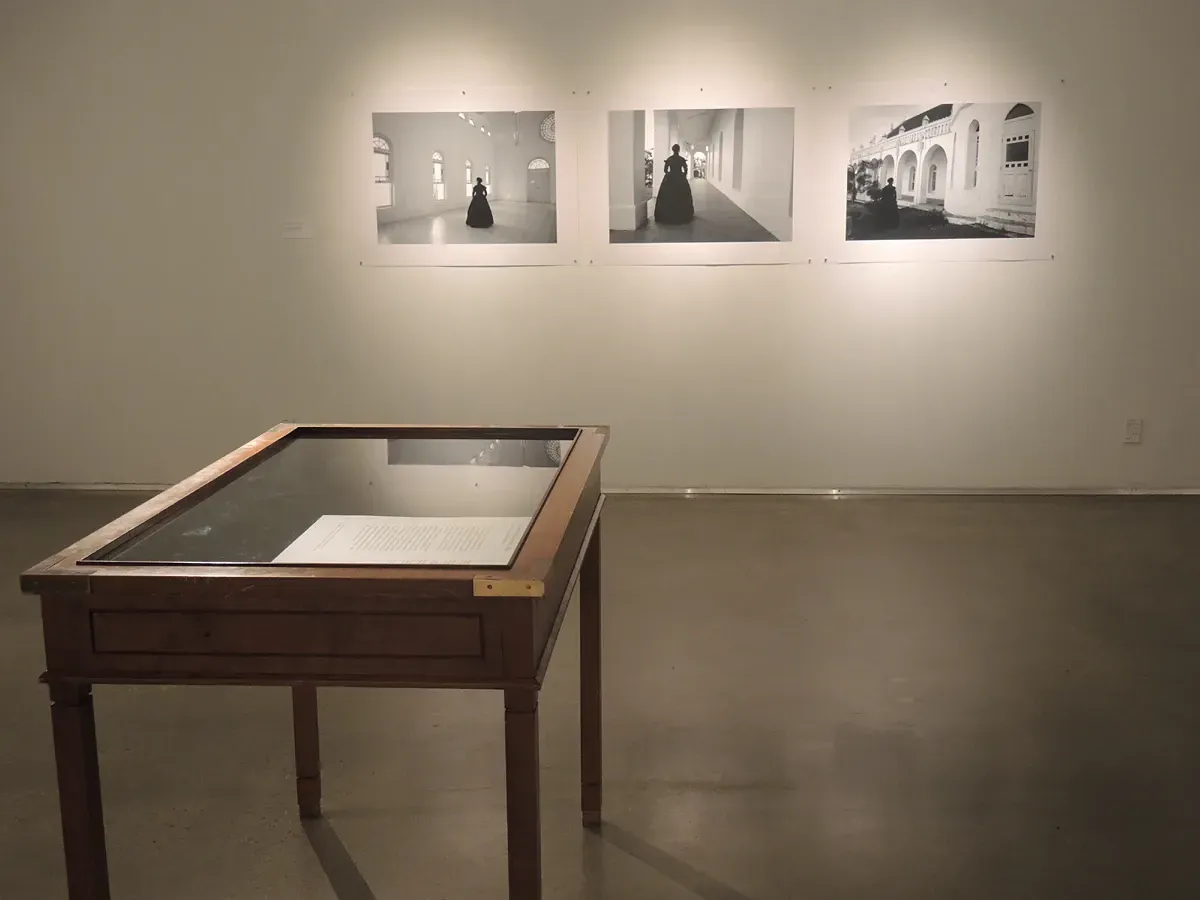
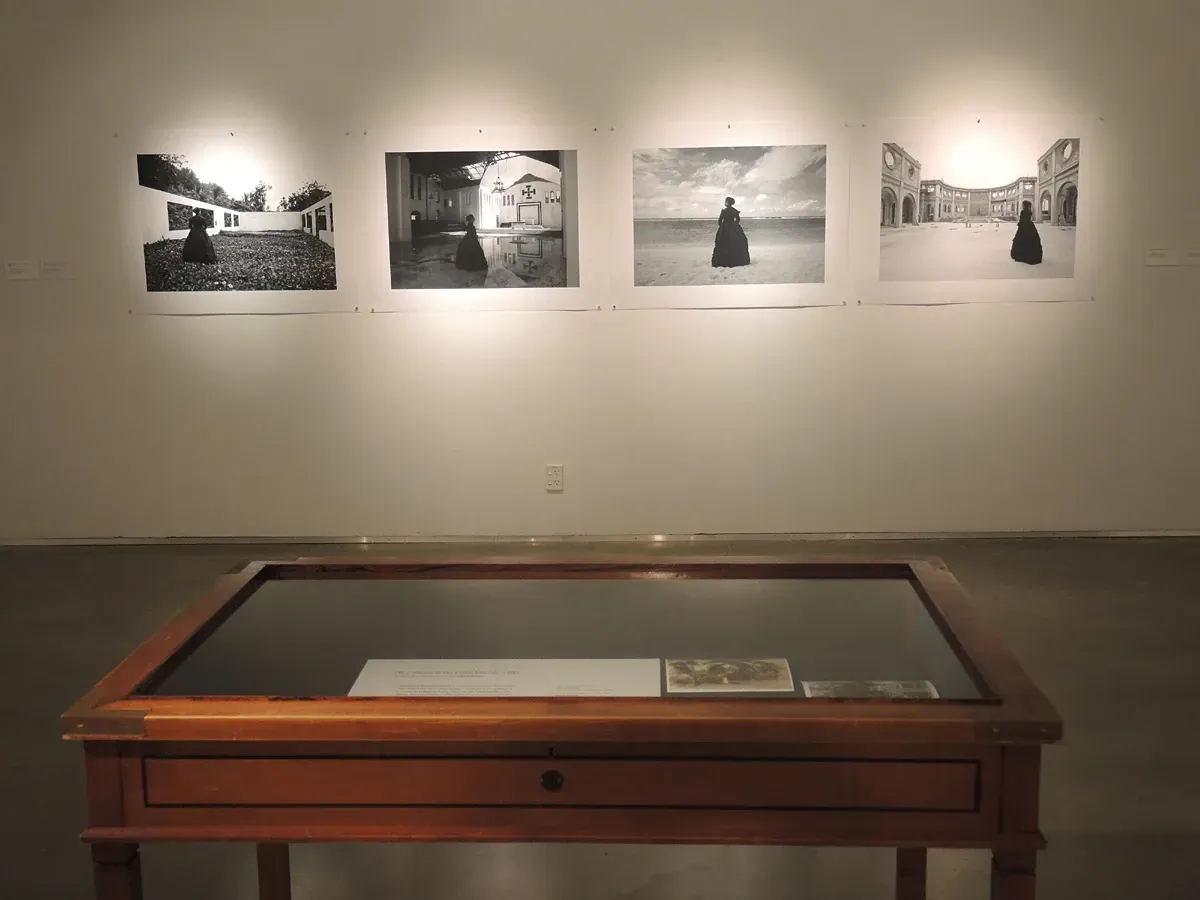
Kihara’s images are also theatrical, with a surreal narrative. She has brought her choreographed performance work into photographic series, each elegantly turning us towards a new scene. As if in a dream, we follow a figure on a walk through sites in Samoa. It’s Kihara herself, in an austere Victorian mourning dress - a character, Salome she has employed through performance and video work. As stills the images feel neither static or stagey. Poised, Kihara is a silent narrator (like the ghost of Christmas’s past, present and yet to come) leading you in. Rather than the subject, or introducer of an object, she is cross-examiner of the presented scene.
Also in the exhibition is a 19th century photograph of a Samoan women in a similar dress. She is labeled as half-caste. Like Kihara. Feeling in-between, dislocated from our roots, looking for a sense of grounding, are a common condition today. The vacated spaces in Kihara’s work are like sets for our minds to wander, arresting us from the everyday.
Rather than Gauguin’s post-impressionist heated colour saturation, the images are stoic and cool in black and white – like some existential European film. Empty of figures or thatched buildings, they counter what we expect a Pacific Island photograph to look like. Well placed in the centre of the exhibition in contrast is a vitrine of 19th century Alfred Burton images of Samoa where, rather than witness, the Samoan is subject in a tropical idyll.
Kihara has previously reappropriated the 19th century objectification of the Pacific, to empower a point of view of difference, yet these works are far more complex in effect. They discard Gauguin’s romantic wistfulness and replace with a sharpened, pensive place in the here and now. Past injuries resonate as shadows, amplifying a stocktake of the present. The works are active and open.
Salmoe visits the ruined grand Roman Catholic Cathedral in Apia in the wake of Cyclone Evan, the lush plant-filled concrete shell of a school-room, after Tsunami Galu Afi, and follows the muddy ruts left by machinery in a desecrated piece of bush. Kihara offers a firm guiding arm into each scene, leaving you to revel in the glistening textures and deep shadows set off by strong architectural shapes, undergrowth, sky and ever present water.
As individual works, like separate film frames, they mostly aren’t as effective. They work well as a series here, where the original number have been culled to a tighter stronger sequence. Missing unfortunately however are one or two images that follow an absent thread here: telling images of global capitalism featuring Aggie Grey Resort Casino, the new Aquatic Centre (considered by many an economic liability), and the baggage carousel at Faleolo International Airport.
- Where do we come from? What are we? Where are we going? Shigeyuki Kihara, Pataka, Porirua, until 25 May
DON’T MISS
- Slow Wave // Signal Hiss, Shannon Reed, Futures Trading Co. 57 Manners Street
This big cabinet down an arcade off Manners Street, outside the People’s Cinema, is a smart new space for installation. Spatially it’s responded to strongly by Shannon Reed in the abstract with a range of found materials, constantly changing over its exhibition. With a kinetic liveliness of energy, the work is like some obscure scientific experiment, experimenting with the weight of found ephemera in public space.