Life on the wing
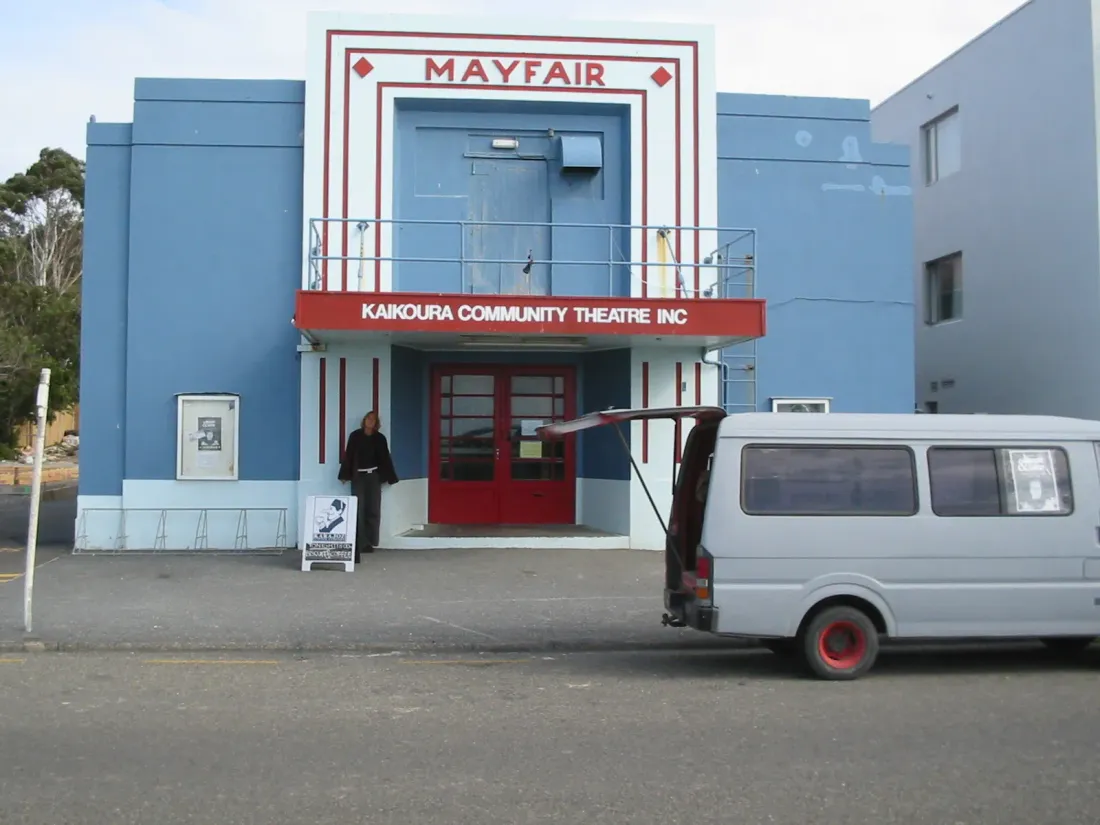
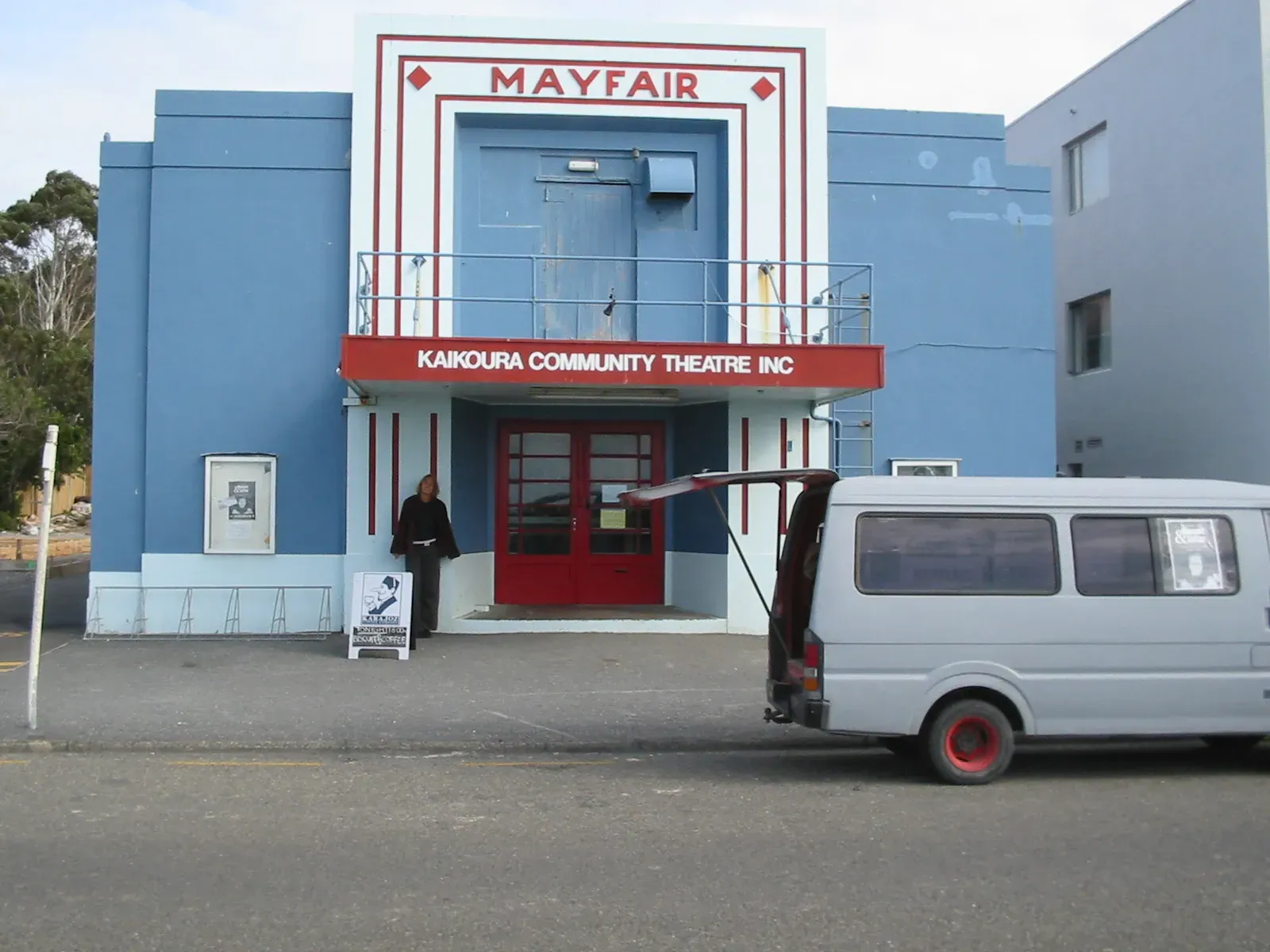
Alex Ellis and Phil Ormsby have run their theatre company Flaxworks for 11 years, establishing a successful niche touring circuit from pubs to large theatres nationwide.
Renee Liang extracts some touring tales and a few trade secrets.
How long has Flaxworks been running and what were you originally intending to do when you started?
Our closing night for Miss Jean Batten is 11 years and two days after the opening night of our first show Biscuit & Coffee. All we really wanted when we started was to find out if we could make something people would actually pay money to come and see. We did a couple of nights in our home town (Tauranga) for family and friends. Then with no touring experience, no contacts and no real idea about what we were doing we bought a van off the side of the road for $400, booked some venues and hit the road. We made all the novice production errors but we learned from each one and six weeks later we came home with $10 and all bills paid. Technically we made money, so on the basis of that we've kept going.
Has that morphed over the years?
Initially touring was just a means to an end. To get some experience under our belts and to practice our craft but we realised pretty quickly how much we loved it. After that first venture we formalised our ambitions; to keep touring in New Zealand and abroad to all sorts of venues and communities. I suppose over the years we've realised that $10 profit is not quite enough to sustain us so we've tweaked and adapted things so we can actually survive. But touring is still a priority.
Why do you tour?
We both like the freedom of being on the road. Which is ridiculous because a tour is a very scheduled, managed, every-minute-of-the-day-timetabled beast. But somehow we feel very free and independent individuals when we are doing it. The excitement of a new place, a new venue, a new audience, it's one big adventure. You meet wonderful people and you are constantly on your toes.
Where have you toured to?
We have performed at well over 100 different venues and many at least twice with different shows. They vary from The Swamp Palace in Oruru to the Hawkes Bay Opera House, from Banco cafe in Te Aroha to Circa Theatre in Wellington, from La Mama Theatre in Melbourne to Whangarei Old Library. We performed in cafés so tiny Alex was almost sitting on the patrons’ knees, we played a 600 seat abandoned movie theatre in a town with a population of 200 and rural community halls where the blackouts were compromised by the moonlight shining through the holes in the walls. We played an exclusive tourist restaurant where we were the cheapest thing on the menu and a tiny rural community on the night of a major rugby final where the eleven ushers outnumbered the audience. We learned not to rely on door sales in places where it might snow – in the summer.
Tell us about some of the interesting places you have stayed.
One night in the middle of winter in the middle of nowhere the van broke down and rolled to a stop outside a lonely motel with a disturbing similarity to the one in Psycho. We've slept in the van, at the homes of kindly audience members and in a derelict nurse’s home reminiscent of the abandoned Hotel from The Shining. We had an entire boarding school at our disposal one long weekend when the accommodation in the town we were playing in was completely sold out due to the National Junior Highland Dancing Championships, and of course, countless backpackers and pubs in varying states of repair and hygiene.
But we have survived to tell the tale and ten years later with a growing repertoire of shows and thousands of miles on the clock, we wouldn't change a thing. We sold the van for $406 (a profit of two coffees!), bought a bigger one and continue to tour further and further afield.
I think of you as a pioneer in small centre nationwide touring... how did you build and maintain your networks?
Pioneers? What a compliment! To be honest when we started we thought what we were doing was normal and it wasn't until later that year we realised it wasn't.
Alex had a rule when we first started. She'd ring a potential contact in a town and if they sounded nice and polite and helpful we'd go there, wherever it was. If we got there and they were supportive and enthusiastic we'd give them a tick and no matter how well or poorly we did we'd go back again. If people were unhelpful or uninterested we'd move on, touring is demanding enough without creating more work for yourself.
One of the best parts of touring is the wonderful people you meet. People have put us up, cooked us meals and we have made lifelong friends. We both feel that touring reminds us how wonderful people are and that's another reason to keep going. We stay in touch with a lot of the people we have met over the years.
What tips do you have for approaching presenters, and maintaining relationships?
All the obvious stuff. If a presenter tells you they're not interested thank them politely and move on. One day you might have something and they'll remember you as that polite person. And if someone is interested answer all their emails and phone calls promptly and clearly. It seems obvious because it is.
What do you need to pay attention to when negotiating a presentation? What should be expectations, and where do you recommend compromise?
Our best relationships are based on a genuine trust long before any contracts are exchanged. Know the person you're negotiating with, know what they are looking for and what the industry norm is and know where you fit into all that. You need to know what your bottom line is and stick to it. A compromise is usually something you do for a long term goal, so if you are compromising know why you are doing it.
At what stage in a work's life do you plan the tour?
I think we imagine touring all our work but we never think about it seriously until after the first season, partly so we can be confident and partly to give potential presenters a chance to see the work.
You've made money on your tours. How?
Budget, budget, budget. We're both really terrible at it but if we don't do it properly, we don't eat. So we don't sell ourselves short unless there's a really good payoff further down the track (see compromise). But we are imaginative people so wherever we can, we try hard to make a tour work because we really do love it.
Tell me why you chose to make your latest work about Miss Jean Batten.
She was the consummate tourer. We see her plane in the international terminal every time we head overseas and we love the idea of this person in 1930's Auckland saying I'm going to learn to fly and then I'm going to navigate my way from England to New Zealand using a map and a compass and a watch in a plane made of wood and canvas. Yeah, why not?
What are your plans for the work once you've premiered in Auckland?
Of course we'd love to take Miss Jean Batten on the road. All of New Zealand needs to be reminded of how amazing Jean Batten was. Really we'd love to retrace Jean's flight across the world and retrace her speaking tour circuit in New Zealand, Australia and England.
You are partners in creativity and in life. How do you keep it sweet while on tour?
We are happiest when we are touring so, if anything, the touring is good for the relationship!! Let's go!
-
Miss Jean Batten is at Basement Theatre, Auckland, until April 9.