Keeping it real
Written by
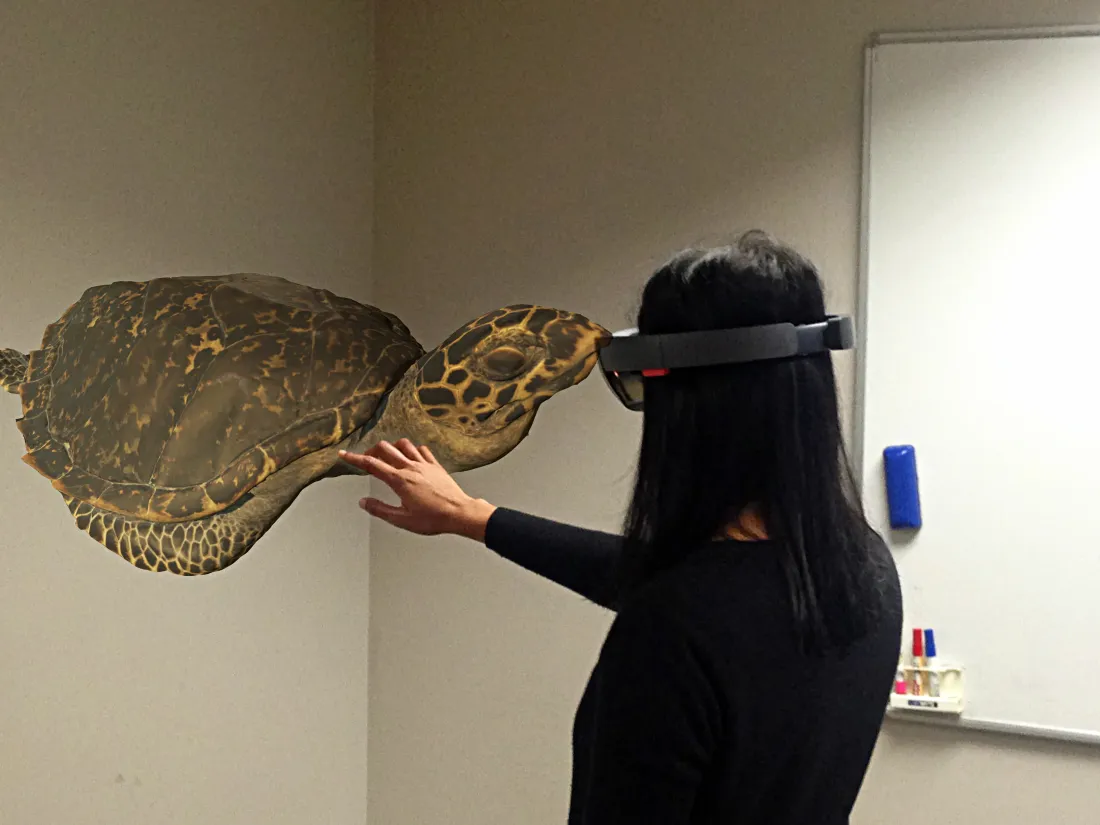
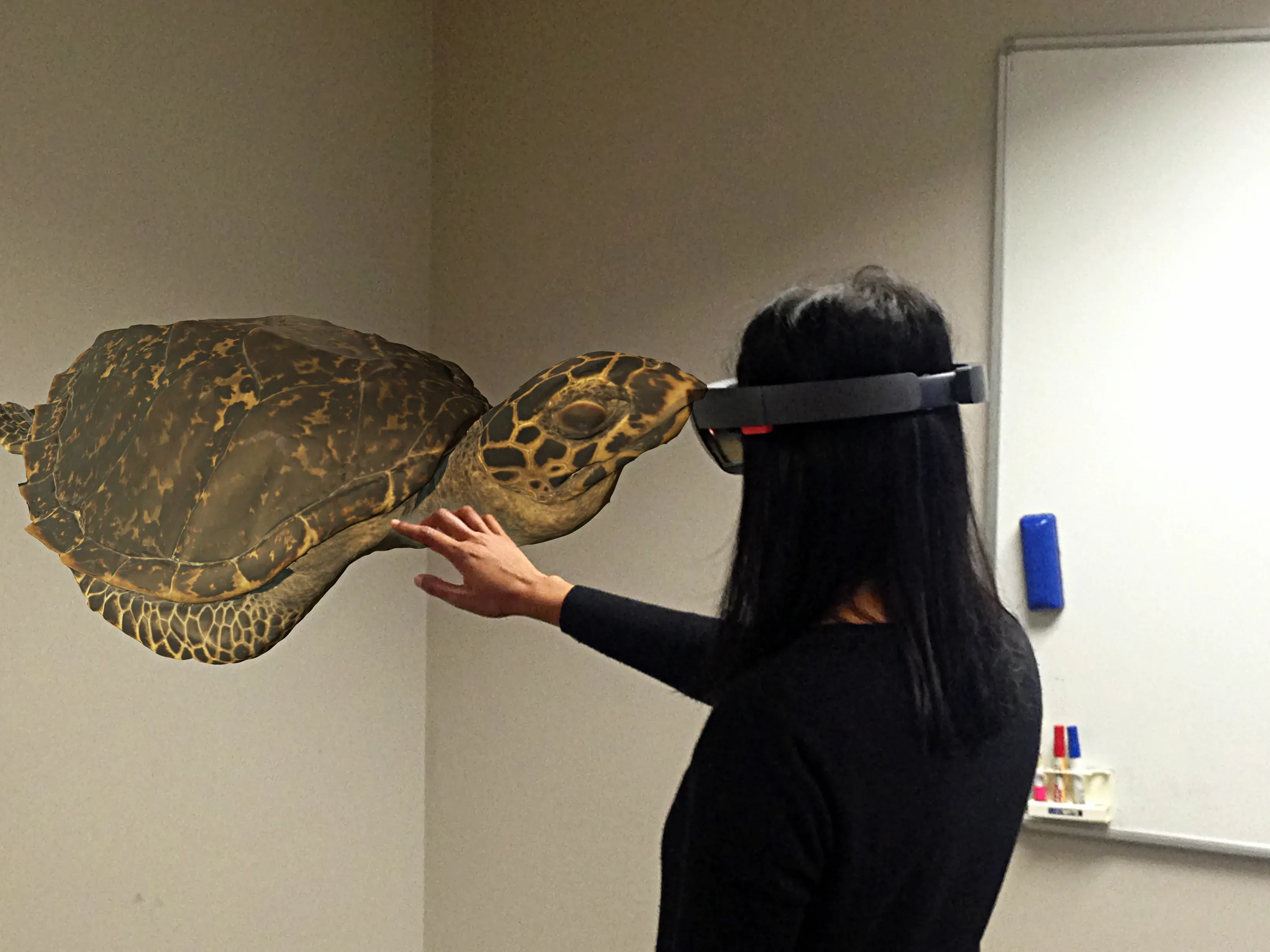
Along with being the kaitiaki of their collections, museums are in the business of storytelling. As AR, VR and 3D takes off the potential of these unprecedented tools for the GLAM sector is huge, says Nils Pokel.
As the Auckland Museum digital experience manager, or ‘resident futurist’, Nils is often horizon scanning and says the time is now to experiment and meet the increasing demand.
“It’s about striking the right balance between experiences people can’t have anywhere else, meeting their basic digital needs and staying true to our own essence as a museum – not easy but a great challenge!”
Nils will be joining an interdisciplinary panel exploring the opportunities and implications of 3D digitisation at the National Digital Forum in Wellington this month.
“I believe 3D digitisation and things like AR/VR will have huge effects on our society in general, which of course includes museums, too. Other than saying ‘it’s going to be big’ it is very hard to gauge where things will be going – but that is reason enough to try and front-foot this trend.”
What aspect of your work gives you the biggest thrill?
I just love the unique diversity that you get working in the GLAM (Galleries, Libraries, Archives, Museums) sector and a large museum like ours in particular – the diversity of people, cultures, stories, objects, and challenges is second to none. This mix of a truly inspiring environment and the ability to work at the forefront of emerging tech makes for a pretty thrilling workplace!
Tell us a bit about your creative and digital background.
Trained as a Digital Media specialist in Germany I worked as a multimedia producer and freelance motion designer for several years, mostly on eLearning projects while pushing my own creative practice on the side. Looking for a lifestyle change brought me and my wife to NZ in 2007 where I scored a job as Creative Director which meant we could stay.
Tell us about your role at Auckland War Memorial Museum.
I joined the museum sector some five years ago and have been in the Digital Innovation Strategist role for about three. Recently I shifted roles and am now the Digital Experience Manager, effectively putting all the R&D work into action. The role is very much about piloting and evaluating new digital technology and seeing how it can apply to the work we do at the Museum now and in the future, both in terms of great visitor experiences and back-of-house processes. A lot of what I do involves horizon scanning what’s out there and bringing it back into the organisation – kind of like a ‘resident futurist’, really.
What are some of your recent and upcoming projects at the Museum?
Auckland Museum has recently embarked on a major piece of work that will see the renewal of a number of its permanent galleries over the next few years. Naturally, ‘digital’ will have a big part to play in future visitor experiences so this is a really exciting opportunity for us to take a step back and think about where we want to be and how we can get there. It’s about striking the right balance between experiences people can’t have anywhere else, meeting their basic digital needs and staying true to our own essence as a museum – not easy but a great challenge!
What are you talking about at the National Digital Forum?
We will be running an interdisciplinary panel on 3D digitisation of objects (as opposed to spaces). As the technology matures we can see a lot of experimentation happening, which includes some great examples of cultural institutions, but the reality is that in many cases we are all still figuring out how it all works and what it means for our sector – the potential is huge. With things like 3D printing, AR and VR taking off we can already see an increased demand in 3d content and it seems natural for GLAMs to prepare ourselves to meet this demand – after all we are fortunate to hold some truly amazing objects and stories. So this session is really just about starting a conversation and take a moment to share our journey.
2016 has been dubbed "the year of Virtual Reality". What’s the role of VR and AR in museums?
Apart from being the kaitiaki of their collections museums are in the business of storytelling. AR and VR have seen a steep rise in uptake in the recent months, reaching a level of technical maturity and mass appeal that makes it an interesting tool for museums to aid telling their stories. A number of museums around the world, including Auckland Museum, are experimenting with these new ways of bringing their objects and stories to life. AR forms a wonderfully intuitive way to provide additional layers of context and VR is unprecedented in its ability to immerse visitors in an experience, be it exploring a Minecraft rendition of Gallipoli or experiencing the pain of climate change through the eyes of a coral.
Where are (museum) 3D objects used now and where are things going? What are the 'big guys' doing?
There are a number of quite different use cases for 3D scanned objects in museums. Firstly, there is the aspect of ‘digital preservation’ of objects which has multiple facets, from storing a digital back-up copy to creating custom mounts for storage or display. Then there is the ‘increasing access’ side, again with various scenarios spanning from improved scientific research, touchable 3D-printed replica for blind audiences, AR games or even fully virtual museum experiences. Large overseas organisations like the Smithsonian, Fraunhofer Institute and British Museum have embarked on ambitious digitisation projects and are sharing their progress online.
What are the implications, opportunities and threats?
I believe 3D digitisation and things like AR/VR will have huge effects on our society in general, which of course includes museums, too. Other than saying ‘it’s going to be big’ it is very hard to gauge where things will be going – but that is reason enough to try and front-foot this trend. As we plan the development of permanent galleries or even entire new museums, what can we do today to lean into and actualise this emerging future? What steps can we take now to cater for these truly disruptive shifts in visitor behaviour, expectations and learning models? How can we best learn and adapt these unprecedented tools to help with our storytelling? Ultimately, do we need to start worrying about staying relevant in the first place, with suggestions 'VR will break museums’ - or is it all just a fad anyway? And how do we feel about visitors scanning any object they like using just their smartphone (which is already possible)?
What's your number one business tip for surviving (and thriving) in the creative sector?
I think it’s important to stay fresh and keep playing with tech and explore new possibilities. I can really on speak for myself but, as a client, I am always on the lookout for those emerging talents that could give us an edge – if they can demonstrate that they can deliver a robust (and kick-ass) experience that is intuitive and exciting at the same time. So it’s important to get your work in front of people, be persistent and thick skinned if it doesn’t work out the first time. I get inundated with ideas and pitches which sometimes makes it hard to keep track over time – so it is all about the right timing! But to take things to the next level, get into business and thrive at it takes skills, too. To me this boils down to a realistic assessment of a project, clear and honest communication, and good process.
What’s your big idea for 2017?
Where do I start?! To stay on topic, I am expecting to see more serious applications of AR and VR, digital experiences that transcend beyond pure entertainment value and fundamentally change the way work, communicate, live. Also, I think Mixed Reality will start to become more prevalent with a number of headsets announced to be released soon (Magic Leap, anyone?).
I for myself plan to devote more time to my bees for a good dose of Real Reality – because it’s all about balance ☺
Nils on Twitter, Auckland War Memorial Museum, National Digital Forum