Fuelling NZ theatre in Hamilton
Written by
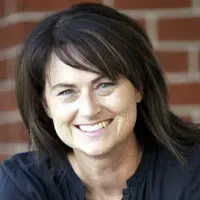
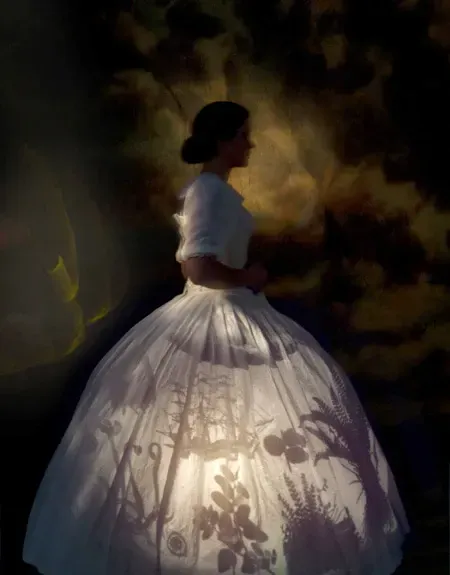
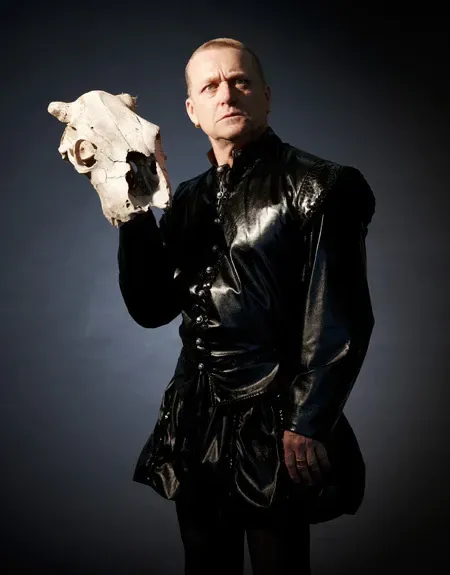
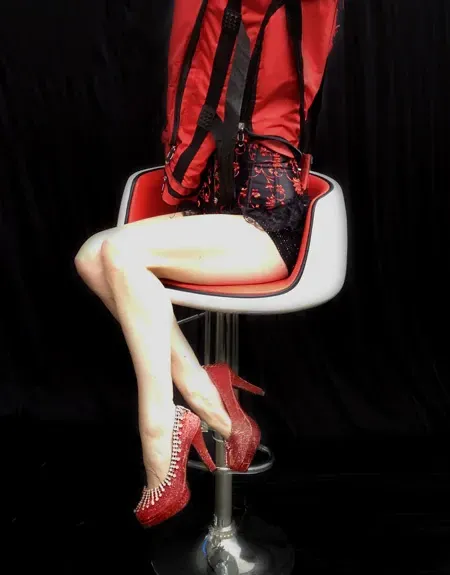
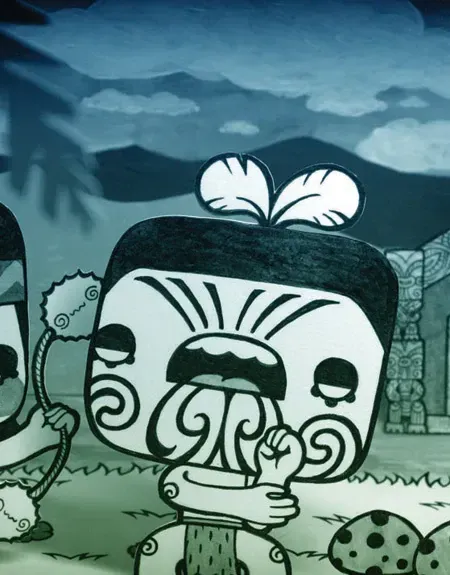
Knee-deep in the middle of the FUEL Festival in Hamilton, the new director Sarah Nathan takes time out to tell us about some highlights and its unique role as the only theatre festival that exclusively features NZ work.
“This gives Hamilton a point of focus and drawcard to attract great work to the city, that might otherwise find it financial unviable.”
Tell us a bit about the Fuel Festival and how it has evolved?
FUEL started in 2000 in Hamilton as a new millennium project that recognised the need for a theatre festival that celebrated and was significant in showcasing a developing the very best of NZ Theatre.
The founding Director was Christian Pilditch who grew up in Hamilton and had a clear vision and passion for developing performing arts in the region. It has traditionally been a bi-annual theatre festival, and in the off year has hosted a music festival in the city.
Why is it important for Hamilton?
Because it is unique in its position of being the only theatre festival that exclusively features NZ work. This gives Hamilton a point of focus and drawcard to attract great work to the city, that might otherwise find it financial unviable.
There is a strong theatre culture in the city, however it is often hard for touring productions to make it work here. It is important as it also is a representation of Hamilton City Council’s support and prioritisation of the arts. Also, festivals are a key activator in an audience development strategy – allowing an audience to mentally diarize and anticipate a theatrical experience, despite not knowing exactly what the experience might be.
What does your role as Festival Director involve?
Pretty much everything! Sponsorship and funding, research, theatrical programming, marketing, financial management, artist liaison. At festival time we have a great team – production manager, technical manager and a multi-tasking intern. Its such a relief when they come on board and pretty much take over.
Tell us a bit about your background.
I've always been involved in theatre, mostly as an actor, but have also produced a number of productions as well. When I moved to Hamilton 10 years ago I decided to get heavily involved in theatre and the arts and to try to make a real contribution. My professional career up until four years ago was mostly in marketing, communications, business management and organisational development. Taking those skills and my arts background into a festival directors role felt like coming home.
What are some of your other recent and upcoming projects?
We are knee deep in FUEL Fest right now and simultaneously putting the finishing touches on the programme for the 2013 Hamilton Gardens Arts Festival.
What's your number one business tip for surviving (and thriving) in the creative industries?
Eternal optimism, enthusiasm and energy. You have to be steadfast in your belief that a thriving arts scene means a better community for all. And you need to be able to articulate just why that is in a nifty elevator speech.
What are some of the highlights of Fuel?
On the Upside Down of the World from ATC opened the festival and was adored by audiences. We are closing with Frequently Asked Questions with Michael Hurst which is selling very well. Cirque Non Sequiter by Dust Palace sold out almost immediately. Ka Hao Te Rangatahi is a new work for children by Smackbang Theatre. Completely in te reo, with an english interpreter – is beautiful in its simplicity, and a landmark work in using theatre to break through barriers in bi-lingualism.
Do you compare or collaborate with other festivals in NZ and internationally?
Yes, FUEL is an active participant in the ‘league of NZ festivals’ who meet regularly to share ideas and discuss new and emerging work. Obviously FUEL doesn’t work with international festivals being NZ works festival.
How do you measure success of the Festival?
FUEL is part of a nationwide audience research programme which measures satisfaction levels as well as demographic statistics. If patrons rate the quality of theatre as excellent, then that is our most important measure of success. Closely followed of course by financial success. I'm not sure that many festivals make profit anymore, but to reach our financial and percentage of box targets defines success from a logistical perspective.
What are some future plans for the Festival?
The FUEL Trust needs to re-group once the festival finishes in July to determine the how FUEL will grow in the future. It is my personal hope that it becomes an annual theatre festival for the region.