From the ruins, something glorious has emerged
Written by
Written by Simon Prast, Actor and ATC Founder
*Taken from Auckland Theatre Company 2016/17 Season Brochure
Twenty-five years ago, the Mercury Theatre closed its doors for the last time. March 19 1992. I was there that night, preparing for the next performance of a play called (portentously as it turned out), Glorious Ruins.
Men in suits went through the theatre asking us all to collect our personal belongings and leave at once. In a matter of moments, we were all out on the street. The irony was the street had just be renamed Mercury Lane to promote the theatre. But now the Mercury was closed and there we all were, literally out on the street: a confused, chaotic crowd of suddenly-unemployed actors, backstage crew, front-of-house and bar-staff, a parrot and a goat (these last two had been appearing in the main stage production of The Rose Tattoo).
None who was there will ever forget that night. Founded in 1968, the Mercury had been an institution: New Zealand’s largest theatre company, with an extensive artistic track record, a large and loyal subscriber base and a network of long-nurtured relationships with sponsors and funding bodies. Suddenly, even shockingly, it was all over. Talk about Glorious Ruins!
Auckland was getting a reputation. Not long before, Theatre Corporate had closed and in the dead of night, His Majesty’s had been demolished. The jokes came thick and fast. Q: What is the difference between Auckland and yoghurt? A: At least yoghurt supports living culture.
Closer to the truth was that the city was changing. The Aotea Centre had opened and was hosting big new shows from overseas. Meanwhile, down on the waterfront, the Watershed Theatre was forging a name as the home of exciting new and alternative work. But could Auckland sustain an ongoing mainstream professional theatre company? And now that the Mercury was gone, what form would such a theatre company take? Where would it put on its work? What would it be called? So many questions! On behalf of the many made jobless that night, a few of us set out to discover some answers.
First things first. We secured a new name and organised ourselves into a legal entity. The Auckland Theatre Company would be a limited liability company overseen by a governing trust board. Jim Macaulay, the recently-retired CEO of a major bank (and the father-in-law of the company’s first production manager, Teresa Sokolich) was our founding chairman. As we worked away devising the Company’s inaugural season, Jim found us free offices in the central city for our operational base and rehearsal space.
Throughout his six-year tenure, Jim served as our guardian angel and without his patience, passion, guidance and vision, it is doubtful we would have progressed beyond wishful thinking. He got ‘the big idea’ and put his name and reputation on the line to make it happen. I remember accompanying him to a meeting with a CEO in search of sponsorship. “How much do you need, Jim?” “$20,000.” ”Done.”
At an early a trust board meeting when it became clear the Company was $8,500 in the red, Jim whipped out his cheque book and covered the deficit. Happily, we made it through the tight spot and were able to repay his extraordinary act of faith and generosity.
On March 19 1993, a year to the day after the Mercury closed its doors, Auckland Theatre Company’s first production opened at the Watershed Theatre. The world premiere of David Geary’s Lovelock’s Dream Run was directed by Raymond Hawthorne. At the same venue, we immediately followed up with Michelanne Forster’s Daughters of Heaven, directed by Colin McColl. Raymond and Colin remain two of New Zealand’s most senior theatre practitioners and their participation from the outset signaled the new Company’s artistic ambition.
Year on year after that, we expanded our playbill, grew our audience and built our brand, gradually adding larger venues to the mix - from the Herald Theatre’s 180 seats to the Maidment’s 440 seats to Sky City’s 700 seats.
In 1999, we produced our first musical: Cabaret. Soon after that, initiated by Oliver Driver, we added Second Unit and an Ambassador Programme to foster young talent entering the profession. By the time I left in March 2003, many of the questions raised a decade earlier had been answered. Auckland could more than sustain an ongoing mainstream professional theatre company. Indeed, by 2010, Auckland Theatre Company had evolved into New Zealand’s largest theatre company and one of the country’s flagship arts organisations. All it needed now was a home. Which of course, brings us to the present day.
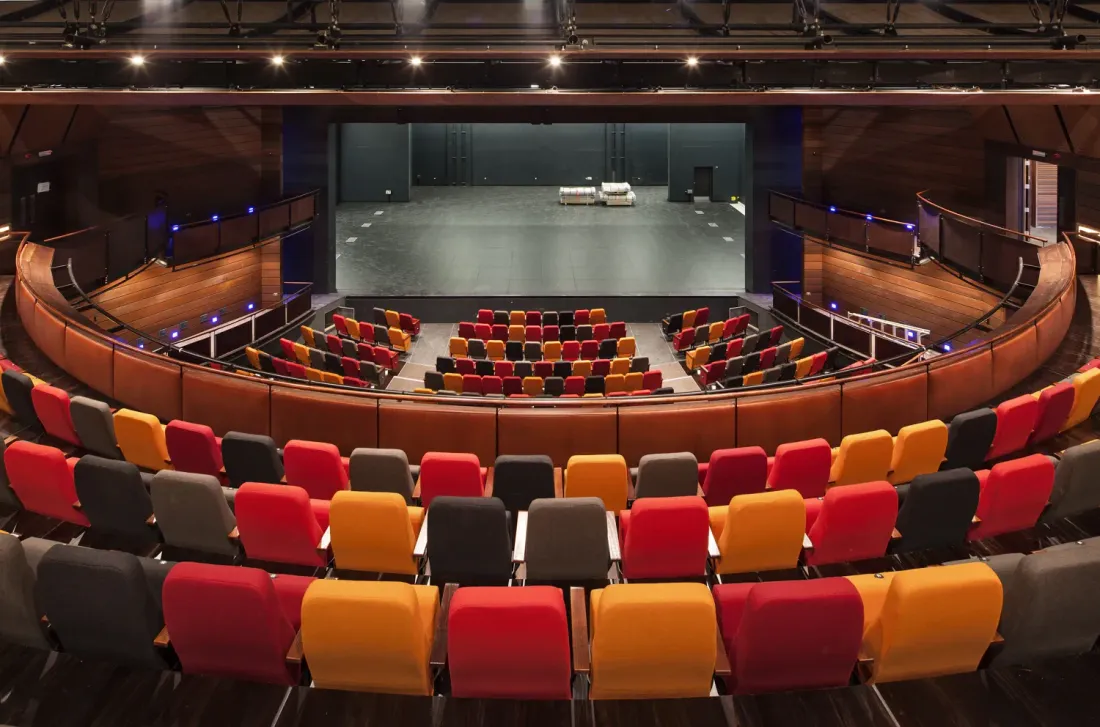
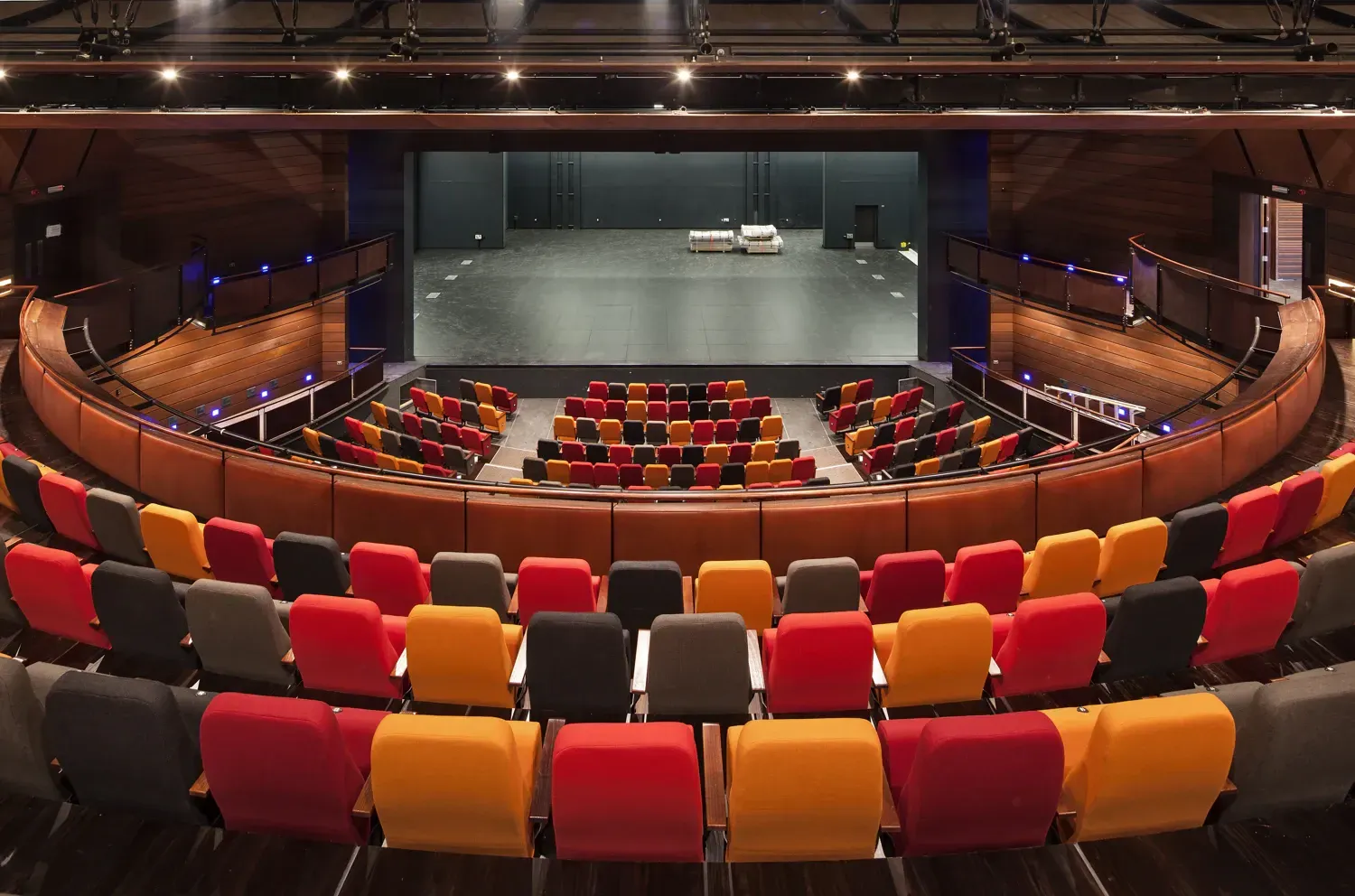
In the Auckland Theatre Company production of Billy Elliot The Musical, presented by ASB, a whole new generation of actors is about to take the stage. In fact, it’s a whole new stage: the purpose-built, state-of-the-art, world-class 668-seat ASB Waterfront Theatre. A quarter century after the Mercury closed its doors for the last time, Auckland Theatre Company at last has a home to call its own.
Designed by the company’s current chairman Gordon Moller, the new space is at once epic and intimate, daring and dramatic. For the city’s artists and audiences, it is the fulfillment of a long-held dream: a place of aspiration and inspiration, employment and enjoyment.
For those of us cast out into Mercury Lane those many years ago, it is especially gratifying and on their behalf, I offer my whole-hearted applause to Colin McColl and Lester McGrath and the team at Auckland Theatre Company; to Barbara Chapman and her team at ASB; to AUT; to Auckland Council; to Creative New Zealand; to every patron who purchased a seat; indeed to all who made it happen: it is a remarkable achievement that augurs well for Auckland and the art form we love and serve. From the ruins, something glorious has emerged and a new era has begun.
Bravo! Bravo! Bravo!
*Courtesy of the Auckland Theatre Company 2016/17 Season Brochure