Falling through the cracks
Written by
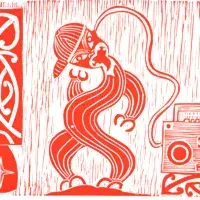

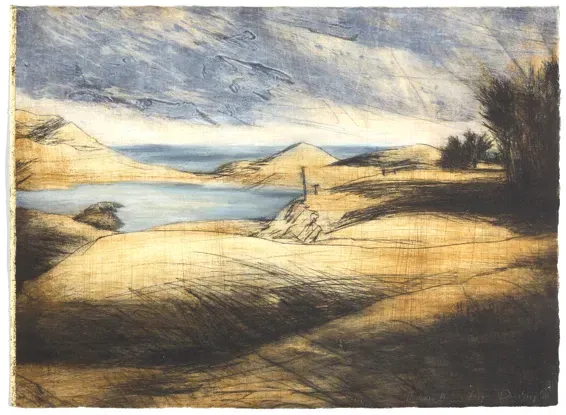
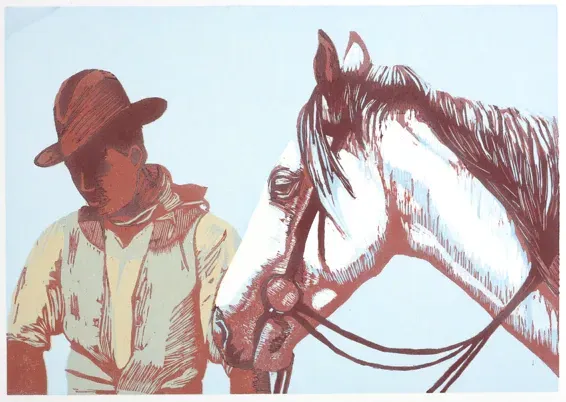
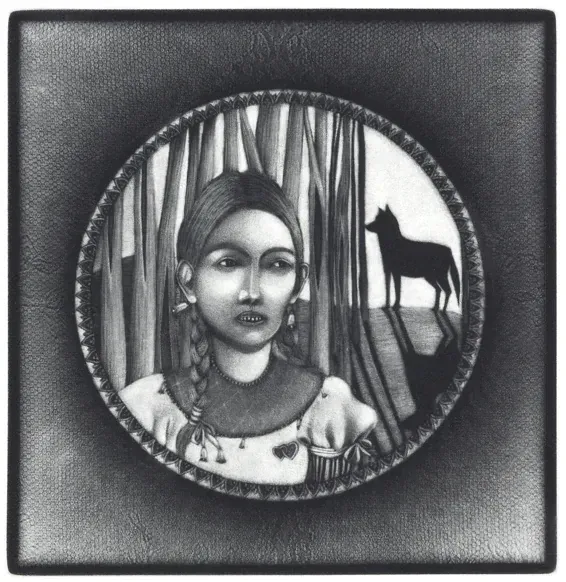
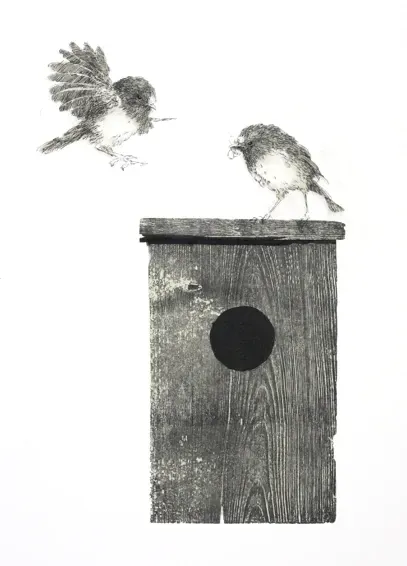
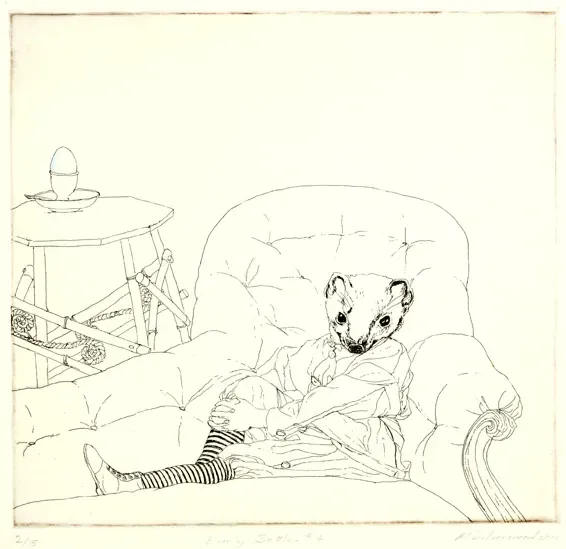
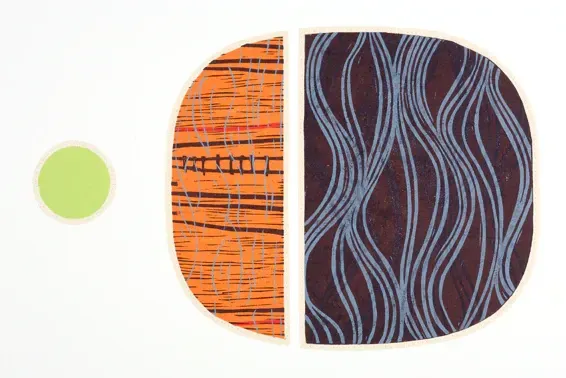
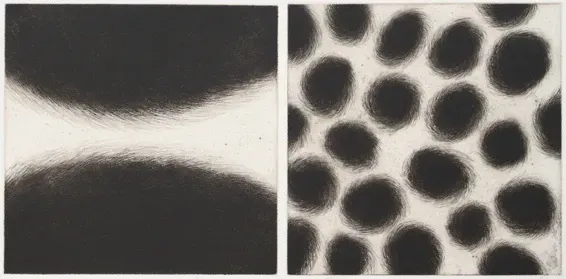
An exhibition of Australian printmaking highlights a lack of public support for works on paper artists in New Zealand, says Mark Amery in his latest visual arts column.
* * *
Pop into a public art gallery and you’ll be lucky to see a work by a New Zealand contemporary printmaker.
Yet pop into Solander in Wellington, Paper Graphica in Christchurch, or Paper Works Gallery in Napier and you’ll likely be impressed by the number and range of artists dedicated to finding new ground in etching, stitching, embossing, printing, painting and drawing on paper. For most this is their medium, not some secondary activity designed for the sale of affordable editions alongside their painting or other principal work.
Private galleries are championing these artists in the absence of their collection and presentation by publicly funded institutions. In a small country, these artists are falling through the cracks in terms of public recognition and the national memory.
Currently showing at Northern New South Wales public gallery Tweed River Art Gallery until 1 May, Solander is showing an interesting survey of contemporary New Zealand printmakers (alongside an touring exhibition initiated by Tweed River of New Zealand painter Euan McLeod). The exhibition is being funded by the Australian gallery, and was declined funding by Creative New Zealand. You’d hope we’d see the exhibition tour through New Zealand regional galleries on its return, but don’t hold your breath. It’s been a long time since I can recall a public appraisal of New Zealand printmaking.
There is a big disparity between New Zealand and Australia here. Solander co-director Vincent Drane notes that public institutions across the Tasman, from the National Gallery to regional galleries, actively collect works on paper by emerging artists. Currently Solander are showing a selection of works on paper from the archive of hundreds of commissioned works by the Print Council of Australia. For thirty years the council has been annually commissioning a group of selected artists, now numbering eight to create a limited edition of prints (an archive of these can be viewed on the council’s website).
Over 400 individual collectors, and many public museums, schools and galleries subscribe to the program, committing to purchasing one of these prints and building their works on paper collection. For artists the programme becomes an important gateway to establishing a career, selection leadings to their work entering important collections. In the absence of such a sensible scheme here it’s worth noting this one is now open to New Zealand artists.
Solander’s exhibition of cherry-picked work from Australia (with selection assistance from City Gallery’s Abby Curnane on both this and the Tweed River show) highlights that next to these works New Zealand’s printmakers hold their own.
A rare opportunity to see Australian printmaking, it’s a selection that also suggests Australian artists are responding to a distinct environment of their own. The works often feature a strong confident dance in space. Line is wilder and more spindly, and there’s the sense of making marks on rougher open ground. There’s also sometimes wry humour and a quirky illustrative style we’ve become familiar with in Australian painting.
An immediate stand-out are two works by GW Bot, who is currently the subject of a 30 year survey exhibition touring regional Australian galleries. In one work straggly abstract lines, alive like vines to leaf and fruit, cut through a gritty porous earth, accompanied by a long languorous tongue of sunshine. In another rows of drawn figures present language as like nature, constantly moving forwards and branching off, but then overreaching itself, breaking and stumbling.
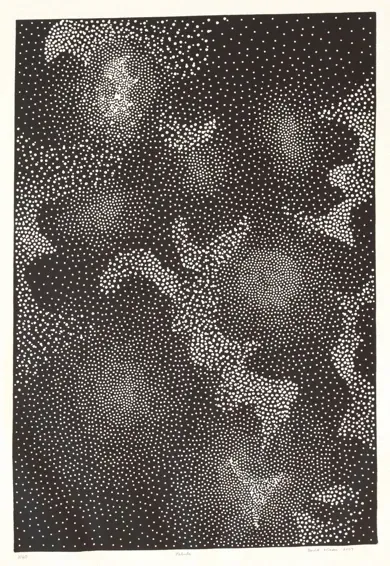
There’s lots of strong play with abstraction here with the line and dot as musical language. Several obviously Aboriginal works are interesting, but not particularly distinctive next to the rich contemporary painting tradition. More interesting elsewhere is a sense of mapping sound, light and emotion. Olga Sankey’s Rivers is a beautiful panel of bands of light, which could be a new form of notation for the levels and qualities of sound, a cityscape or simply the play of moonlight on water. David Nixon’s Nebula looks up to the rich luminous trails in an enormous detailed night sky, while in Suzanne Danaher’s Desk Music looks down to the angular haphazard construction of lines across a rich earthly parchment like surface.
- Selected works from the Print Council of Australia archives, Solander Gallery, until 12 February 2011
By Mark Amery Courtesy of The Dominion Post