Dame Suzie continues to WOW
The World of Wearable Arts Show, one of our local and international success stories, is celebrating 25 years.
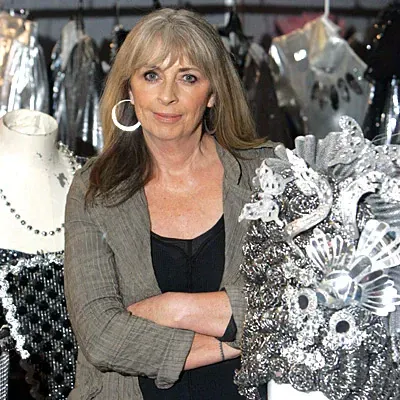
Renee Liang interviews founder and chief creative mastermind, Dame Suzie Moncrieff, who has grown the show from an audience of 200 in a country cottage in Nelson to an international event reaching 50,000 people.
"Twenty five successful years is a major milestone for any business let alone, an arts event. We continue to produce a show that holds onto our uncompromising philosophy of being non-elitist and available to everyone."
How has WOW evolved since it got to Wellington?
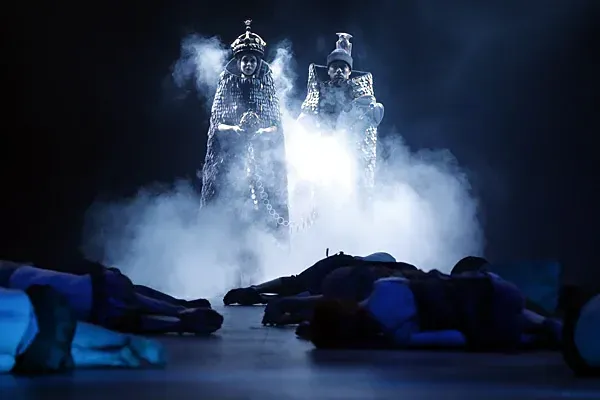
Having the TSB Arena has allowed us to increase the scale and technical complexity of the show. The gantries in the roof have made a huge difference in how we rig props and it has allowed for more people ‘flying’ with aerialist performances. Using aerialists moves the show off the physical stage and into the air increasing the performance space within the show.
The move to Wellington also increased the size of the audiences enjoying our show and along with increased audiences, has come an increased public awareness of who WOW is. Our reputation as an world class design competition has grown internationally and this has resulted in increased international audiences attending the shows.
WOW has also improved its profitability since moving to Wellington. With everyone involved getting paid something that wasn’t possible in 2004.
Basing our show in Wellington has allowed us to attract professional dancers in larger numbers, as well as professional theatrical performers.
You started this show because of your passion for art and for having people experience art, but WOW is now also a commercial enterprise. How do you juggle the two sides?
I don’t believe being a commercially successful art event means that you have to compromise people experiencing art. If anything our careful business management has meant that this event has survived where many other arts events have failed. Twenty five successful years is a major milestone for any business let alone, an arts event. We continue to produce a show that holds onto our uncompromising philosophy of being non-elitist and available to everyone. I think WOW has brought art and theatre into the mainstream with 50,000 people experiencing the magic of this wonderful show each year.
What is the process of judging and selecting the hundreds of entries that come in?
Judging is a three tiered process. The first judging takes place in Nelson in July where a panel of three select the entries that will appear on stage. This year 158 garments were selected from approximately 300.
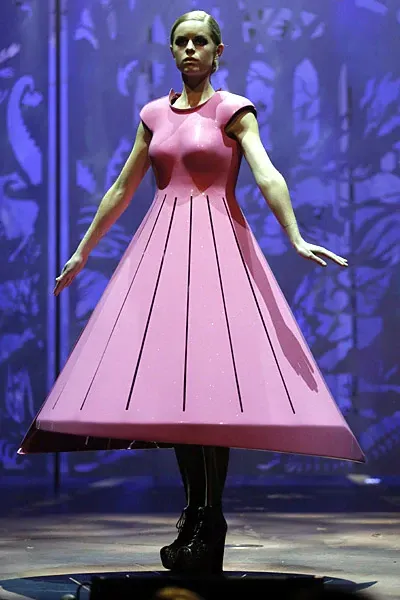
In this first judging, the garment is scrutinised up close. As judges we are looking for the quality of construction and finish; how well the concept has been executed; has the designer answered the design brief set.
The second judging is held in Wellington in September. Where each of the selected garments are individually choreographed and the garments take on a new life in the context of performance and movement.
The third and final judging is held in September in the TSB arena, on stage within the full theatrical context of the show.
Judging is ‘blind’ – the judges are not told who the designers are when they are judging entries. They are given only information on the designers inspiration and materials. An entry will be judged on its own merits rather than the reputation of the designer, it is a very fair process.
We always have two guest judges join me on the judging panel. This year it was renowned sculptor Christine Hellyar and fashion designer Margi Robertson from Nom D. The guest judges bring their own strengths and experience to the judging panel and continue to ensure that there is vitality in our judging process.
How do you design and cast the show?
Two auditions for models are held in Wellington. The first audition is in May and the second happens once the garments have been selected in July. The models are selected for their performance ability. It is important for our models to be able to interpret the garment for the designer. Many of our models have been with us for a number of years and they are wonderful ambassadors for our brand.
The other performers are cast in the show once the show script has been finalised. Dancers and performers are auditioned for specific parts. The process is made easier by a well organised and talented team.
Importantly the WOW show is completely unique each year and once the show is packed away it is never staged again. It means I am already planning the next theatrical script for the following year straight after the show season has finished.
I'm intrigued by this concept of 'art as theatre' - how has this concept developed since you started? Have you taken inspiration from elsewhere?
We create a theatrical setting into which the amazing works of wearable art deserve to be showcased. They are the stars of the show. The idea of presenting WOW as a theatrical show started in 1987 in Nelson in our second show. It is the only show of its kind in the world, we love the challenge each year of being original and inspirational.
WOW has a growing international profile with many overseas artists now entering - how have you managed to grow this profile?
Fifty per cent of our entries now come in from all over the world. We have partnerships with various design and art schools who value the opportunity WOW gives to their students to be innovative, original and unique. Through our shows we also receive world-wide media coverage and there is a growing understanding of our design competition now in international markets because of this.
How much of a career boost does being a WOW finalist bring?
WOW is a great opportunity for designers to showcase their work to an audience of 50,000 who attend the show as well as an international media contingent who report on the show.
One of the greatest resources for the work that Weta Work Shop has been doing over the years has come from the World of Wearable Art. Weta now actively recruit technicians from WOW designers. Many designers have launched their careers in the film industry through this association.
Other designers have been offered employment in fashion houses. Mandi Kingsbury is now a fashion designer and stylist in Dubai and Mary Wing To is a designer for Chanel. These are two examples of Supreme WOW Award Winners who credit their win with igniting their careers.
WOW has opened doors for many designers’ careers and it is something I am very happy to continue to nurture.
Do you still find time for your own projects?
WOW is a full time and all-consuming project for me and I continue to love the challenge of creating a new show each year. I have no time for anything else; WOW is where I channel all my creative expression. No sooner has one show been packed away, I am involved in scripting another, it’s a roller coaster and continues to be an amazing journey.