Cultural Storytellers: Johanna Emeney
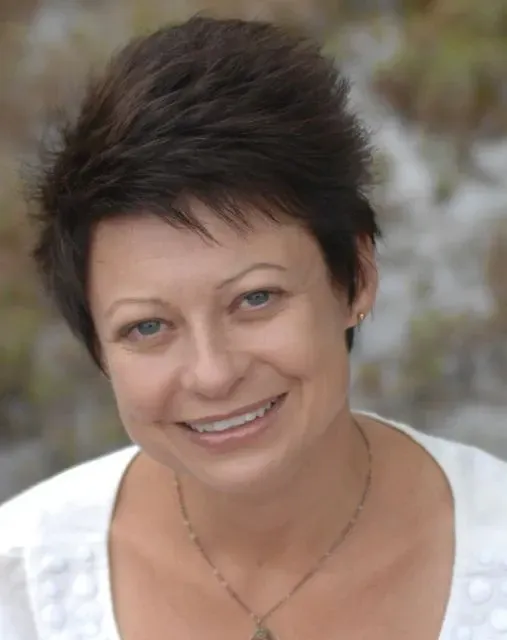
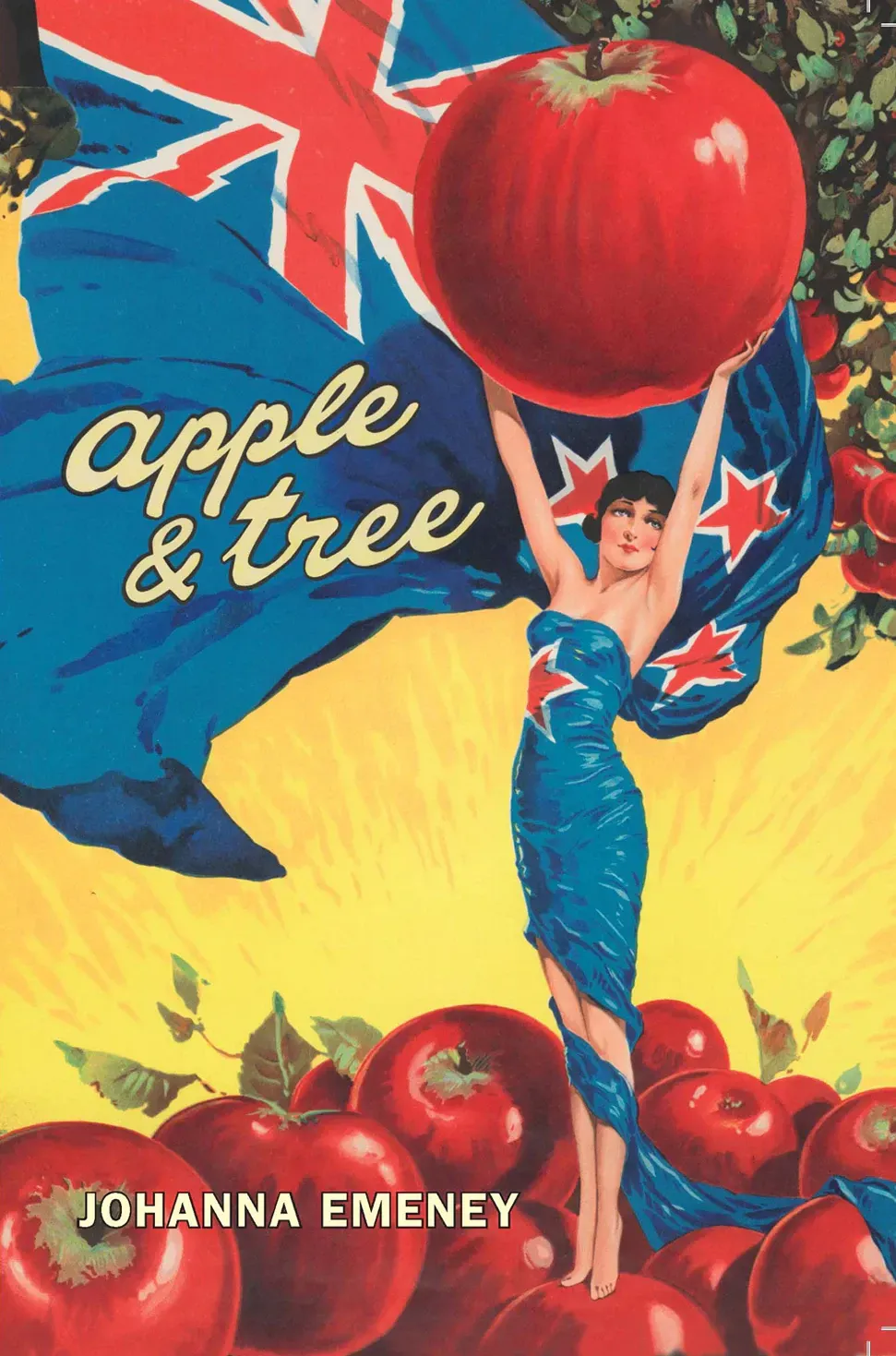
Renee Liang talks about the rich lineup of events on National Poetry Day (July 22) and interviews North Shore poet Johanna Emeney, author of the recently released Apple &Tree.
* * *
Next week is one of the biggest dates on the NZ poetry calendar. That’s right people, the poets are coming out to play on National Poetry Day, Friday 22 July! In honour of this, my next two Cultural Storytellers blogs will be all about poetry, and poets. Hurray!
But first, more about National Poetry Day. It’s actually more like a week of events celebrating everything poetic – from pavement chalking and talks in schools to art gallery readings – and even the annual resurrection of Dead Poets at Poetry Live on July 19. For events in every part of NZ, see the calendar. Not being biased or anything, but Auckland once again has the richest selection of events. Just a few of those listed on The Big Idea:
Are you Feeling Nostalgic? Poetry exhibition
National Poetry Day 2011 Poets Connect
Inaugural Poetry Day Poetry Breakfast
The Great New Zealand Poetry Book Fair
Johanna Emeney is a ‘Shore girl’ – born and bred on Auckland’s North Shore. Although she married a Yorkshireman and spent 14 years living in a small village in the UK, she never lost her love of the ‘wops’ north of the Harbour Bridge, returning a few years ago to teach at Kristin School in Albany. During that time she’s been working on her first poetry collection, Apple & Tree, which has just been published. She recently won third place in the international Hippocrates Prize, for poetry which deals with a medical theme. And – particularly fascinating for me – she’s just put her teaching on hold to start a PhD at Massey University which examines the intersection between medicine and poetry. I tracked her down in Takapuna for coffee and some questions.
How did you become a poet?
I was fortunate enough to have been raised in a house that was open to words, by parents who enjoyed playing with irony and sound. I was told lots of stories by my mum, and my dad would leave me and Mum little notes around the place; little letters or poems that were funny or tender or both. When was at senior school, I was taught by people who valued words, too, and who introduced me to great literature.
I always wrote bits and pieces - always entered the creative writing competitions at school and submitted things to the school magazine. There was a compulsion, always, to write. And when I started finding favourite poets in anthologies, I'd chase them up in individual collections, then emulate their style. My default genre was always poetry - there is something immediate and intimate about a poem that appeals to my nature. It's a friendly sort of form. I started by writing things for people - for birthdays and weddings and other special occasions - because, really, that's where my desire to write comes from: a feeling that I'd like to say something of meaning to people who are special to me.
What qualities does a poet need? Is there such a thing as a ‘poet’s brain’?
A poet needs to be a reader of other poets. Also, any writer needs the ability to take feedback and criticism and put them to constructive use.
I don't know about a poet's brain, as such, but I think that there is an innate 'itch' in any writer; something that needs to be scratched before your brain can go on with its daily business.
Why did you choose to do a creative PhD?
It was a good chance to work on something new, now that I have one book 'finished,' and a great excuse to read more widely, indulging my interest in contemporary New Zealand poetry.
How did you get interested in the intersection of medicine and poetry?
I had read quite a few collections on a medical theme and found the blend of languages (the medical and the vernacular or lyrical) arresting. I also thought that the tensions between distance and closeness that arose in the context of illness and medical encounters was fascinating - narrative perspective, especially.
Does your ‘clinical poetry’ come from personal experience?
Yes, some of it does. When I was in my early twenties, my mother was diagnosed with breast cancer, which then metastasized to the bone. I researched all of the latest treatments and the course of the disease and so on - it was the only 'help' I could be, apart from just being loving and supportive, so I learned a lot about the illness and it worked its way into my poetry.
Has being shortlisted in the Hippocrates Prize brought you any opportunities?
Yes, the biggest and best being the Kim Hill interview, which was a bit of a 'life highlight' for me.
How did you go about getting your first collection published?
I read an article about Dame Christine Cole Catley and her company Cape Catley and approached her with a telephone call. She said her books were closed for poetry at that time, but would I like to send her five poems. I did. She then asked for fifty more, which, without my knowing, she sent to Kevin Ireland for his opinion. Thankfully, his opinion was a positive one, and he helped me hugely with ideas and tips that only a poet as established and brilliant as he is could give. I then got a mentorship under Elizabeth Smither and she helped me to get the manuscript ready for final publication as 'Apple & Tree'.
What qualities would you say are most valuable in a publisher?
Well, my publisher is special. In Chris and her daughter-in-law, Jenny, I found family, not just a publishing company. They are people who believe in me and in my poems and extend love and support my way at every opportunity. I think it is of paramount importance to have a publisher who listens and guides at once. It needs to be a team venture that you all want to succeed.
What’s next for you?
Next is more work towards the PhD - more poetry and more academic writing. The book launch will be in mid-July, and I'm really looking forward to sharing the poems with people. There's also The Divine Muses on National Poetry Day, which should be a nice event.