City Gallery Wellington pays tribute to arts patron
Written by
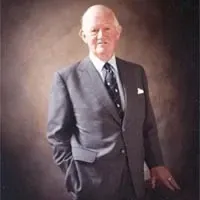
Sir James Fletcher, who in 1962 founded the art collection that bears his name, passed away at his home in Auckland on Wednesday 29 August.
The Fletcher Trust Collection's exhibition Te Huringa/Turning Points: Pakeha Colonisation & Maori Empowerment is currently on at the City Gallery, who have mounted a text panel in its West Gallery to pay tribute to his life-long encouragement of the visual arts.Sir James Fletcher, who in 1962 founded the art collection that bears his name, passed away at his home in Auckland on Wednesday 29 August.
The Fletcher Trust Collection's exhibition Te Huringa/Turning Points: Pakeha Colonisation & Maori Empowerment is currently on at the City Gallery, who have mounted a text panel in its West Gallery to pay tribute to his life-long encouragement of the visual arts."Without Sir James' vision, tolerance and conviction that the best work by New Zealand artists should be available for everyone, this exhibition would not have been possible," says Fletcher Trust Collection curator, Peter Shaw.
Te Huringa/Turning Points challenges audiences to re-think historical depictions of Maori, from well-known colonial artists such as CF Goldie, Horatio Robley and Francis Dillon Bell, by positioning their work alongside contemporary works by leading Maori artists. Ralph Hotere, Colin McCahon, Gordon Walters and Shane Cotton are just some of the great names that feature.
The opportunity for New Zealanders to view these rarely seen historical works, as well as work of contemporary artists, is due to the foresight of Sir James and his close associate George Fraser in establishing and maintaining the Fletcher Trust art collection since 1962. The Fletcher Trust is an independent trust fund established for charitable purposes within New Zealand. The Trust's art collection is just one its activities.
"Sir James was never constrained by the limits of his own taste, encouraging adventurous buying at every opportunity. To his very last days he remained devoted to the art collection he founded in 1962 and would always inquire of me: 'Now you're still buying the work of emerging artists, aren't you?'" recalls Peter Shaw.
Sir James, the second generation son of the Fletcher dynasty, took over as managing director of Fletchers during World War 2. In 1979, after 37 years in charge, he stepped aside as managing director for his son Hugh to take over. Four months later he was knighted. At about this time Fletcher Challenge had replaced NZ Forest Products as the country's largest listed company, a position it held until Telecom listed in the 1990s.
3/9/07