Bitter yet sweet
Written by
Mark Amery on a group of artists at City Gallery Wellington who find the story potential in everyday objects.
* * *
Could there be a thing more absurd yet poignant than a clay copy of one of those small plastic bottles of lemon juice designed to look like a lemon? A copy that, like some pottery class reject wonkily bell-bottoms out at its base as if the paint had dried collapsing into a puddle. It’s the American dream as a miniaturised inflatable pop art sculpture that has sprung a leak.
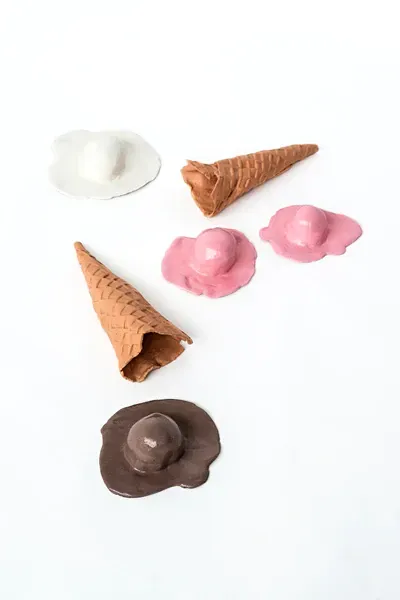
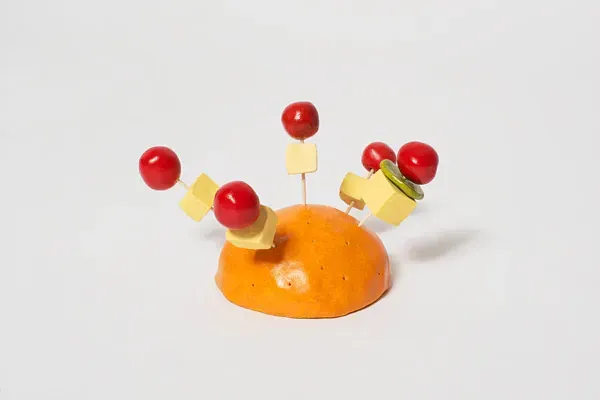
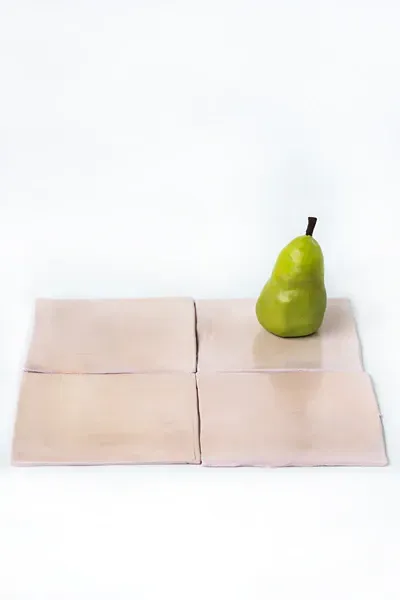
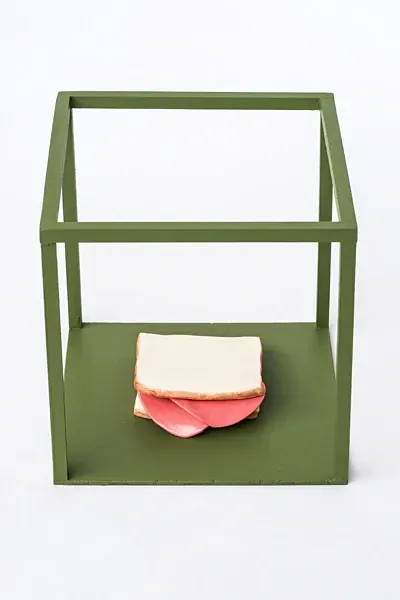
This is one of hundreds of everyday domestic objects artfully, craftily remade by Erica Van Zon. They have been placed on a very low shelf around the perimeter of the Michael Hirschfeld Gallery for her clever, witty installation The Light on the Dock. From orange peelings to false teeth, it’s as if all the items on the benches and tabletops of a suburban home from the 1970s have been swept up, remade slightly wackily and laid out for study by a detective.
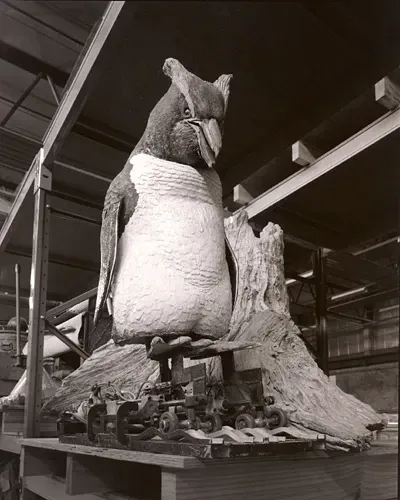
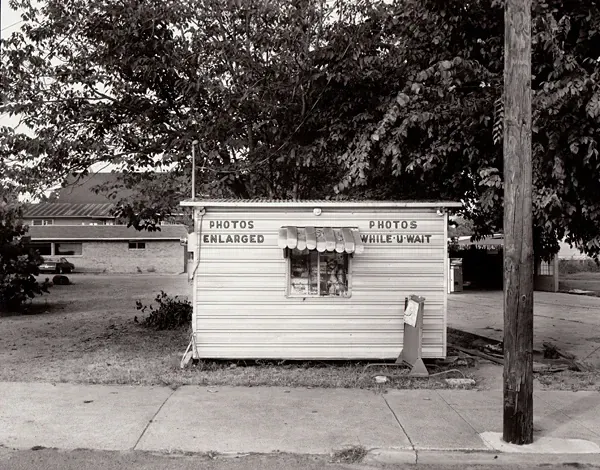
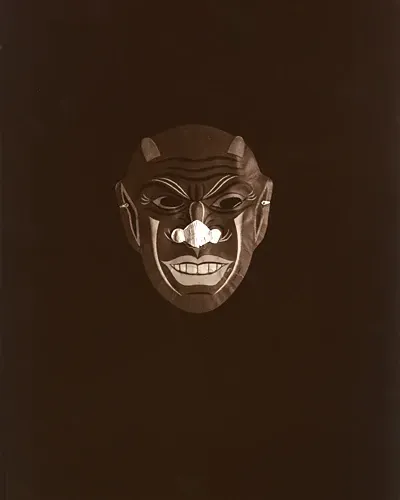
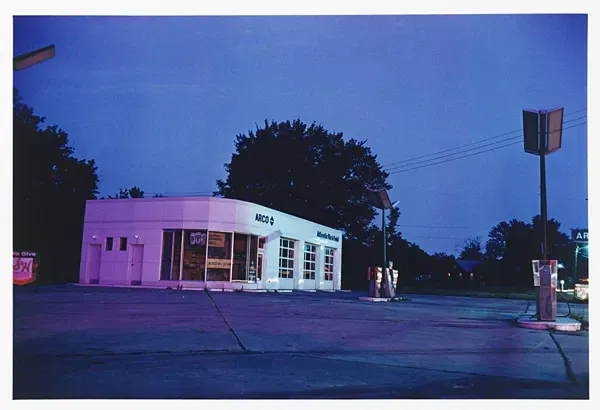
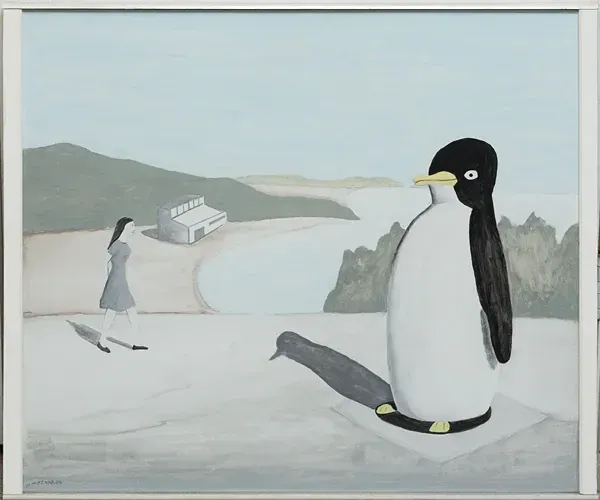
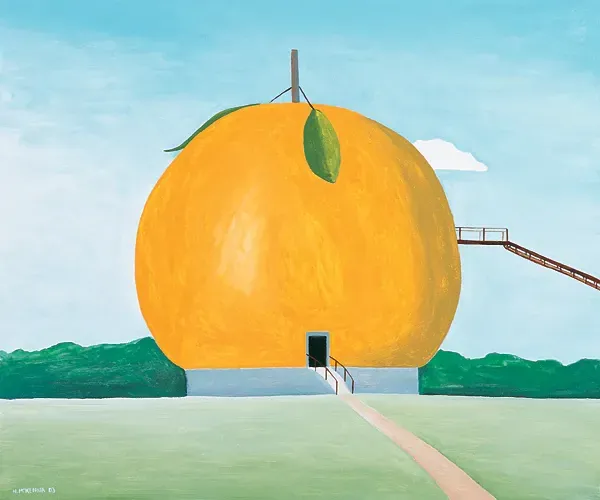
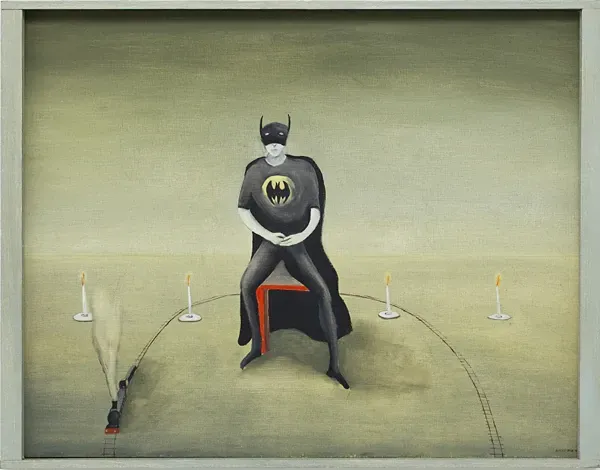
Van Zon’s work is in rich dialogue at City Gallery currently with South of No North from Sydney’s MCA, featuring the paintings of Sydney’s Noel McKenna and the photographs of Laurence Aberhart and much celebrated American William Eggleston. These three maverick artists’ careers began in the 1970s. In their work is the dissolution of the post-war consumer and suburban dream. The work is imbrued with a melancholic haze. The equivalent of Van Zon’s lemon bottle in Eggleston’s glorious colour work is a rooftop sign that proclaims ‘Peaches!’. Caught in exquisite evening golden glow, the shabby state of the roof suggests things are far from peachy.
Like an old blues song from the south and that lemon, bitterness is mixed with a sopping up of the sweetness to be found in the supposedly mundane corners of life. A celebration of the inventiveness of folk isolated from the centre of things
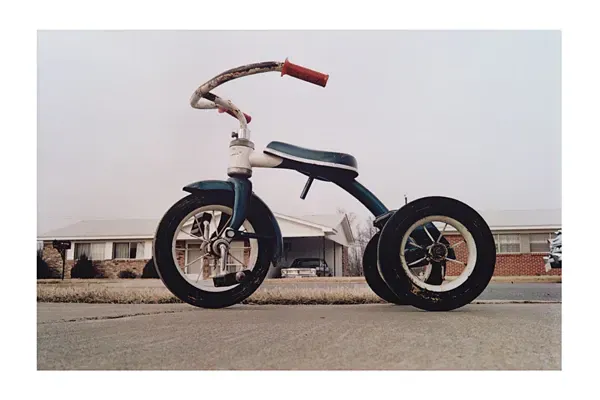
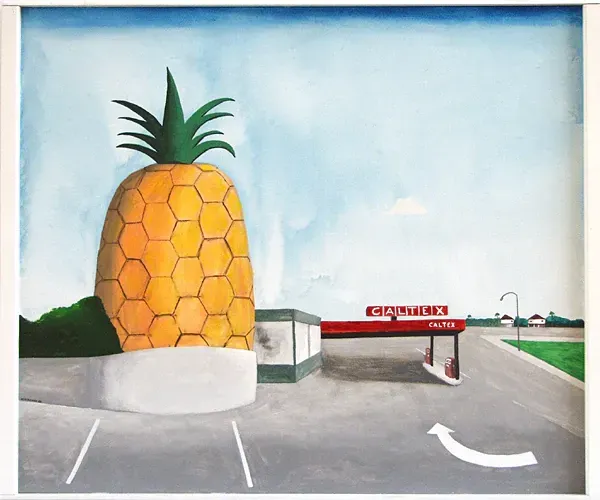
These artists look to the poetic potential of objects as markers of time and spirit. They are odd still life theatrical props for new stories to be created with. While Van Zon gives us slightly enlarged lurid green celery sticks, McKenna pares back with thinly painted planes of domestic colour domestic scenes and giant sculptures in small towns of a giant pineapple, a soft drink bottle and a kids rocking horse. Eggleston makes a child’s tricycle significant by photographing it up close at ground level.
There’s something literary in the way scenes with props and clues are provided. South of No North is the title of a collection of Charles Bukowski short stories. The objects in Van Zon’s installation are drawn from three American novels, two by Joan Didion and one from Truman Capote. I haven’t read any of them, but part of the work’s strength is it doesn’t need you to. It relies instead on Van Zon’s incessant playfulness and an almost forensic attention to the potential readings of material and detail - how things might be remade and how they might in arrangement visually play out.
Ever whimsical and musical in their array and state, her objects tease. They offer suggestions of action that has just happened or is about to happen. A gun in a stocking, a pile of pills, gold-capped false teeth, popcorn, a set of birthday candles, a melting ball of ice cream detached from its waffle cone, melting.
Van Zon mixes narratives with poetic abandon, layering surreally, wittily and joyfully. Like McKenna there’s a talent for subtle, odd plays with colour and design. It’s like a department store cosmetic display in surreal meltdown. A series of pyramid ornaments could be from such displays, but also evoke mystic rituals.
Like ice cream or candyfloss, there is slipperiness to material and form. Mostly, they’re clearly not replicas, deliberately slipping into a wonky rumpled abstraction and knowingly evoking craft and design traditions. They counteract a world of cheaply produced multiples. You end up questioning the make-up of everything. Are those bad renditions of eggs on that beach towel, or simply lumpy ovals of clay? Is the towel itself handmade? On close inspection a shoebox is wooden and handmade. Is that book next to it then actually a book? Everything is fiction.
With equal whimsy but more poetic plainness next door McKenna presents in museum cabinet full of well-loved tools, alongside small paintings of those same tools. Presumably these are the tools of his trade for making the rough wooden frames for his paintings. Elevated to the status of artefacts, it’s how you frame objects McKenna tells us.
Beautifully curated by Glenn Barkley, that exhibition revels in making connections in mood and subjects between the artists, whilst also respecting their individual idiosyncrasies. Their work is fresher for not being presented en masse in solo shows but instead in plentiful, diverse conversation. Rich, the show is full of surprises and exceptional spooky, offbeat work that celebrates the magic and mystery of our relationship to the world.
- South of No North, until 9 March 2014 and The Light on the Dock, until 26 January, City Gallery Wellington
MUST SEE
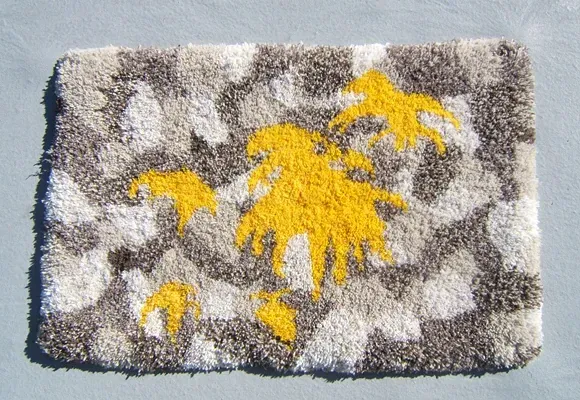
They don’t earn the amount of space given to them but these small works are often mesmeric in their collaged foldings of designs and blooming blotches. Modernist furnishings take on a surreal serpentine life of their own, nature and culture struggling in a tension filled embrace.
- Feint Georgie Hill, City Gallery, until 26 January