Artist moving image in NZ
Written by
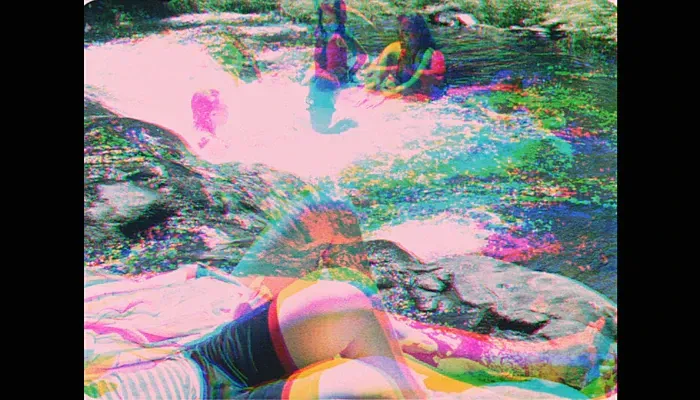
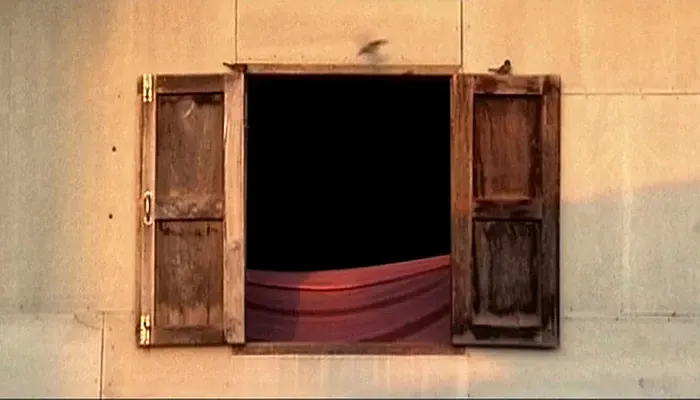
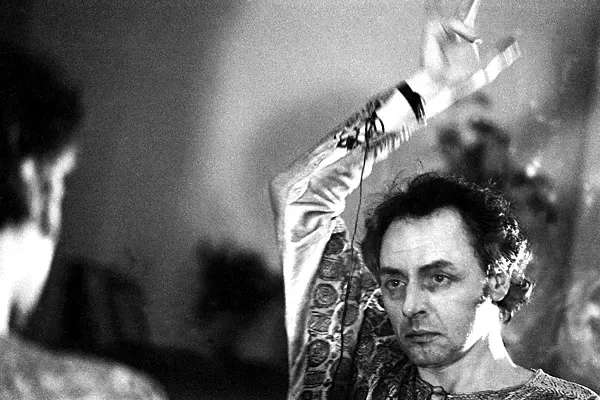
Artist moving image, visual arts using time, has been branching out in NZ for more than 40 years.
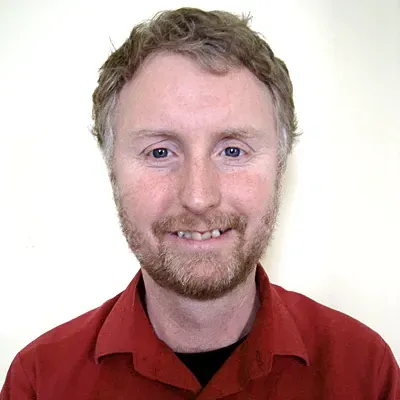
As it becomes more visible in the digital realm, online CIRCUIT curator/director Mark Williams is bringing the conversation back into the physical space for a symposium on future practice.
"We're going to need a few more switched-on curators to work through this wealth of content."
Mark says we'll also need skilled IT and installation teams - treating sound and visual presentation with care ... "simple stuff such as ambient light spilling on the screen or the sound being turned down or off. It can be pretty offensive sometimes."
Mark tells us more about the CIRCUIT website and upcoming symposium Looking Back into the Future on artist moving image practice in New Zealand.
Tell us a bit about your background.
Prior to starting CIRCUIT I spent a decade working at the New Zealand Film Archive in Wellington (1999-2010), where I curated the gallery programme, plus talks, screenings, performances... a great time marked by many wonderful projects. Before that, various uncompleted tertiary pursuits in NZ and the UK, and personal activities in the realm of theatre, music and the arts.
When and why did you start CIRCUIT?
CIRCUIT launched in March 2012. Three years earlier I had interned in London for a distributor of artists films called LUX. Their Director remarked “Until I met you I had no idea this kind of work existed in New Zealand”. So on my return to NZ I decided to set up an agency that would act as a kind of hub for this kind of practice, and hopefully push it to an international audience. Creative New Zealand funded a period of research and development followed by the website launch and now, projects.
What combination of people and resources are involved?
I often talk about CIRCUIT as 'we' – primarily meaning myself and the 70 artists on site. But also, there's the dozen or so writers, the 20 odd contributors we've had on the monthly podcasts. On a day to day level, it's mostly myself with occasional help re: technical matters and accountancy. LUX continue to offer advice from the UK, which is fantastic. With website video submissions I have a revolving team of NZ curators who look at each work. There is a trust board.
What have been some of the rewards and challenges in the first year?
The biggest reward is that the artists love it. The website is a great folio space and a lot of artists have had been offered exhibition opportunities as a result of having their work seen onsite. Challenge-wise, CIRCUIT has recently been asked to curate a lot of content for various festivals and projects, which is great but time-consuming, and problematic if there's no artist fees available, which is often the case.
How do you measure success (for CIRCUIT)?
In terms of the website, numbers is one way. Since the launch CIRCUIT has had about 86,000 page visits, which is pretty pleasing. Another measure is the artists getting shows in galleries. Now that the site is up and thriving, we have events like the upcoming symposium, which brings international speakers to NZ and get them in direct conversation with local artists.
What are your future plans for CIRCUIT?
Curatorial projects for local and international export.
Tell us a bit about the symposium – Looking Back into the Future
As much as anything it's a festival; we begin with a screening of Luke Fowler's feature film All Divided Selves at the Academy Cinema; on Day 2 we shift to Elam School of Fine Arts for a Professional Practice Forum followed by three curated screening programmes featuring work from NZ, Asia and North America. On Day 3 we have a workshop.
The symposium is exploring some big questions with panellists and workshops – so we thought we’d get your response first….
What is artist moving image and what is its history in NZ?
Essentially it's a branch of the visual arts that uses time. We have a long history of experimental film-making that some might say starts with Len Lye's Tusalava (1929) and video art (from the 1970s onwards). Right now the term 'Artists Moving Image' seems a more progressive framing by which to move forward.
What is the current state of artist moving image production in NZ?
In the near future I think we will see a number of makers adopting the skill sets and resources of mainstream film-making; using cast, crew and techniques evolved over the history of cinema. At the same time, the portability of modern technology will make one person guerrilla-style making ever easier. We're going to need a few more switched-on curators to work through this wealth of content.
How do we create a dynamic and sustainable future?
Propositional projects; utilising new technologies to present work in new spaces; sending artists on residencies that support them to make work; sharing institutional resources; critical responses that reach an audience.
How can institutions better support new models of moving image practices?
IT expertise is going to become a necessary part of the installation team. Professionals who understand issues surrounding digital files. Apart from that many large institutions show a lack of care towards sound and visual presentation – simple stuff such as ambient light spilling on the screen or the sound being turned down or off. It can be pretty offensive sometimes.
How do we develop networks and exchanges that generate meaningful dialogue and sustainable engagement?
This is an ongoing question I want to explore at the symposium. In 2012 I showed some NZ work at the Bangkok Experimental Film Festival but it didn't really work – the NZ works felt too reliant on Western-style art theory in a climate driven by politics and military history. One of our keynotes, Dr May Adadol Ingawanij was the festival Director, and is also a lecturer at the University of Westminster. I've invited her to NZ to present a pan-Asian screening programme and talk about how she has nurtured networks around Asia, and how she bridges the Asia-Europe divide in her programming.
Can the moving image be described as having a distinct presence or aura?
I made a comparison recently between seeing Phil Dadson's work Aerial Farm on CIRCUIT and in a recent show at the Adam Art Gallery. On the website it's a nice little reference document. In the gallery it was an immersive sound and vision experience. At the Adam I felt a lot closer to the works subject matter - the Antarctic, nature, elemental forces.
Is there such a thing as a primary encounter with a film and if so what does this say about how work is disseminated and how it accrues both cultural and economic value?
As described above, it's important to acknowledge that the moving image has a material, sculptural and installation-based presence. Distributing DVD's or files creates a reference document without which many people would not even be aware of the artwork. In New Zealand I sense that some dealers and collectors are scared of the poor copy, but they should celebrate it; it raises awareness of the real work and increases its material value.
What’s your big idea for 2014?
Anne Salmond for PM!
* CIRCUIT is a content partner with The Big Idea - bringing us monthly art podcasts via CIRCUIT CAST.