Art at the Movies: Tracey Moffatt and the status of film in galleries
Written by
By Mark Amery Courtesy of The Dominion Post 4/12/07
All over the country galleries continue to struggle to do justice to film and video work. Ten years ago you got the distinct impression that this work was still considered by these institutions as a fad that would past. As a consequence, in the intervening years as moving image has started to assert its dominance it has often suffered from galleries having not questioned their exhibition practices enough to suit its needs.
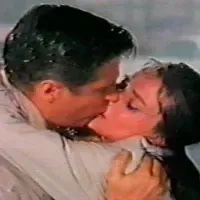
Image: Love. A film collaboration between Tracey Moffatt and Gary Hillberg (2003).Clearly, much moving image work is not well served by being plonked on a television monitor on a plinth in a busy exhibition. The needs of a time-based work are quite different depending on its nature. Some will benefit from a large wall screening. Some require their own dark room and good seating (why do art lovers miss out on cushy seats?). Other work is even better suited to the intimacy and interaction that the repeat, stop and start screening a DVD player per viewer provides (why can't galleries start operating more like public libraries?).
Congratulations then to City Gallery for increasingly getting it right. Firstly, gone now are the dreadful decorative banks of screens in the entranceway vitrines, where artists had to suffer the injustice of their work mirrored on six screens whether they liked it or not. Now visitors at any time of the day and night can visit these screens and see works in the gallery's continuous exhibition programme without seeing triple.
Upstairs the gallery is showing two Tracey Moffatt films created in collaboration with Gary Hillberg, the 20-minute Love from 2003, and the 10-minute Doomed from 2006. In a glorious part-celebration part-criticism of Hollywood gratuitousness, these films punchily orchestrate a montage of scenes from classic movies around particular themes; not unlike in pace and structure the historical montages you get at the Oscars.
The major survey exhibition of Moffatt's work at City Gallery in 2002 showed two earlier examples of these collaborations, Artist (scenes depicting artists engaged in the creative process) and Lip (black women in the role of maids). By being put on small monitors however in the main gallery these works ended up looking like lesser side projects to Moffatt's large photographic series.
Love and Doomed are treated completely differently. Screened one at a time on a large screen in a darkened gallery with plenty of seating, they deliver dramatically the kind of big picture impact that the films that they are from were made for.
Inspired by the television and movie culture of her suburban Australian upbringing, Moffatt's shtick has always been the elevation of popular culture into a high art context.
This is more easily accepted by the visual arts with the big glossy photographic works. With their stilling into icons of Hollywood melodrama and other genre, popular film references and theatrical stagings, they look expensive. Screening these films up large in the dark and insisting we sit through them asserts the power of the silver screen next to the illegal montages of the Youtube generation. These films are tremendous, clever fun, but I'm not sure in their scoring and rhythmic sampling of actions and expressions they've got anything as strong to say as the classic original films themselves, or the best of Moffatt's photographic work.
Love is the strongest of the two, with a more interesting narrative shape and a richer exploration of its theme - the complexity and brutality of sexual politics in relationships, as seen through film's great staged moments.
Both films unashamedly milk Hollywood's archive but Love actually does something a little interesting with it. It's structured with the cheeky rollercoaster sense of vaudeville to be found in the stops and starts of stories on the second side of The Beatles Abbey Road. The last shot is Travolta and Newton John in Grease trading "Is this the end?" "It's only the beginning", before closing with Abbey Road's supposed final chord before its surprise end track.
Opening with a montage of great screen smooches, we then hear the sound of a needle being ripped from a Shirley Bassey record before the delivery of the line from the Joan Crawford classic Mildred Pierce, "you can go back to making your pies now Mildred, we're through". What follows is a call and response between choruses of men and women, but from a female perspective: while the men reject and dismiss, the women get fed up and take action. We're offered the catharsis of watching women slap and throw glasses of water over and over and over again. Men stage a thuggish less dignified comeback before Beth Heke finally announces "I'm not going to take this anymore, you hear me Jake Heke", and the guns come out for a cathartic shoot out delivered with beautifully orchestrated tension.
With its litany of explosions, car crashes, earthquakes and other sensationally staged disasters Doomed feels more like a comment on the bankruptcy of American culture post 9/11 than a celebration. Reminiscent of old local art rock band Wendyhouse's endlessly repeated refrain "we're all going to die, a horrible f**king death", as the Guggenheim crumbles and the Golden Gate Bridge collapses, the world, like this film, goes nowhere.
Doomed and Love, Tracey Moffatt, City Gallery Wellington, until 10 February 2008